

The greatest off-roader of all time is the one still working where there is no tow truck — which is why the Toyota Land Cruiser and the Willys MB, ancestor of every Jeep Wrangler, top almost every honest list. Change the measure and the answer changes with it: capability per dollar belongs to the Lada Niva, capability per kilogram to the Suzuki Jimny, and influence on the cars in your street to the Jeep Cherokee XJ. Below are ten machines without which the genre would look different — what each one invented, what it is like to live with, and the single fault that decides whether the example in front of you is a legend or a money pit.
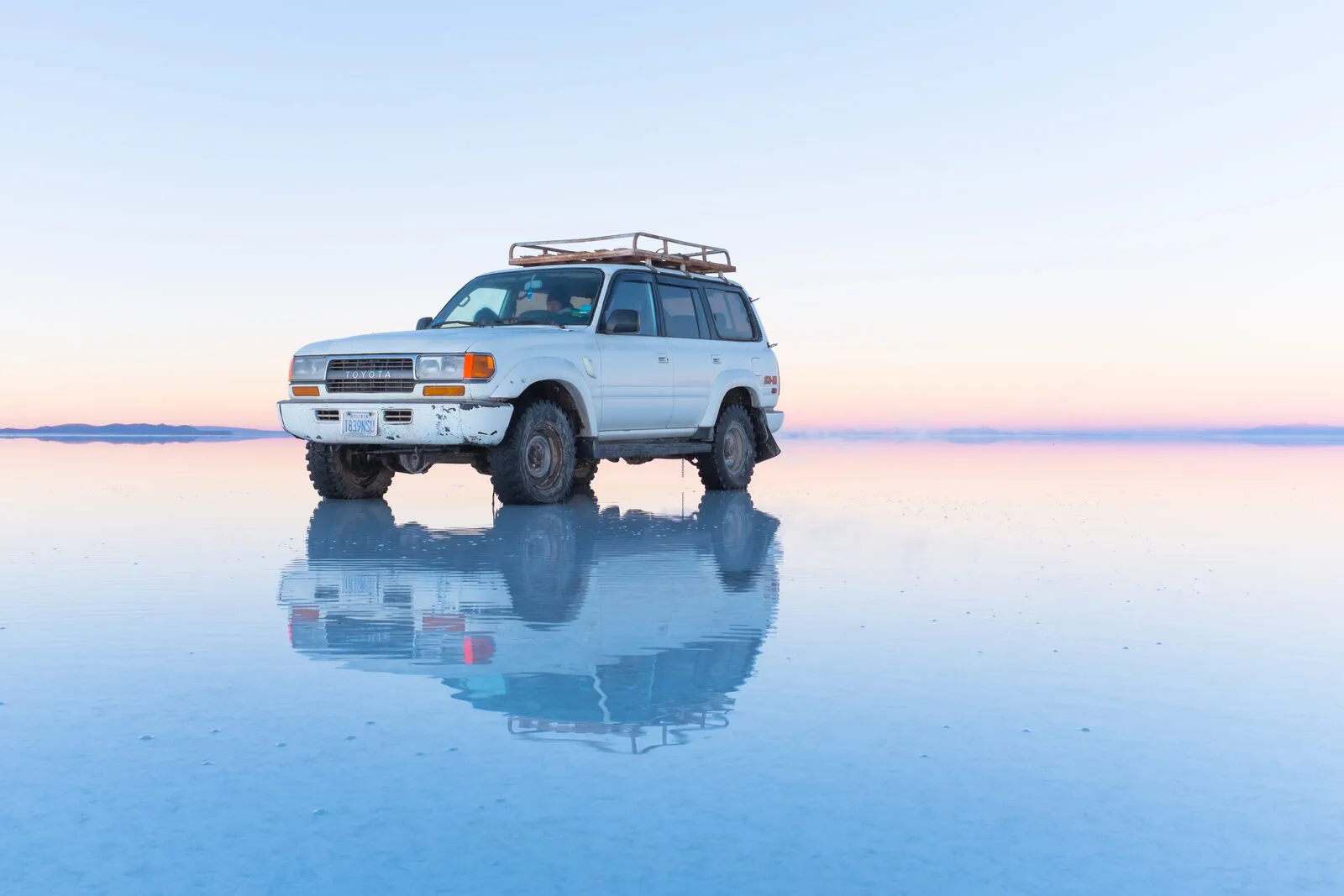

What makes an off-roader great isn’t sales figures or ground clearance — it’s surviving the test of time: decades on the production line, millions of miles on roads that appear on no map, and a reputation earned in armies, expeditions and villages where a tow truck will never come. We’ve gathered ten machines without which the genre itself would look different — and for each we’ve honestly laid out not just its achievements but its pros, its cons and what to watch if you buy one of these legends today. Age forgives many things, but never ignorance of the weak points.
What makes an off-roader great#
Our criteria are boring, and therefore dependable. First, durability of design: the great off-roaders stay in production for 30–70 years with minimal changes, because there’s nothing to change. Second, real capability, proven not by advertising but by wars, the Dakar, Antarctica and farm work. Third, fixability: a true legend can be repaired in a field with a 13-millimeter wrench. And fourth, influence on the genre: every machine on this list invented something — a formula, a layout, or an entire class of vehicle. The order below isn’t a “who beats whom off-road” ranking, but ten chapters of one story.
The ten, at a glance#
- Willys MB / Jeep Wrangler — the founder of the genre
- Toyota Land Cruiser — the benchmark of reliability
- Land Rover Defender — the farmer’s legend
- Mercedes-Benz G-Class — the military aristocrat
- Range Rover Classic — the inventor of the luxury SUV
- Jeep Cherokee XJ — the ancestor of the modern SUV
- Nissan Patrol — the rival that never settled for second
- Mitsubishi Pajero — the king of the Dakar
- Lada Niva — the crossover formula before crossovers
- Suzuki Jimny — the little giant
Comparison: years, layout and what each one invented#
| Model | Years | Layout | What it invented or proved | The fault that decides a purchase |
|---|---|---|---|---|
| Willys MB → Jeep Wrangler | 1941–1945 / 1986– | Ladder frame, solid axles, low range | The genre itself — and an unbroken line from the war to the showroom | Death wobble on lifted trucks; frame corrosion on the JK |
| Toyota Land Cruiser | 1951– | Frame; solid axles on the 70 and 80 Series | That an off-roader can be a reliability benchmark, not a compromise | Rust in arches, sills and frame rails; skipped kingpin service |
| Land Rover Defender | 1948–2016 | Ladder frame, aluminium body | The working 4×4 as a 68-year constant | The steel frame and bulkhead rot while the aluminium shines |
| Mercedes-Benz G-Class | 1979– | Frame, three locking differentials | That a military 4×4 can go luxury without losing its lockers | Locker actuators that no longer engage; rust on pre-2000s trucks |
| Range Rover Classic | 1970–1996 | Frame, coil springs, permanent 4WD | The luxury SUV — an entire industry | Steel around the aluminium; an overheated V8 with slipped liners |
| Jeep Cherokee XJ | 1984–2001 | Unibody, solid axles, low range | The modern SUV layout, copied by almost everyone | Rotten floor rails and suspension mounts; the “0331” cylinder head |
| Nissan Patrol Y60 / Y61 | 1987–2013 | Frame, solid axles, cast-iron TD42 diesel | That the Land Cruiser could be matched, not just imitated | The ZD30 diesel burning pistons; rust above the rear axle |
| Mitsubishi Pajero | 1982–2021 | Frame (gens 1–2), unibody later; Super Select 4WD | Full-time 4WD on tarmac plus a locked low range in the mud | DI-D injectors and a clogged EGR valve; frame rust |
| Lada Niva | 1977– | Unibody, independent front, permanent 4WD, low range | The crossover formula, twenty years before crossovers | Driveline vibration; rust in sills, arches and floor |
| Suzuki Jimny | 1970– | Ladder frame, two solid axles, low range | That size and weight, not power, open the hardest lines | Worn kingpin bearings; frame rust on cars from salted roads |
Production years are for the models discussed below — several nameplates continue in forms that have little to do with the legend (the Cherokee, for instance, left the XJ layout behind in 2001).
1. Willys MB / Jeep Wrangler — the founder of the genre#
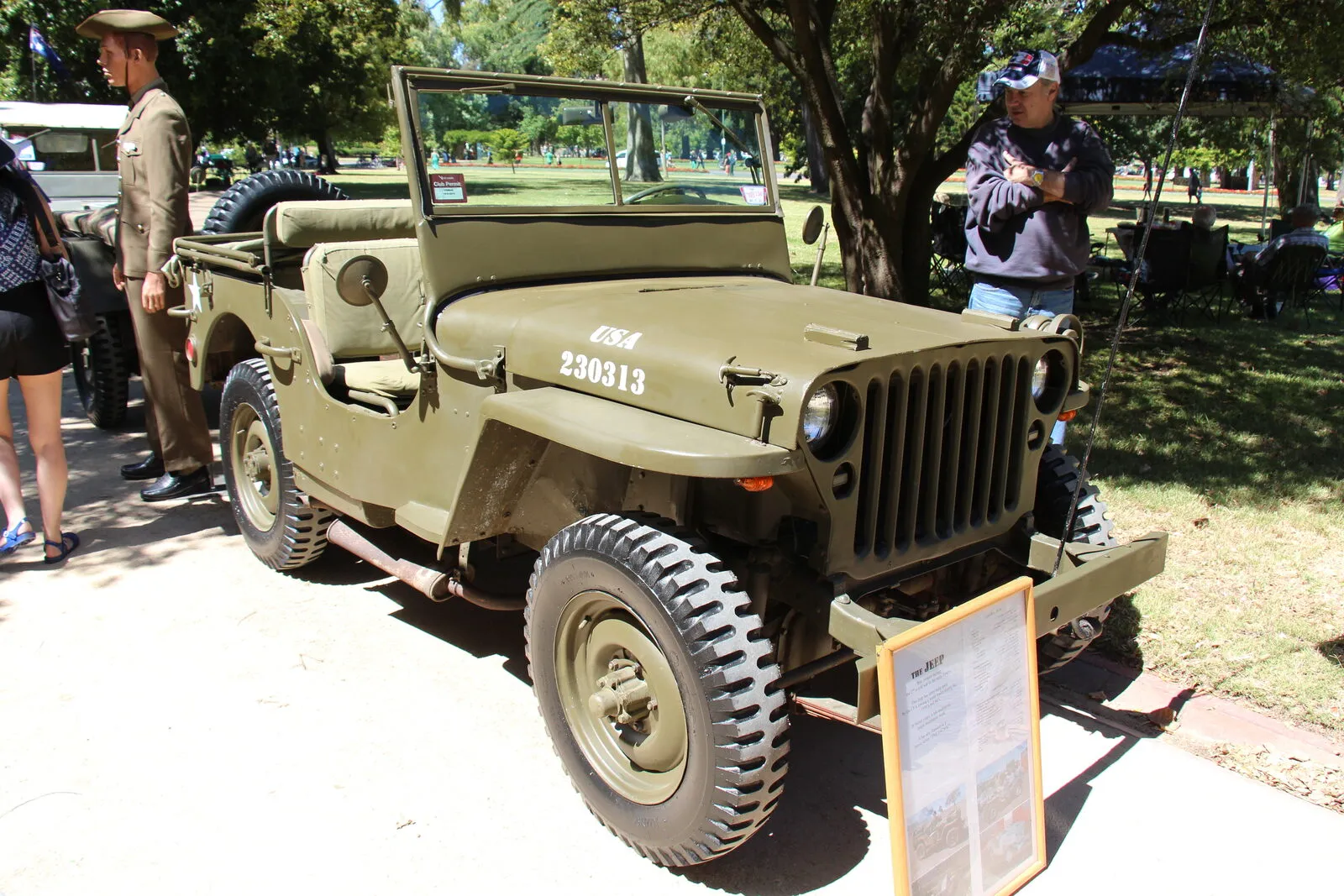
With the 1941 Willys MB the genre literally began: some 640,000 MB and Ford-built GPW jeeps went to war, the word “jeep” turned into a common noun, and a formula — light body, solid axles, low range — that the Wrangler carries to this day. No other vehicle traces an unbroken bloodline from the military original to today’s showroom.
.jpg)
Pros: the classic architecture lives on — axles, frame, removable doors and roof; the world’s largest aftermarket and parts industry; best-in-class resale value; the Rubicon’s off-road capability is factory-built, no modifications needed.
Cons: on pavement everything is honestly bad — noise, fuel consumption, steering that demands constant participation; prices for both new and used examples stay indecently high; build quality has historically been inconsistent.
What to watch: on lifted examples — the “death wobble,” a violent front-end shimmy at speed from worn steering dampers and bushings; on the JK — frame corrosion and the 3.6 Pentastar’s rocker arms (a ticking noise is a bargaining chip); documentation for modifications matters more than the list of them: a badly done lift kills both handling and driveshafts.
2. Toyota Land Cruiser — the benchmark of reliability#
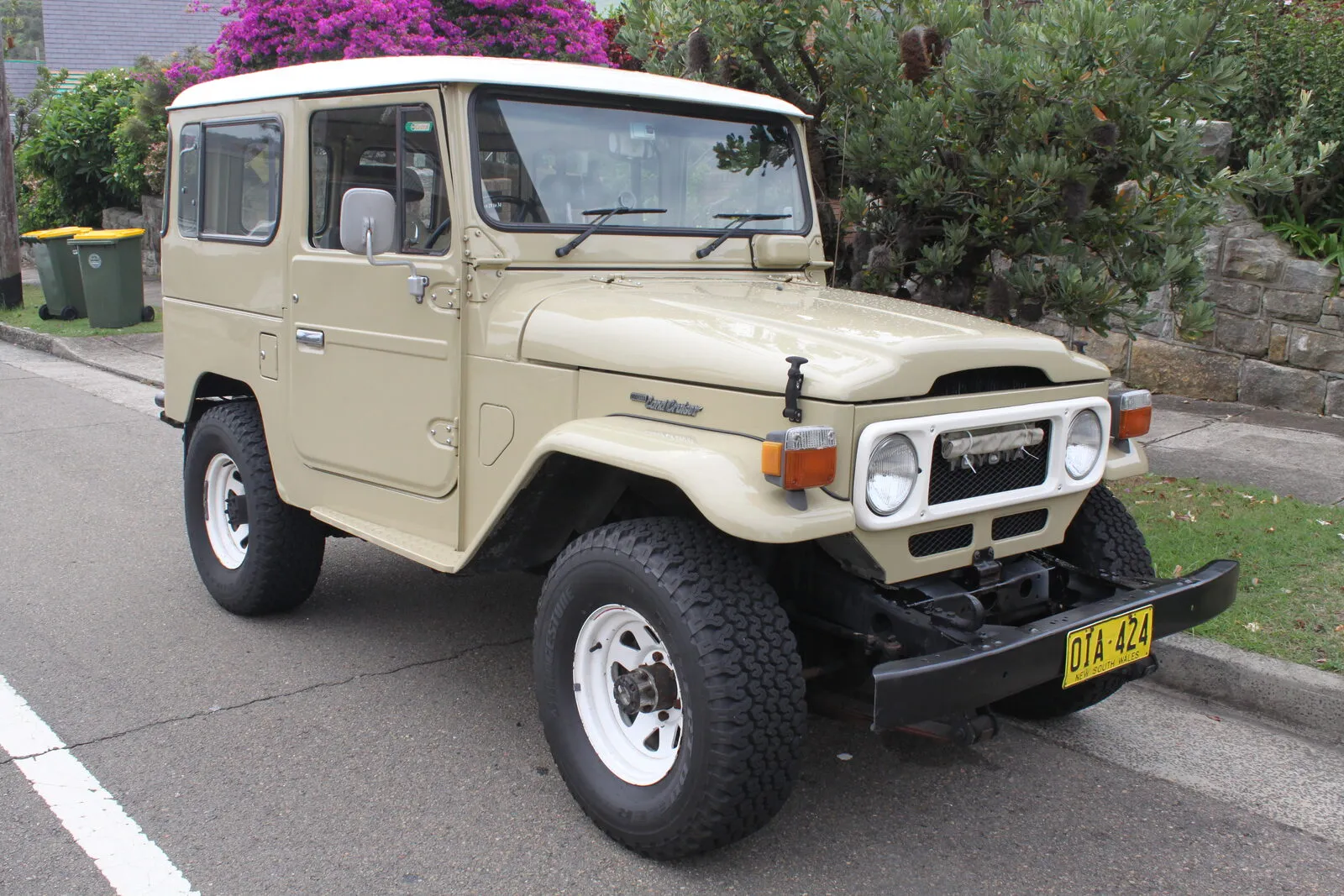
If the genre had to choose one ambassador, it would be the Land Cruiser: since 1951 it has been the machine the UN, field geologists and half of Africa and Australia depend on. The FJ40 became an icon, the 70 Series has been in production since 1984 and still is, and the 80 Series — coil-sprung solid axles and factory lockers — is still considered the peak of the expedition breed.
_hardtop_(26042130985).jpg)
Pros: documented million-kilometer runs on the 1HZ diesels; parts can be found anywhere on the planet; overloading and heat are engineered in with margin to spare; resale liquidity closer to real estate than to a car.
Cons: prices for healthy 70s and 80s left common sense behind long ago; the honest consumption of a heavy body-on-frame is 16–20 mpg at best; the comfort of the older series is military-grade, without irony.
What to watch: rust — rear arches, sills, frame rails: a rotten Cruiser is not a rarity but the norm in wet regions; kingpin bearings and swivel-hub seals are a scheduled but often skipped service; on the 1HD-T turbodiesel — the injection pump’s condition and the oil-change history, because oil here is cheaper than a rebuild.
3. Land Rover Defender — the farmer’s legend#
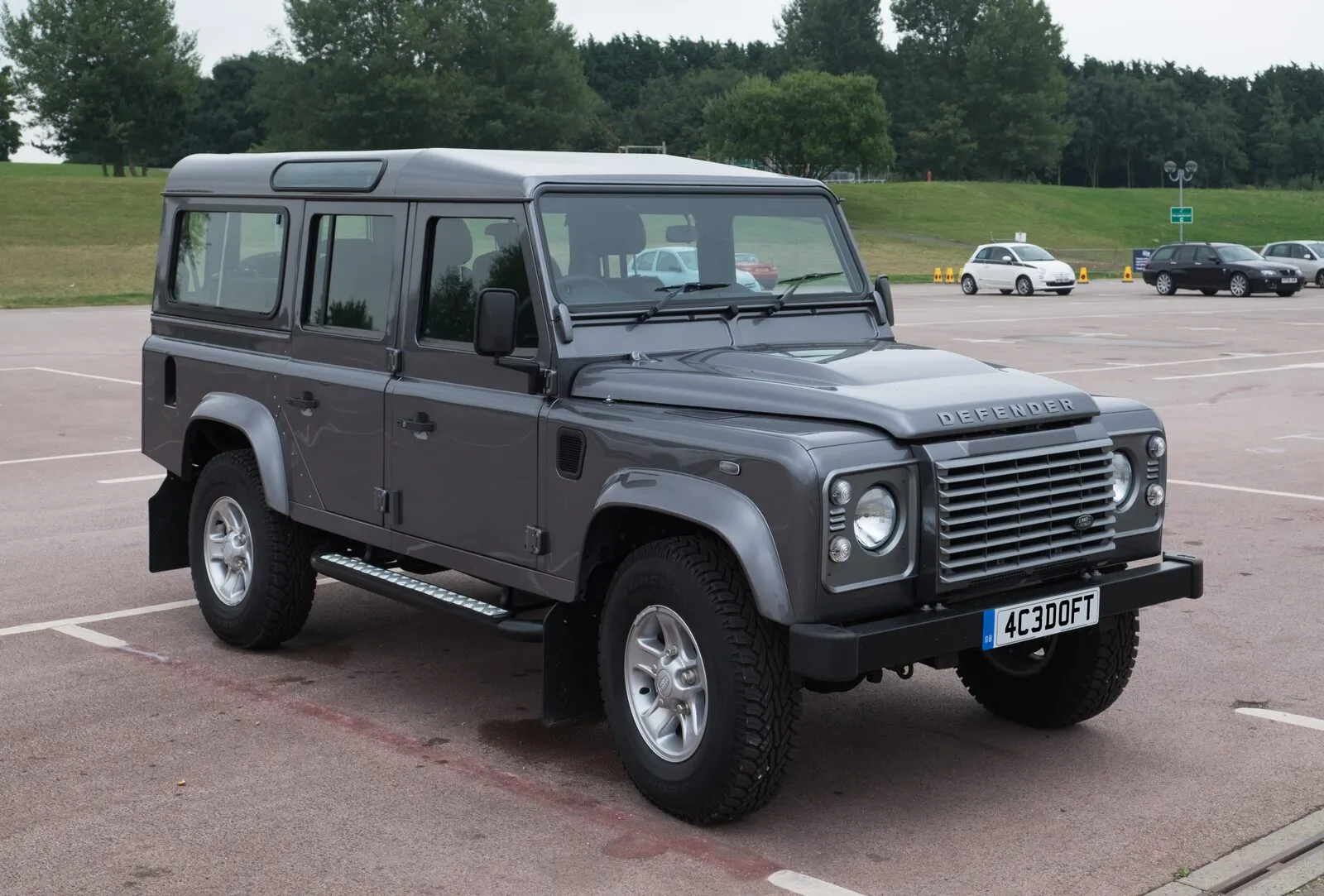
The 1948 Series I was conceived as a tractor with license plates — an aluminum body made from postwar aviation stock, a ladder frame and total indifference to comfort. Across 68 years of production (until 2016) the formula barely changed, and that is its greatness: the Defender hauled farmers, the Camel Trophy and the Queen with the same equanimity.

Pros: aluminum panels don’t rot; the whole structure comes apart and goes back together with hand tools — a perfect restoration base; capability through geometry, with almost no overhangs; cult status and rising collector value.
Cons: ergonomics designed for a person without shoulders or elbows; noise, leaks and drafts are part of the character, not defects; mechanical reliability is a lottery, especially on the later electronic diesels.
What to watch: the steel frame and bulkhead rot while the aluminum shines — inspect from below, not above; Lucas electrics on old Series trucks and Td5/TDCi sensors on late ones are the main source of sudden stops; galvanic corrosion wherever aluminum meets steel eats fasteners unnoticed.
4. Mercedes-Benz G-Class — the military aristocrat#
The 1979 Geländewagen was born of a military contract and became the only vehicle that carries paratroopers, the Pope and billionaires without irony — keeping its frame, its three locking differentials and its silhouette into a fifth decade. Hand assembly in Graz isn’t marketing: the G-Class really is built, not stamped out.
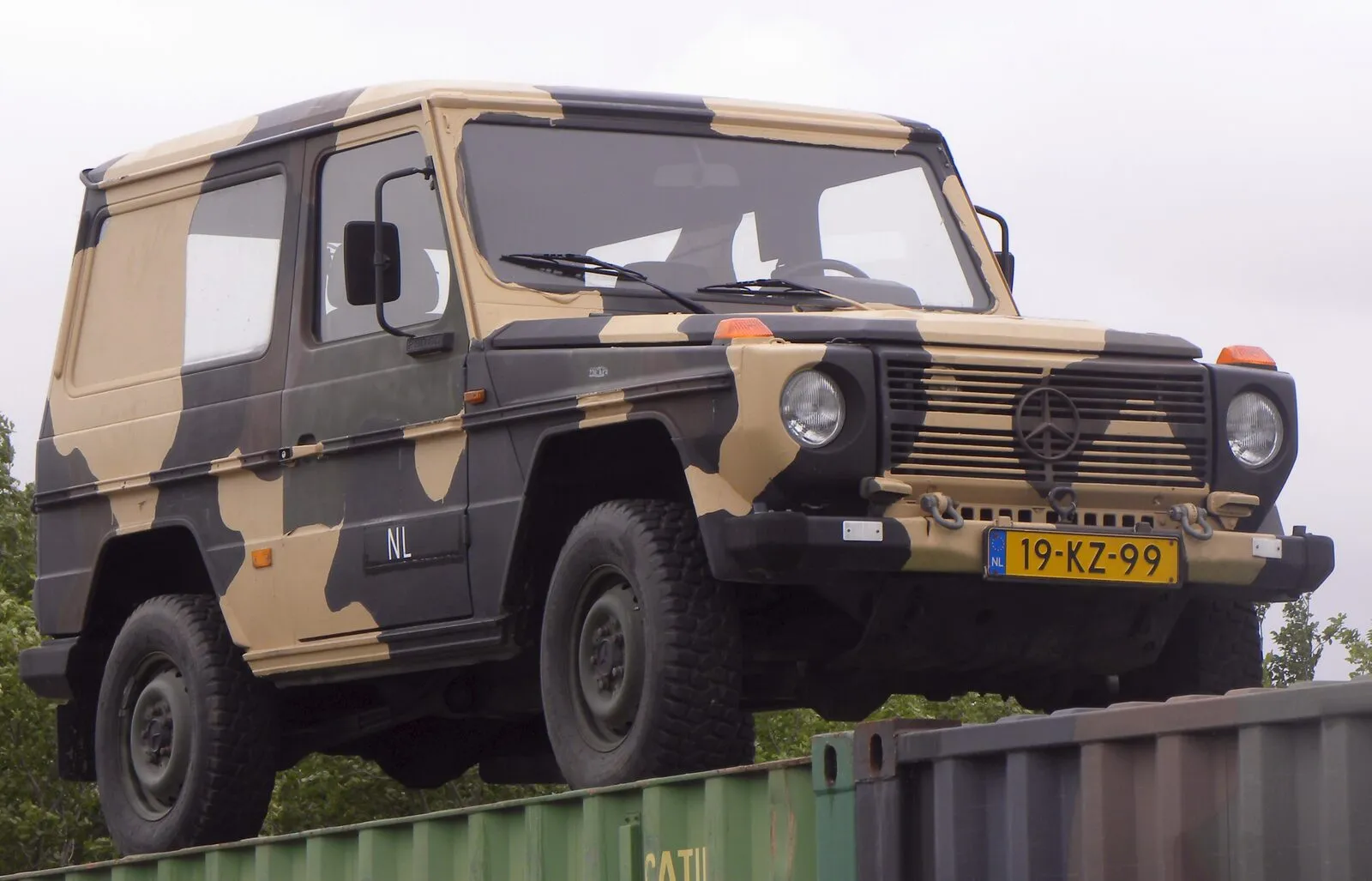

Pros: three driver-commanded diff locks — still rare even among body-on-frame trucks; drivetrain longevity engineered to military standards; a timeless design that refuses to age; ex-military W460s are a rare chance to buy the legend without the gloss markup.
Cons: the cost — of purchase and of ownership — is Mercedes-grade in the worst sense; the aerodynamics of a brick, with highway consumption and noise to match; before the 2018 redesign, on-road handling demanded indulgence.
What to watch: rust — yes, on a Mercedes: door hinges, the windshield frame, the tailgate and the frame on pre-mid-2000s trucks; the vacuum locker actuators on W460/W461 and the locker electrics on W463 — verify all three engage before buying; valve stem seals on the gasoline V8s — moderate oil consumption is considered normal, a growing appetite is not.
5. Range Rover Classic — the inventor of the luxury SUV#
In 1970 the Range Rover did what the genre couldn’t: it combined genuine capability with the road manners of a passenger car — permanent four-wheel drive, coil springs instead of leaf springs, disc brakes all around. It won the first Paris–Dakar in 1979, was exhibited at the Louvre, and spawned the entire premium-SUV industry that still sells its silhouette.
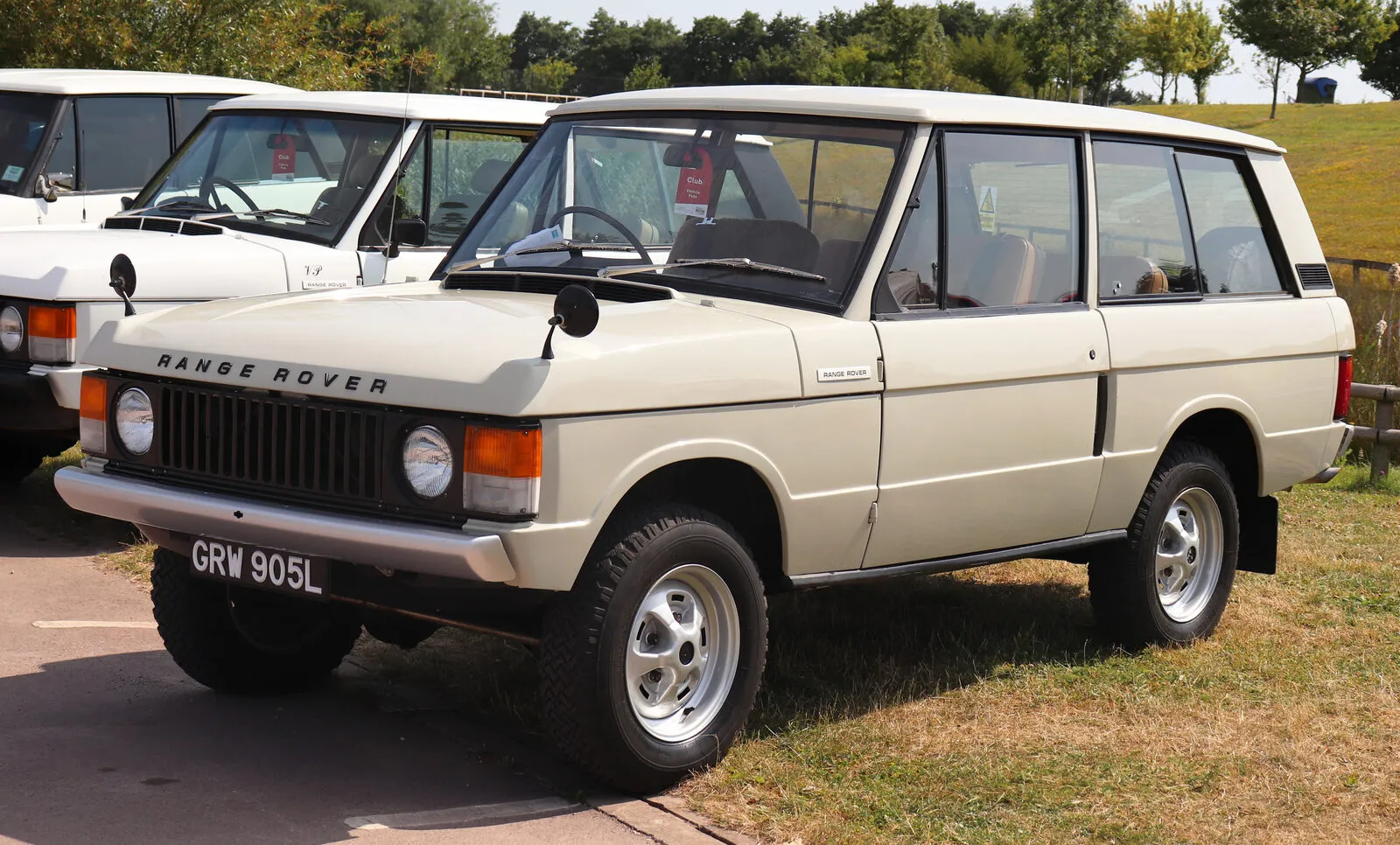

Pros: historical significance of the first rank — a collector’s asset, not just a car; suspension travel and ride quality that passenger sedans envied; the aluminum V8 pulls from idle; a simple structure that rewards restoration.
Cons: electrical and build reliability are British in every sense of the joke; the V8 drinks 12–15 mpg without even trying to hurry; unrestored survivors are nearly gone, and good ones fetch collector money.
What to watch: the steel around the aluminum panels — sills, rear frame section, body mounts — rots first; the aluminum V8 fears overheating and old coolant, and slipped cylinder liners are only cured expensively; listen for play in the transfer case and driveshafts on the test drive — permanent four-wheel drive doesn’t forgive everything.
6. Jeep Cherokee XJ — the ancestor of the modern SUV#
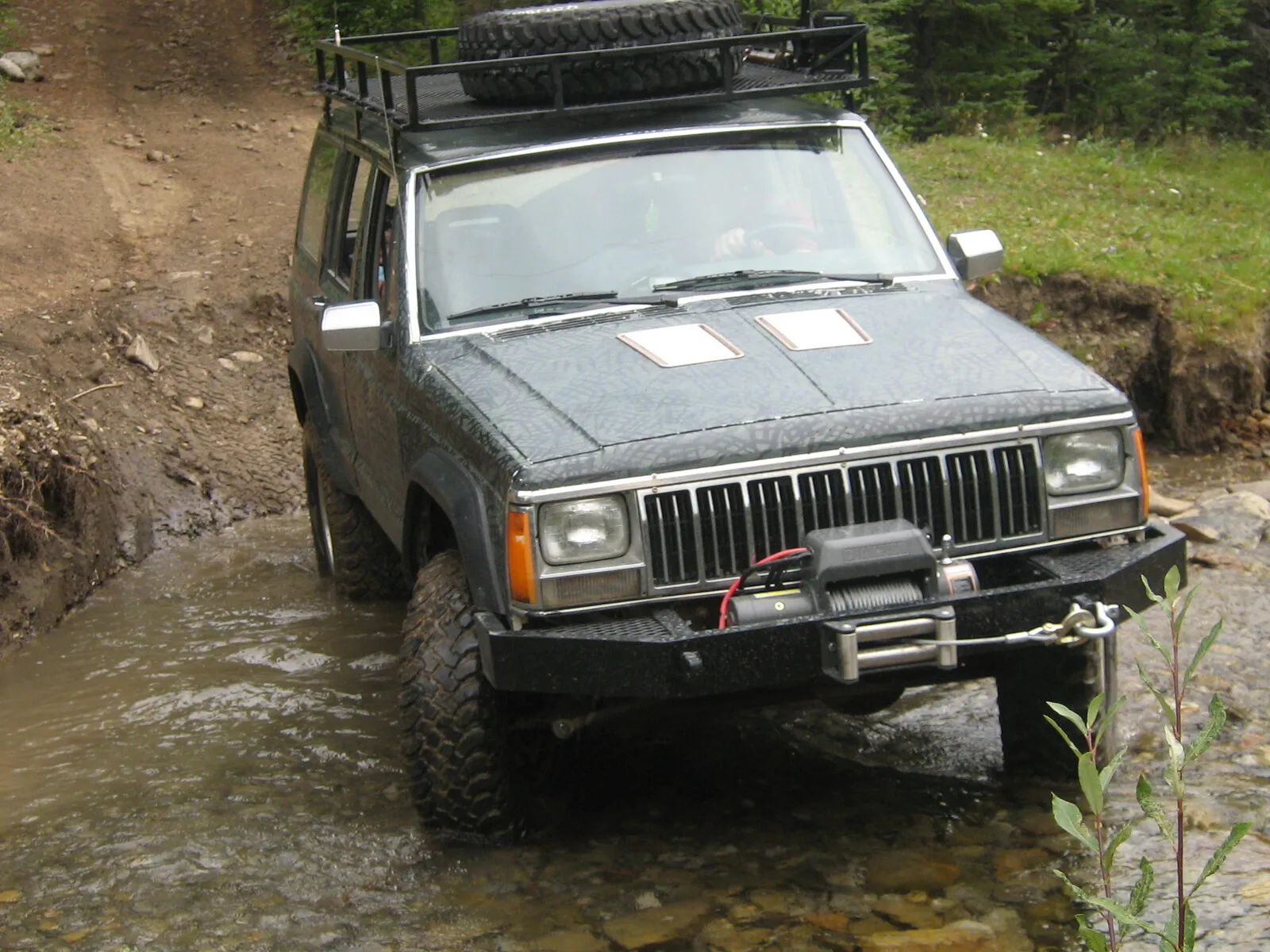
The 1984 XJ is the most underrated entry on this list: the first mass-market off-roader with a unibody, setting the formula almost every SUV on the planet is built to today. Yet it stayed genuine itself — solid axles, low range and the 4.0 inline-six that earned a reputation as one of America’s most indestructible gasoline engines.
.jpg)
Pros: the 4.0 runs past 300,000 miles on minimal care; compact, light and therefore surprisingly quick off-road; cheap parts and an enormous community; the last sane entry price into the classic-off-roader club.
Cons: interior plastics and assembly from an era that didn’t think about either; brakes and handling demand allowances for the design’s age; a unibody rots as one piece — restoration is harder than on a frame.
What to watch: rust in the floor rails and suspension mounting points — a rotten XJ can’t be saved cheaply; on 2000–2001 engines — the “0331” casting cylinder head, prone to cracking: check the casting number and the history; the heater core and blend valve — a classically cheap part hiding behind an expensive dashboard-out job.
7. Nissan Patrol — the rival that never settled for second#
Everything said about the Land Cruiser is said about the Patrol in Australia and the Middle East — and that argument remains unsettled. The Y60 and Y61, with solid axles and the cast-iron TD42 diesel, were built with a margin that looks extravagant today: the drivetrain was engineered for permanent overload in the desert.
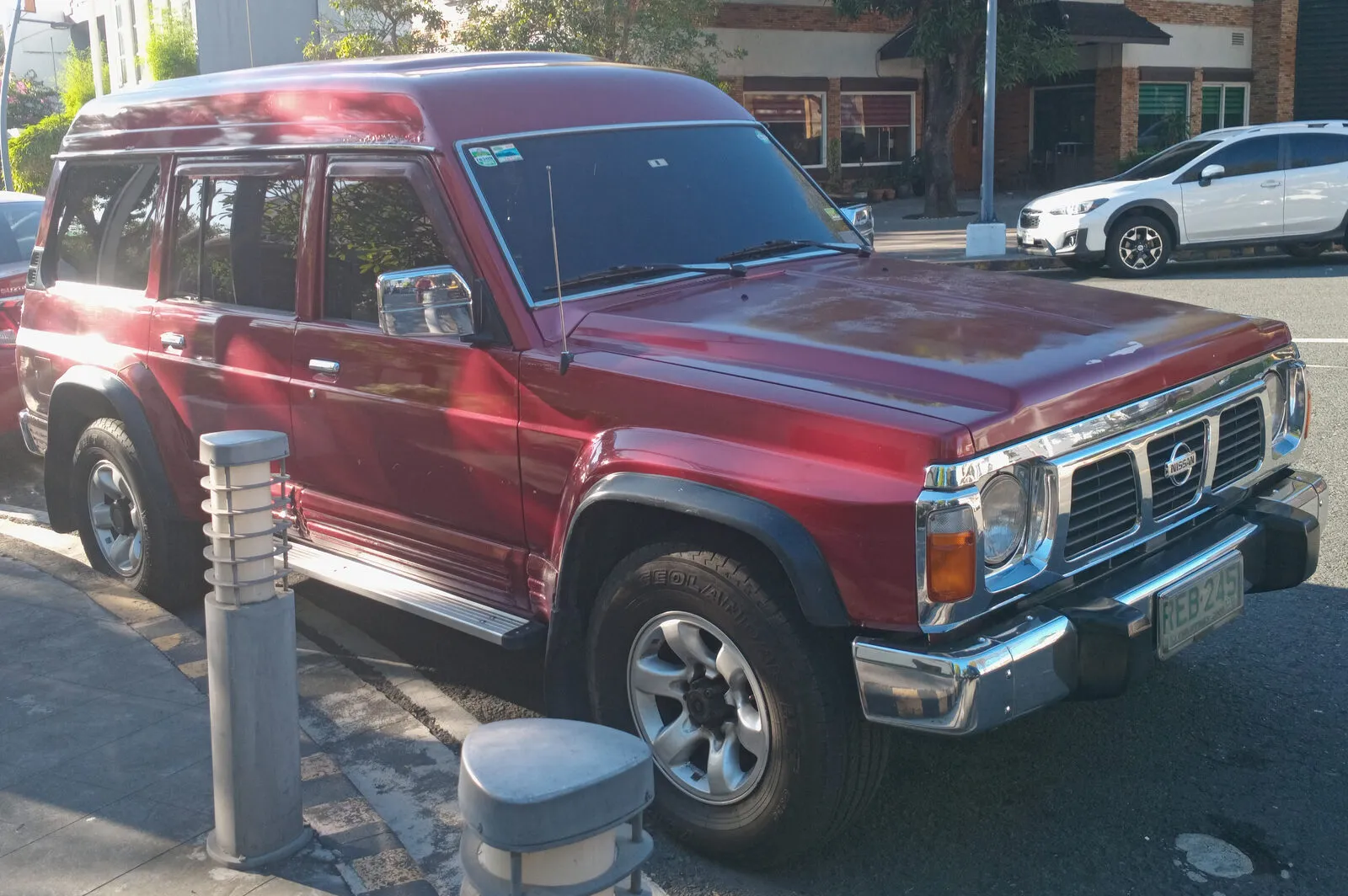

Pros: the naturally aspirated TD42 is one of the most indestructible diesels in the genre’s history; axles and transmission outlive two bodies; the mechanicals can be fixed in the desert with hand tools; cheaper than an equivalent Land Cruiser in almost every market.
Cons: comfort and sound insulation a generation behind the price; a heavy body-on-frame on aggressive tires drinks 15–18 mpg; in Europe and the US, finding a healthy example is objectively hard.
What to watch: the ZD30 3.0 diesel is the infamous “hand grenade” — without boost control and EGR cleaning it burns pistons, so buy only with records or prefer the TD42/TB48; rust in the rear arches and the frame above the rear axle; kingpins and wheel bearings — the schedule Australians follow and Europeans forget.
8. Mitsubishi Pajero — the king of the Dakar#
Twelve Dakar victories — the absolute record of rally raids — and all of them belong to the Pajero. The road car inherited what mattered most: Super Select, a four-wheel-drive system that manages both honest full-time 4WD with a center differential on pavement and a locked low range in the mud. The “off-roader for every day” formula largely began right here.
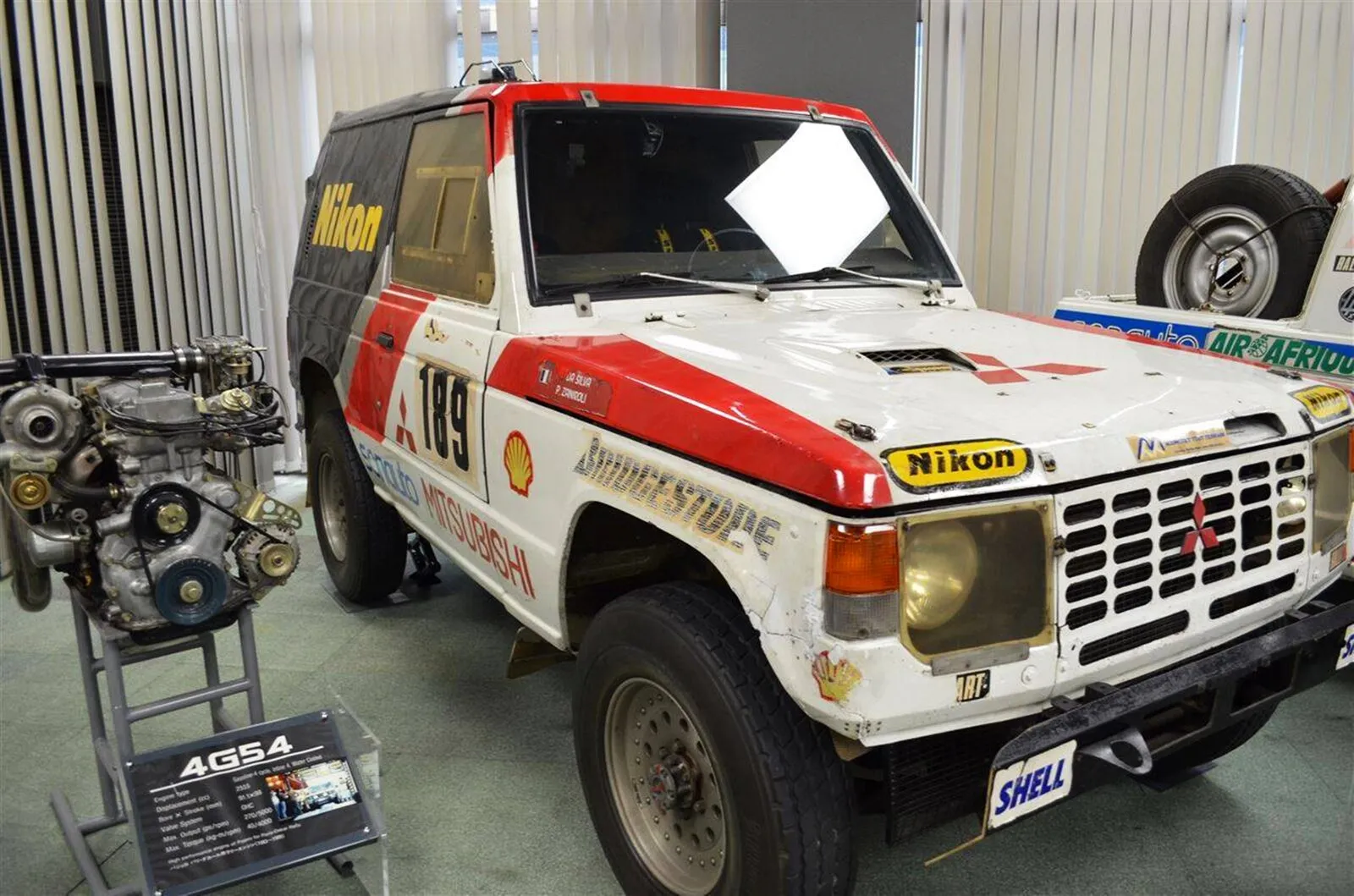
_in_Mitsubishi_Auto_Gallery.jpg)
Pros: Super Select 4WD is still one of the smartest transmissions in the genre; the Dakar bloodline is engineering school, not marketing; a spacious, practical family body; used prices notably kinder than Toyota’s.
Cons: the brand left the segment and the model has no successor — parts are gradually getting dearer; the gasoline V6s are thirsty without delivering Dakar performance; the later generations lost the image, and resale trails the competition.
What to watch: on the DI-D diesels — injectors and the EGR valve: a rough idle and white morning smoke justify a borescope; frame rust and rear-differential mounts on trucks from wet climates; front-suspension bushings are a consumable that likes to wear out “all at once.”
9. Lada Niva — the crossover formula before crossovers#
In 1977 the Niva did what the West would only grasp twenty years later: a unibody, independent front suspension, permanent four-wheel drive — and yet an honest low range with a locking center differential. It has climbed to Everest Base Camp, worked for years in Antarctica, and is still in production today — at a price for which its competitors won’t sell you a trunk lid.
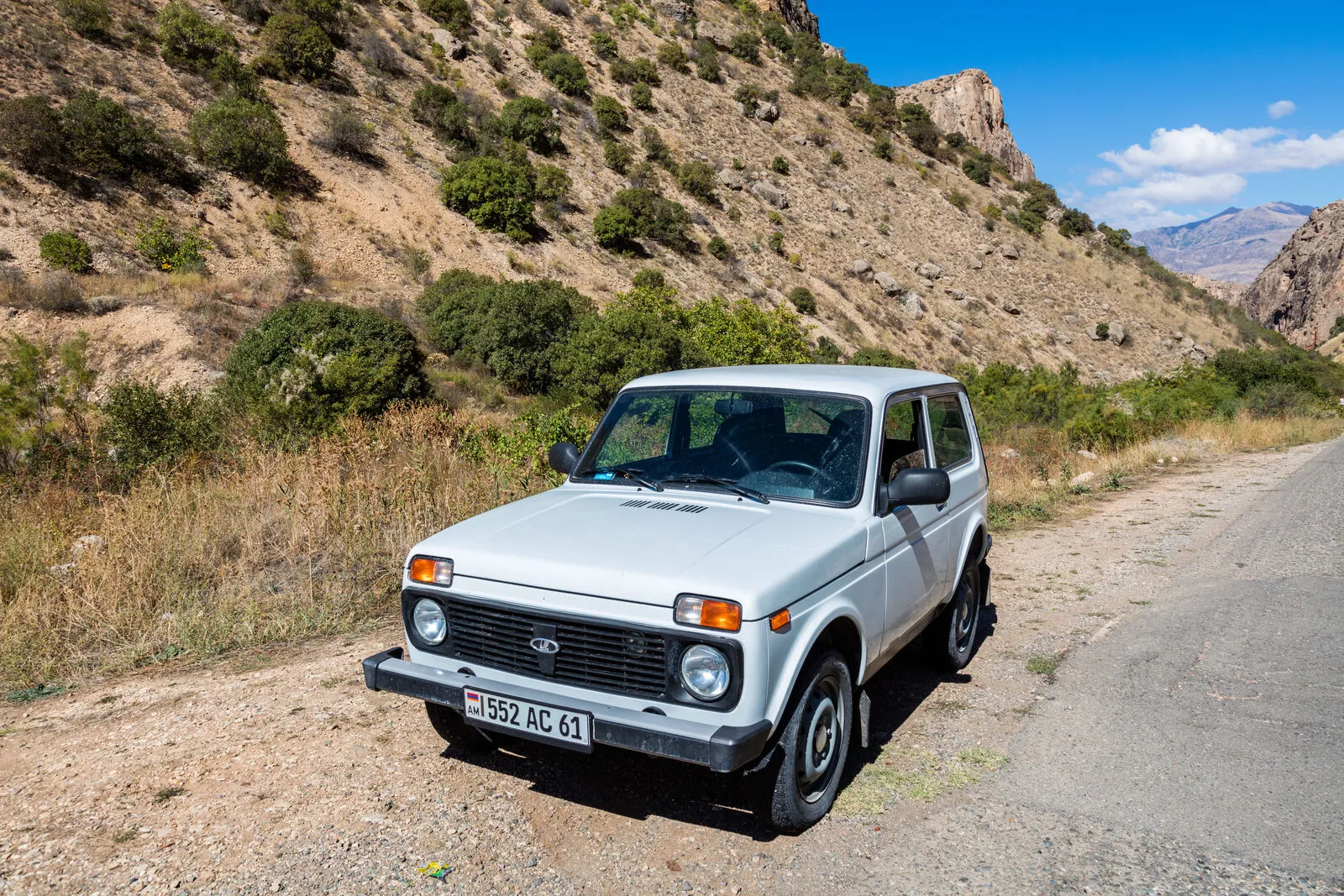

Pros: capability per dollar without rival — short wheelbase, low weight, aggressive geometry; a design that can be fixed anywhere by anyone; parts priced like lawnmower consumables; the only living legend still available new for the price of a budget hatchback.
Cons: comfort, noise and ergonomics straight from 1977, no allowances; highway performance is an exercise in patience; build quality and corrosion resistance demand an attentive owner from day one.
What to watch: driveline vibration is the signature trait — cured by driveshaft balancing and new U-joints, but diagnose it on the test drive without fail; rust in the sills, arches and floor — rustproof it right after purchase, not after the first winter; the transfer case and its mounts — it must not howl, and play is worse.
10. Suzuki Jimny — the little giant#
Since 1970 the Jimny has proven that greatness isn’t measured in liters: a ladder frame, two solid axles and a low range in a machine the size of a city hatchback. Where heavy body-on-frame trucks sink to their axles, the 2,400-pound (1,100 kg) Jimny drives over the top — and the current JB74 generation has turned that honesty into a worldwide shortage with waiting lists and scalpers.
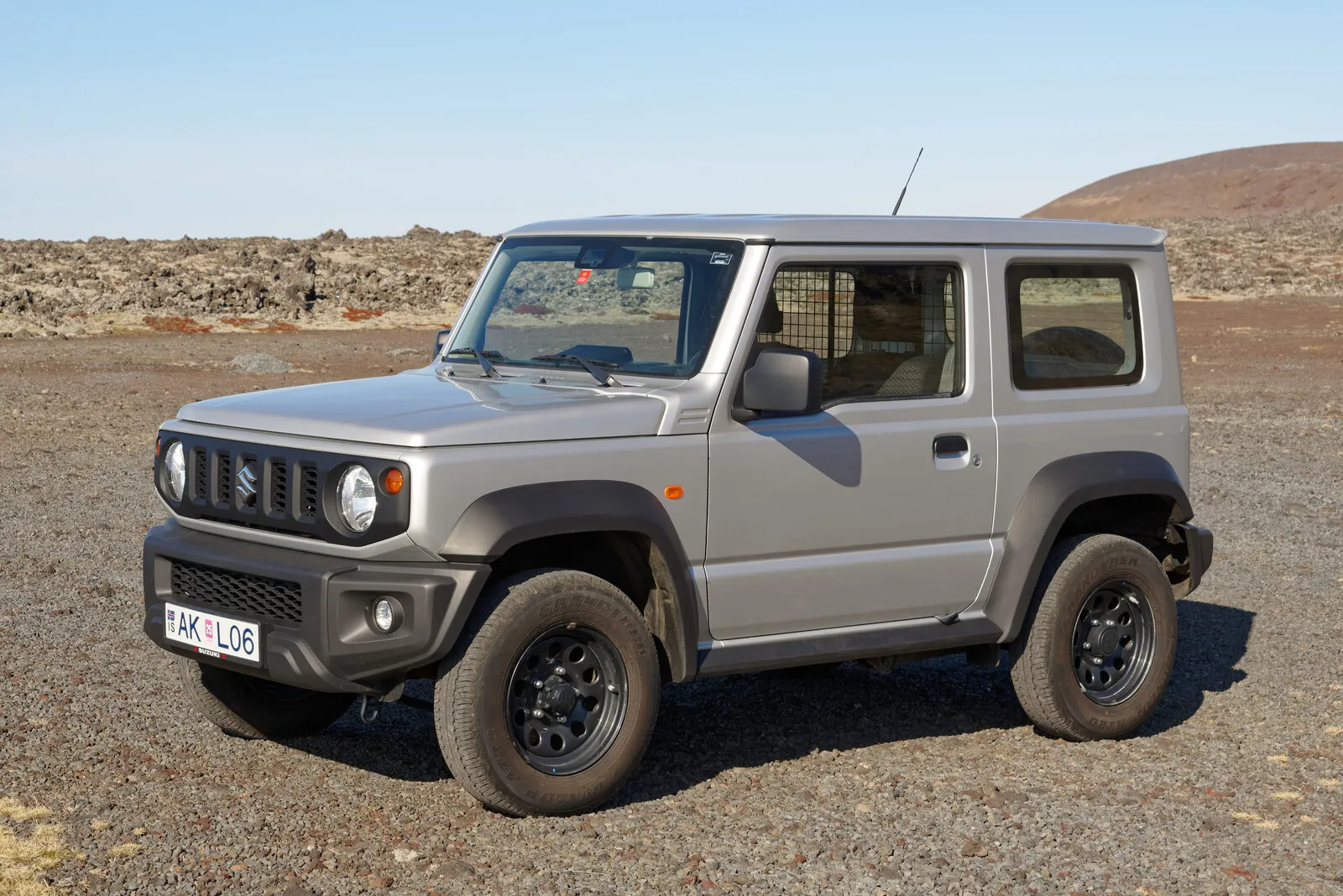

Pros: weight and size open lines physically impossible for big trucks; real architecture — frame, axles, low range — in a toy footprint; around 30 mpg against the 15 of its equals in capability; abnormally strong resale, new or used.
Cons: the highway is not its element — 60–65 mph of comfortable cruise and sensitivity to crosswinds; with four aboard, cargo space ceases to exist; the rear seats are a formality.
What to watch: the axle kingpin bearings — the one service whose neglect ends in play and shredded tires; frame rust on older generations and trucks from snowy regions — inspect on a lift; after serious off-roading, check axle alignment and driveshaft balance — lifted examples trade at a discount for a reason.
Buying a legend: the 20-minute check that decides#
Every truck above is now bought used, usually at an age where the difference between a bargain and a disaster is not visible from the driver’s seat. The order of the checks matters as much as the checks themselves — start with what cannot be repaired cheaply.
- Structure, from below. Frame rails and their crossmembers, sills, floor, suspension mounting points, and on a Defender the bulkhead. Paint tells you nothing; a torch and a screwdriver do. A rotten unibody (XJ, Niva) is a write-off far sooner than a rotten frame.
- Make every mode engage. Low range, the hubs, and each differential lock, one at a time, on the test drive. Unused lockers seize: the G-Class vacuum actuators and the Patrol’s front hubs are the classic cases, and “it works when it’s warm” means it doesn’t.
- Listen to the driveline. Play in the transfer case, driveshafts and U-joints, a howl on overrun, kingpin knock on full lock. On a Niva the vibration is practically a factory feature — but it must be curable by balancing, not by a new transfer case.
- Read the codes, including the pending ones. Everything from the late nineties onwards speaks OBD2, and a cleared dashboard is not a clean dashboard: a $25 adapter and a phone show stored faults, the freeze frame and the monitors that were reset an hour before the viewing. The ten most common codes cover most of what you will find.
- Paper beats patina. On a diesel the oil-change history is worth more than the odometer, and modification receipts are worth more than the modifications. If the seller has quotes from a shop, they can be audited line by line — it is the cheapest second opinion you will ever get.
Then price the first year honestly: fluids in every housing, all the bushings, tyres and a proper rustproofing job are a routine entry fee on a twenty-five-year-old 4×4 — and they are exactly what the previous owner skipped. Our guide to the true cost of a mile has the arithmetic; the maintenance schedule by mileage has the intervals people forget.
Frequently asked questions#
What is the greatest off-road vehicle of all time?
By the measure that survives arguments — decades in production, proven in war, expedition or farm work, and fixable far from a dealer — the Toyota Land Cruiser leads, with the Willys MB and its Jeep Wrangler descendants right behind it for inventing the genre in the first place. Change the measure and the answer changes honestly: for capability per dollar it is the Lada Niva, for capability per kilogram the Suzuki Jimny, and for influence on every SUV sold today the Jeep Cherokee XJ.
What is the most reliable off-roader ever made?
Three drivetrains have the documented record: the Toyota Land Cruiser 70 Series with the 1HZ diesel, routinely past a million kilometres in fleet service; the Nissan Patrol Y60/Y61 with the naturally aspirated TD42, a cast-iron diesel with no electronics to fail; and the Jeep 4.0 inline-six in the Cherokee XJ, which regularly passes 300,000 miles on basic maintenance. In all three cases the body rusts away long before the mechanicals give up.
Which classic off-roader is the best one to buy today?
It depends on the budget, and the entry points are far apart. The cheapest way into a genuine solid-axle 4×4 is a Jeep Cherokee XJ, if you find one whose floor rails are not rotten. The best all-round buy is an 80 Series Land Cruiser or a Patrol Y61 — expensive now, but engineered for overload. And two legends are still sold new: the Suzuki Jimny and the Lada Niva, which are the only way to get a ladder frame or a low range without inheriting somebody else’s corrosion.
Is a solid axle better than independent suspension off-road?
Off-road, usually yes: a solid axle keeps both wheels at a fixed angle to each other, so ground clearance under the differential never changes and articulation is greater, and there is simply less to break under a heavy load. On the road it is the opposite — unsprung weight, steering feel and ride all suffer, which is why every modern SUV except the hardcore ones uses independent front suspension. The Lada Niva and the Range Rover both proved the compromise can be made intelligently.
Body-on-frame or unibody — does it still matter?
Less than the internet believes. A separate frame still wins for overload, for repairability after damage and for bolting on heavy equipment, which is why the Land Cruiser 70 Series and the Jimny keep one. But the Cherokee XJ and the Lada Niva showed in 1984 and 1977 that a unibody with solid axles and a low range is genuinely capable — and stiffer. What actually decides the purchase is corrosion: a rotten unibody is far harder to save than a rotten frame.
Why is the Lada Niva on a list of the greatest off-roaders?
Because in 1977 it combined a unibody, independent front suspension and permanent four-wheel drive with a lockable centre differential and a proper low range — the recipe the rest of the industry arrived at two decades later. It has worked at Everest Base Camp and in Antarctica, is still in production, and costs a fraction of anything with comparable geometry. Judged on capability per dollar rather than on comfort, nothing on this list comes close.
How much fuel do these legends actually use?
Plan for 15–20 mpg (12–16 l/100 km) from any heavy body-on-frame legend — Land Cruiser, Patrol, G-Class, Defender — and worse on aggressive tyres or a lift. The Range Rover Classic V8 drinks 12–15 mpg. Only the small ones are cheap: the Suzuki Jimny returns around 30 mpg (roughly 7–8 l/100 km) and the Lada Niva about 9–10 l/100 km. The number that matters more than the average is the trend: on an old off-roader a steady rise in consumption is usually the first symptom of a mechanical fault.
What should I check before buying a 25-year-old off-roader?
Four things, in this order. Rust in the structure — frame rails, sills, floor and suspension mounting points, inspected from below rather than from the paint. Every drive mode actually engaging: low range, the hubs, and each differential lock, tested on the test drive rather than trusted. Play and noise in the driveline: transfer case, driveshafts, U-joints and kingpins. And the paperwork: on a diesel the oil-change history is worth more than the mileage. Then read the fault codes, including the pending ones, before money changes hands.
A legend lives on maintenance#
All ten machines share one trait: they outlive their owners only where the owners know the schedule and the weak points. An aging off-roader forgives dust, mud and overload — but never a skipped axle-oil change or an unnoticed rise in fuel consumption, which on veteran body-on-frame trucks is almost always the first symptom of a mechanical problem. Brimly takes that part over: it computes your real consumption between full tanks, keeps your service and cost history, and knows the documented weak spots of your exact engine — the same vehicle knowledge base the model pages above come from. And before an expedition, the free trip cost calculator works out the fuel budget from your real numbers, not the brochure’s.