
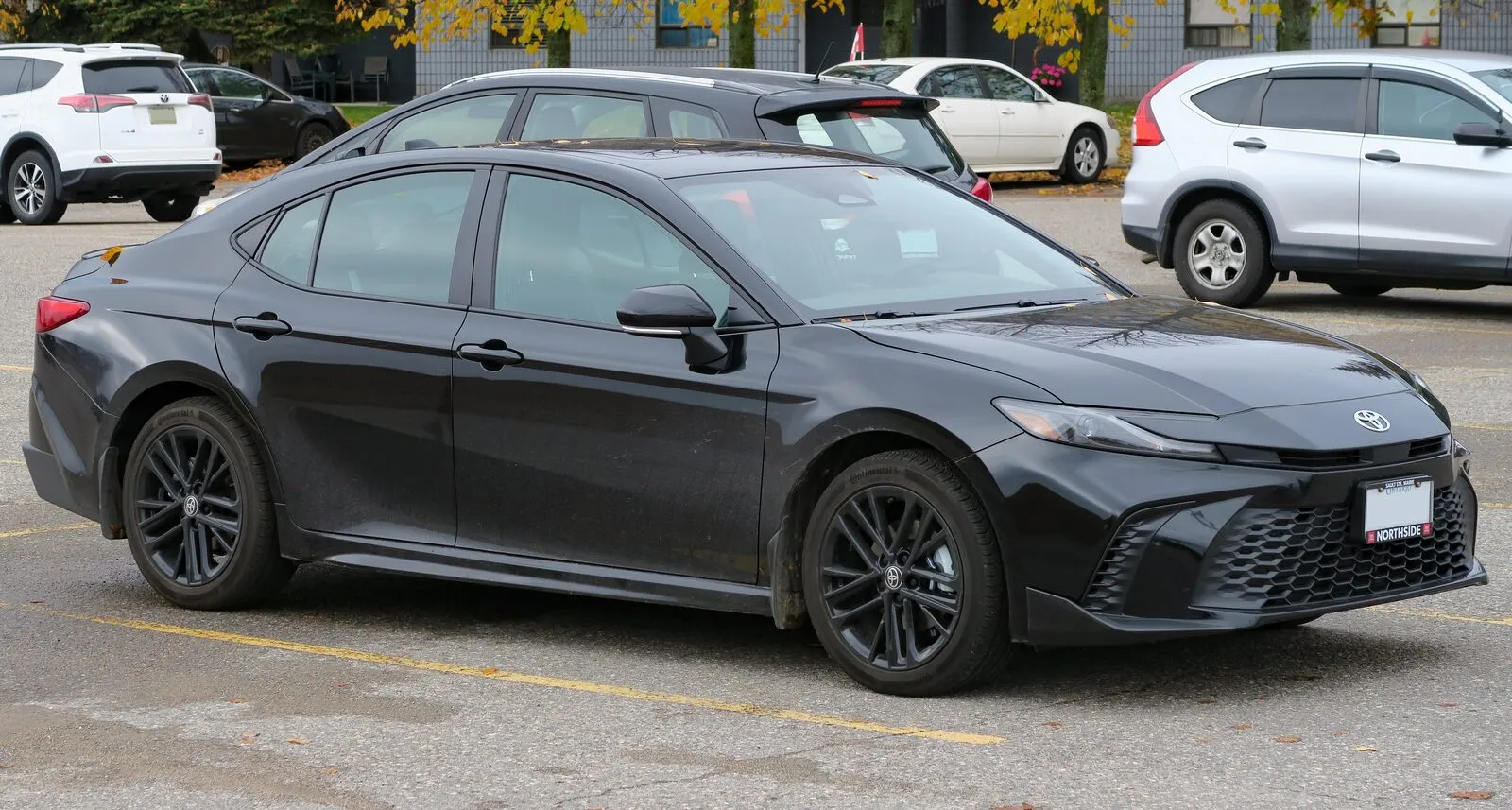
The best road trip car in 2026 is the Toyota Camry Hybrid. Around 51 mpg combined and a 13.2-gallon tank give it a real 550-mile highway range, its seats and quiet cabin hold up past hour six, and the hybrid system has two decades of taxi-grade reliability behind it. Need three rows, gravel roads or a campsite generator? The other seven picks below cover those — each with the real-world range, the comfort verdict and the one thing to watch.

A great road trip car has almost nothing to do with a great spec sheet. Nobody remembers the 0–60 time somewhere past hour six of a drive — what they remember is whether their back hurt, how often the tank forced a detour, whether the adaptive cruise held its lane without nagging, and whether the car felt like a liability four hundred miles from the nearest dealer who knows it. So this list is built on the boring virtues: real highway range, seats engineered for whole days, cargo room for actual luggage, and the documented reliability records we maintain in the verified vehicle knowledge base behind the Brimly app.
The best road trip cars of 2026 at a glance#
- Toyota Camry Hybrid — best overall
- Honda Accord Hybrid — best for people who like driving
- Subaru Outback — best for national parks and gravel
- Toyota Grand Highlander Hybrid — best for families
- Lexus RX 350h — best luxury road trip car
- Kia Telluride — best space per dollar
- Honda CR-V Hybrid — best for two people and a trunk
- Ford F-150 PowerBoost — best for towing and camping
Comparison: real range, mpg, tank size and seats#
| Car (best-economy trim) | EPA combined | Tank | EPA highway range | Real range at 75 mph | Seats |
|---|---|---|---|---|---|
| Toyota Camry Hybrid LE | 51 mpg | 13.2 gal | ~645 mi | ~550 mi | 5 |
| Honda Accord Hybrid EX-L | 48 mpg | 12.8 gal | ~565 mi | ~480 mi | 5 |
| Subaru Outback 2.5 | 27 mpg | 18.0 gal | ~560 mi | ~475 mi | 5 |
| Toyota Grand Highlander Hybrid | 36 mpg | 17.8 gal | ~605 mi | ~515 mi | 7–8 |
| Lexus RX 350h | 36 mpg | 17.2 gal | ~585 mi | ~495 mi | 5 |
| Kia Telluride Hybrid EX (2027) | 35 mpg | 18.2 gal | ~655 mi | ~555 mi | 7–8 |
| Honda CR-V Hybrid | 40 mpg | 14.0 gal | ~505 mi | ~430 mi | 5 |
| Ford F-150 PowerBoost 4x4 | 23 mpg | 30.6 gal | ~735 mi | ~625 mi | 5–6 |
EPA figures are the 2026 model year (2027 for the redesigned Telluride), front-wheel-drive unless noted; all-wheel drive typically costs 1–5 mpg. EPA highway range = tank × EPA highway mpg, tank run dry. The real-range column takes 15% off that — the low end of the usual 15–30% gap between the lab cycle and a loaded car at an honest 75 mph. Your own number will differ; the point of the last section is to know it before you leave.
What makes a car good for road trips?#
One number matters more than any other: real range — tank size times your actual highway consumption, not the brochure figure. Manufacturer numbers come from laboratory cycles, and a 15–30% gap between the lab and your loaded car at an honest 75 mph is normal, not a defect. A "600-mile" car that really does 460 changes where you stop, eat and sleep. The rest of the checklist, in the order it matters at hour six:
- Seat comfort you can only verify with a long test drive — an hour on the highway, not a lap of the dealership.
- Cabin noise — the fatigue you don't notice until day two; touring tires and acoustic glass matter more than horsepower.
- Usable driver assistance — adaptive cruise with lane centering that holds a lane for an hour without nagging or fighting you.
- Cargo room for actual luggage — a flat floor and a wide opening beat a big cubic-feet number.
- A dense service network — so a breakdown far from home is an inconvenience rather than an expedition.
1. Toyota Camry Hybrid — best overall: the 550-mile default#
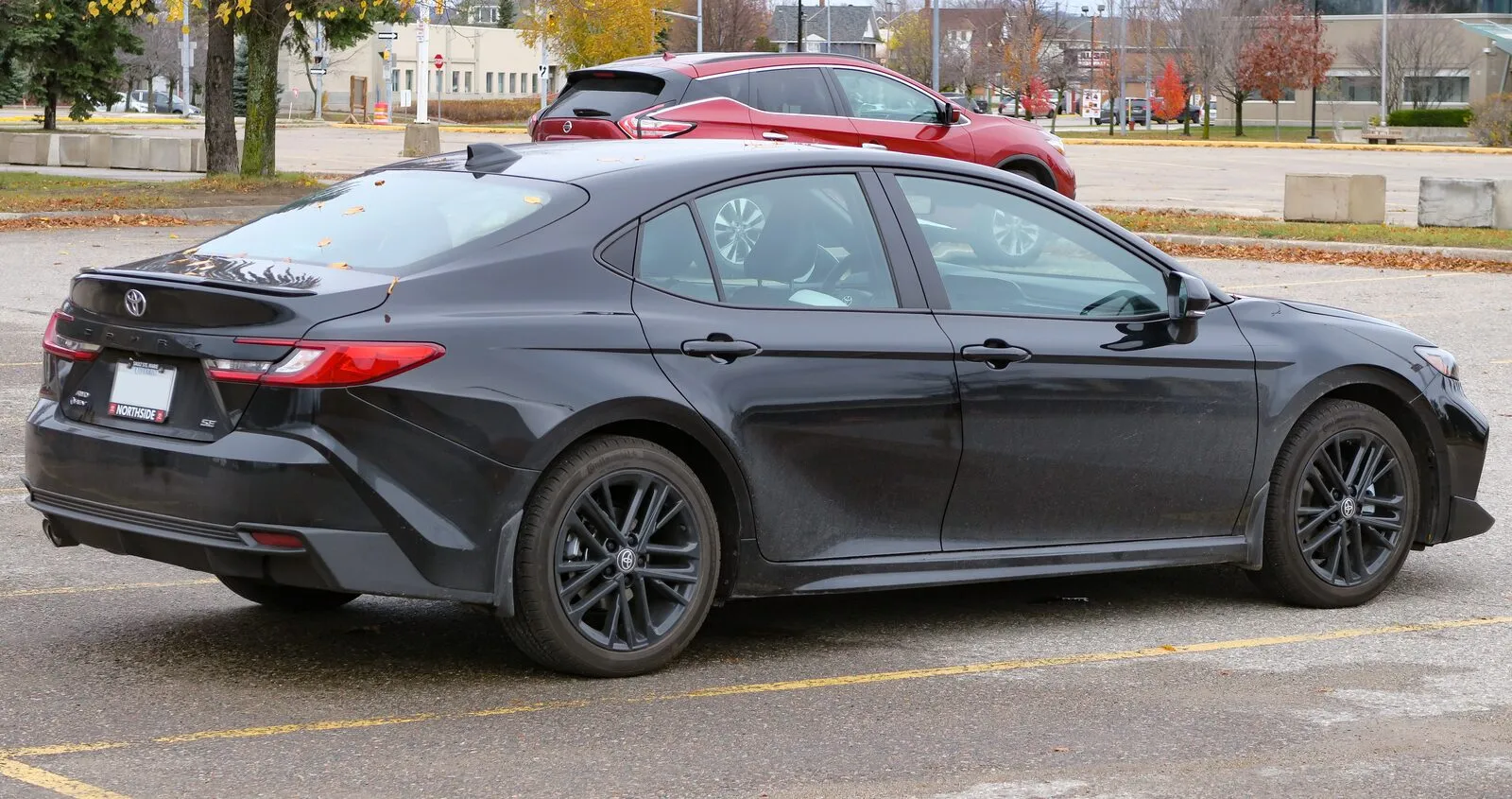

Since the 2025 redesign every Camry is a hybrid, and for covering distance that's the whole argument: 51 mpg combined on the LE (46 on the sportier trims) and a 13.2-gallon tank put genuine 550-mile days between fuel stops — 600-plus if you hold it at 65 — in a car whose powertrain descends from two decades of taxi-grade hybrid service. Available all-wheel drive covers the mountain-state weather. It is the road trip car for people who don't want to think about the car. What to watch: hybrids are hard on their small 12-volt battery — have it tested at every service from year three — and the biggest wheels in the catalog trade a surprising amount of ride comfort and road noise for looks. For a road trip car, pick the smaller wheel. The Camry's documented weak spots and service intervals are on its knowledge-base page.
2. Honda Accord Hybrid — best for people who like driving#
_(53625474280).jpg)
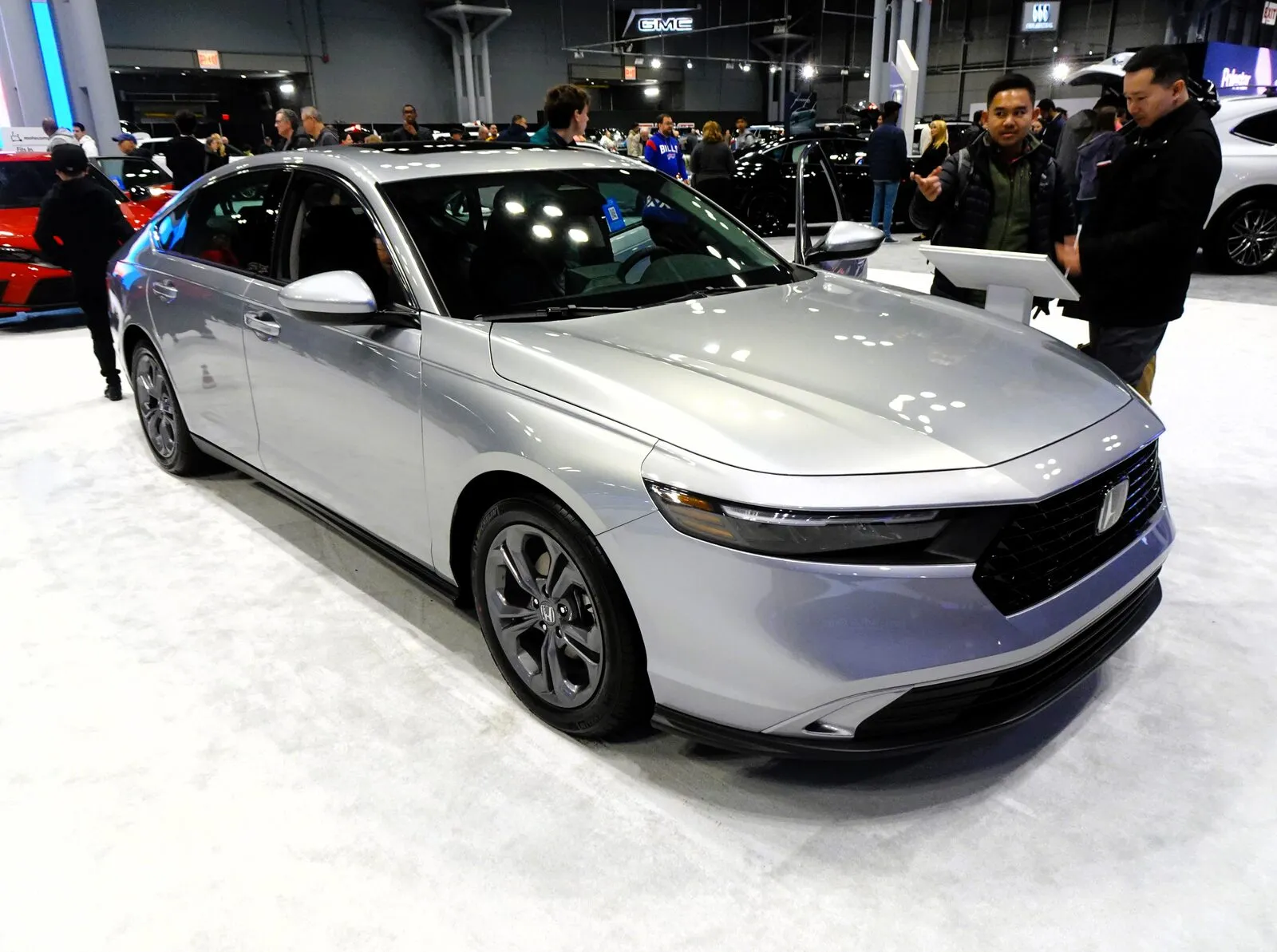
The Accord is what you buy when you actually enjoy the driving part: the best steering and body control in the class, front seats that stay comfortable past the state line, and a hybrid drivetrain rated at 44–48 mpg by trim that never feels strained. The 12.8-gallon tank is the smallest here, so real range is about 480 miles — still four-plus hours between stops. What to watch: the hybrid is the road trip pick over the 1.5 turbo — if you do choose the turbo, keep oil changes on the early side and let winter short trips end with a highway run; the most complained-about "component" on recent Accords is the infotainment, which is a software nuisance, not a mechanical risk. Details per generation on the Accord's page.
3. Subaru Outback — best for national parks and trips that end on gravel#
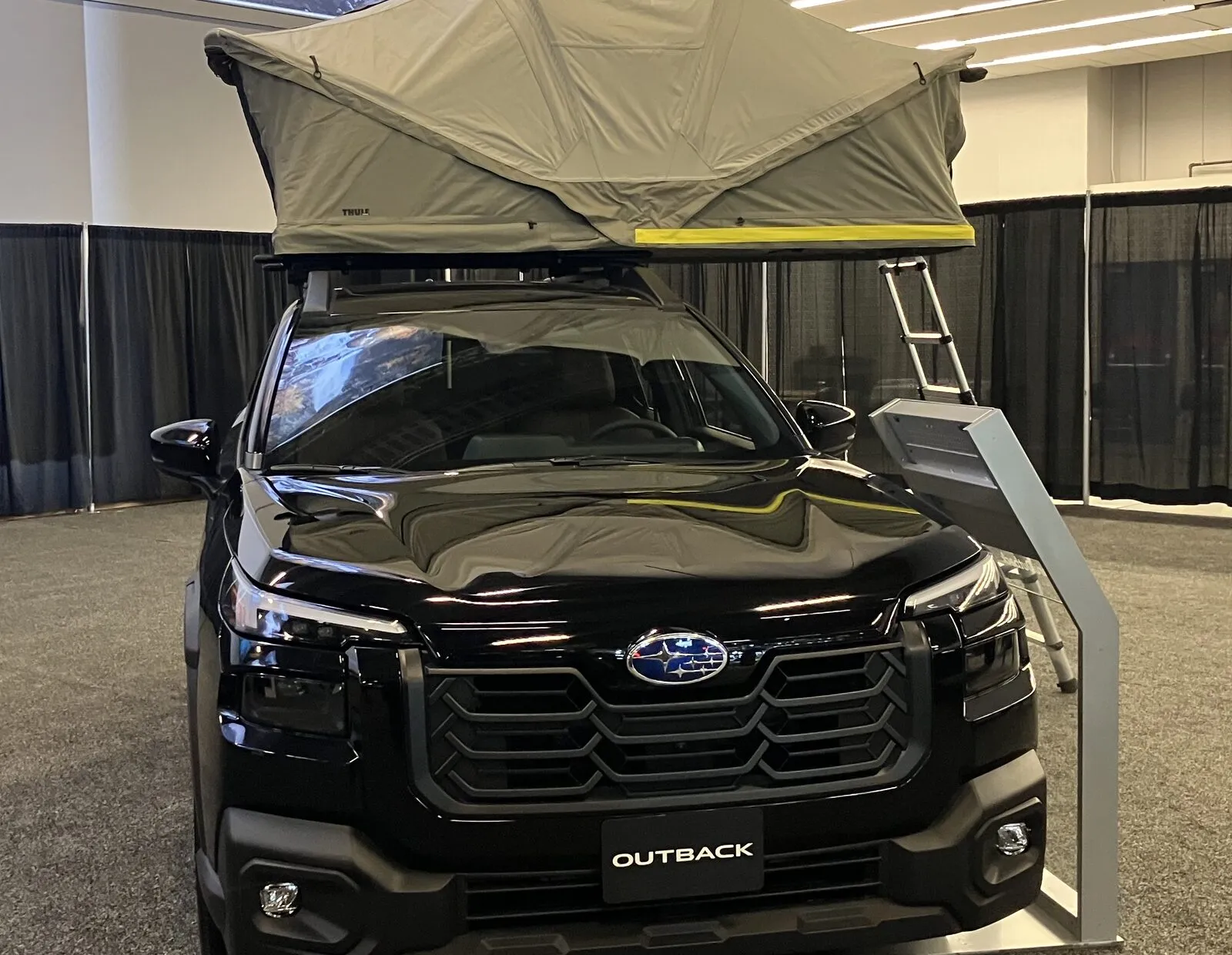

If the destination is a trailhead rather than a city, the Outback is the tool: standard all-wheel drive, real ground clearance, a body that swallows camping gear without raising the center of gravity, and front seats Subaru genuinely engineers for long days. The 2026 redesign turned the wagon into a boxier crossover and shaved the tank to 18 gallons, which at the EPA's 27 mpg combined still means a 475-mile real highway stride; the 2.4 turbo is quicker and thirstier (24 mpg). What to watch: treat the CVT fluid as a real service item (around 60,000 miles, whatever the schedule says), and budget mentally for a windshield — the acoustic glass with the EyeSight cameras is expensive and historically crack-prone, so glass coverage on your insurance pays for itself. Model-year specifics live on the Outback's page.
4. Toyota Grand Highlander Hybrid — best road trip car for families#
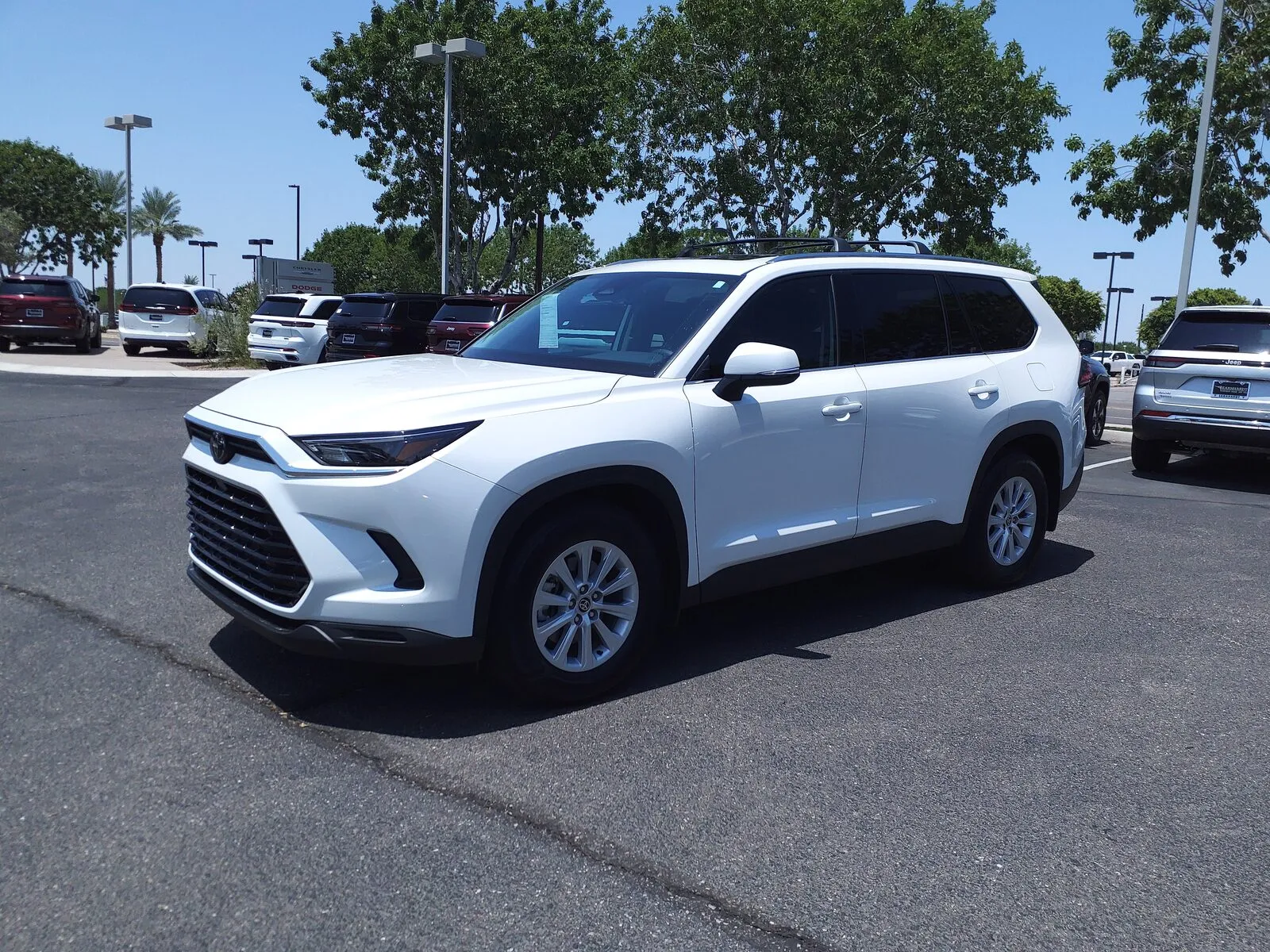

Three real rows, luggage space behind the third one, and the proven 2.5 hybrid system returning around 36 mpg — which, with its 17.8-gallon tank, means the family bus keeps pace with the sedans on this list between stops. This is the pick when the crew and the cargo are non-negotiable. What to watch: on a used 2024, confirm the curtain-airbag recall was performed; and like any hybrid that barely touches its friction brakes, it can rust rotors in wet climates — an annual brake service keeps the calipers free and the first big trip squeal-free.
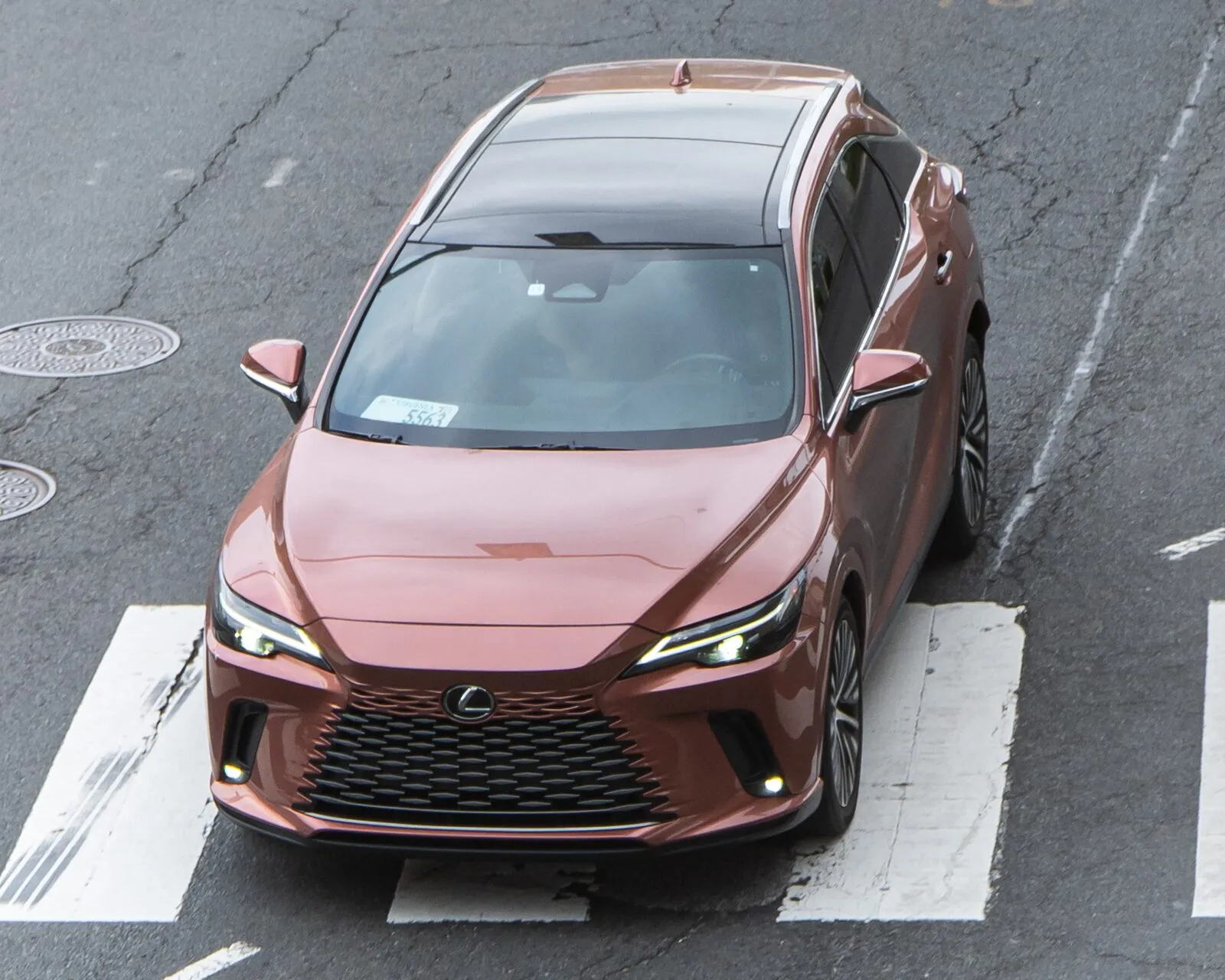
5. Lexus RX 350h — best luxury road trip car, statistically#
_Washington_DC_Metro_Area,_USA_(1).jpg)
The luxury answer, and not just for the massaging of it all: Lexus is J.D. Power's most dependable brand for the fourth year running in the 2026 Vehicle Dependability Study, and the RX 350h pairs that record with a cabin engineered around quiet — the single most underrated long-distance feature — and hybrid economy around 36 mpg from a 17.2-gallon tank. What to watch: the 350h with the proven 2.5 hybrid is the reliability pick; the turbocharged 500h is quicker and newer, which is exactly the trade a road trip buyer shouldn't make. Everything else is by-the-book Toyota hybrid care.
6. Kia Telluride — best space per dollar (and finally a hybrid)#
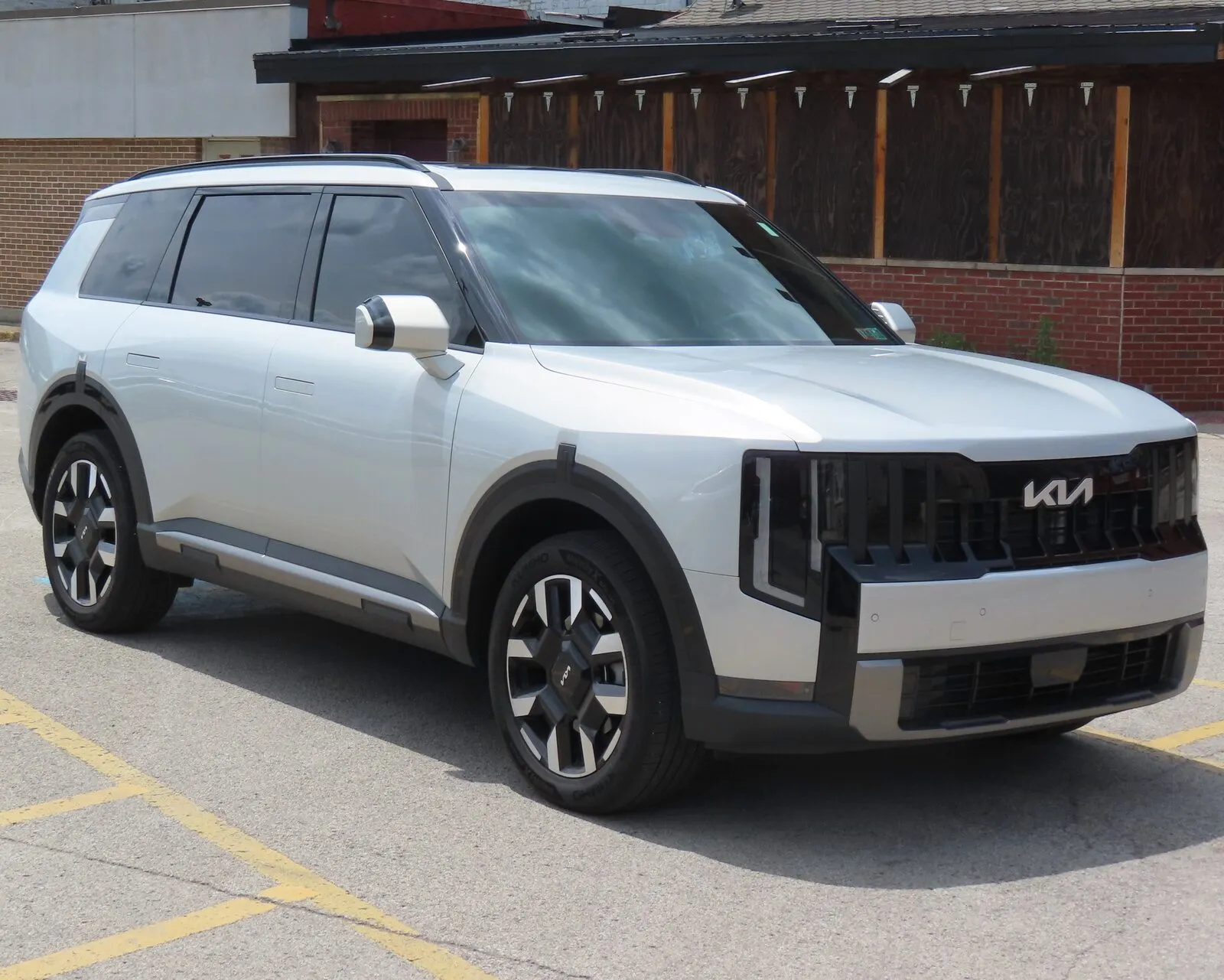

The Telluride wins on packaging: enormous, comfortable, loaded at a price the equivalent Toyota or Lexus can't touch, with one of the longest powertrain warranties on the market backing the trip. The all-new 2027 model, on sale since spring 2026, fixes the old one's only road trip flaw: there is now a turbo-hybrid rated at 35 mpg combined on the EX (31 with all-wheel drive) that turns the 18.2-gallon tank into a 555-mile real stride. What to watch: a used 2020–2026 Telluride with the 3.8 V6 is a known, dependable quantity, but plan around an honest low-to-mid-20s mpg on the highway — the fuel bill is the real price of all that space — and before buying, run the VIN through NHTSA's recall lookup and confirm the campaigns are closed. The list of what to check is on the Telluride's page.
7. Honda CR-V Hybrid — best for two people and a trunk#
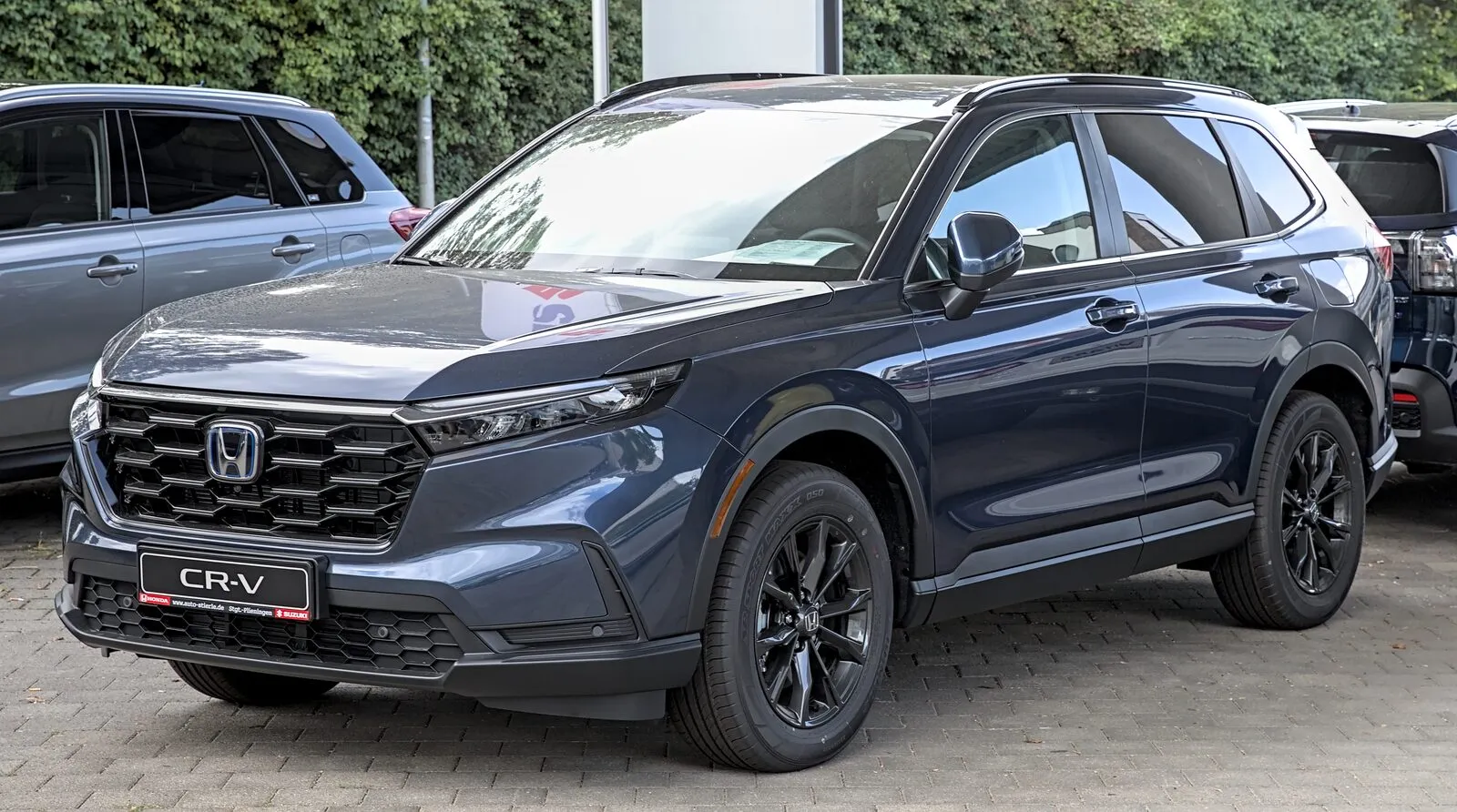
_hybrid_1X7A0866.jpg)
Most road trips are two people and a trunk, and for that the CR-V Hybrid is close to optimal: 40 mpg (37 with all-wheel drive), a flat, van-like cargo floor, excellent sight lines, and Honda's proven 2.0 hybrid system. It's the least car on this list that gives up nothing that matters — the one honest caveat is the 14-gallon tank, which makes its 430 real miles the shortest range here. What to watch: road noise is the class's weak spot — check tire choice before a long trip, because the difference between a touring tire and an aggressive all-terrain is two decibels of all-day fatigue — and test the 12-volt battery from year three, same as every hybrid here. The 1.5-turbo's oil-dilution history is on the CR-V's page.
8. Ford F-150 PowerBoost — best for towing and camping#
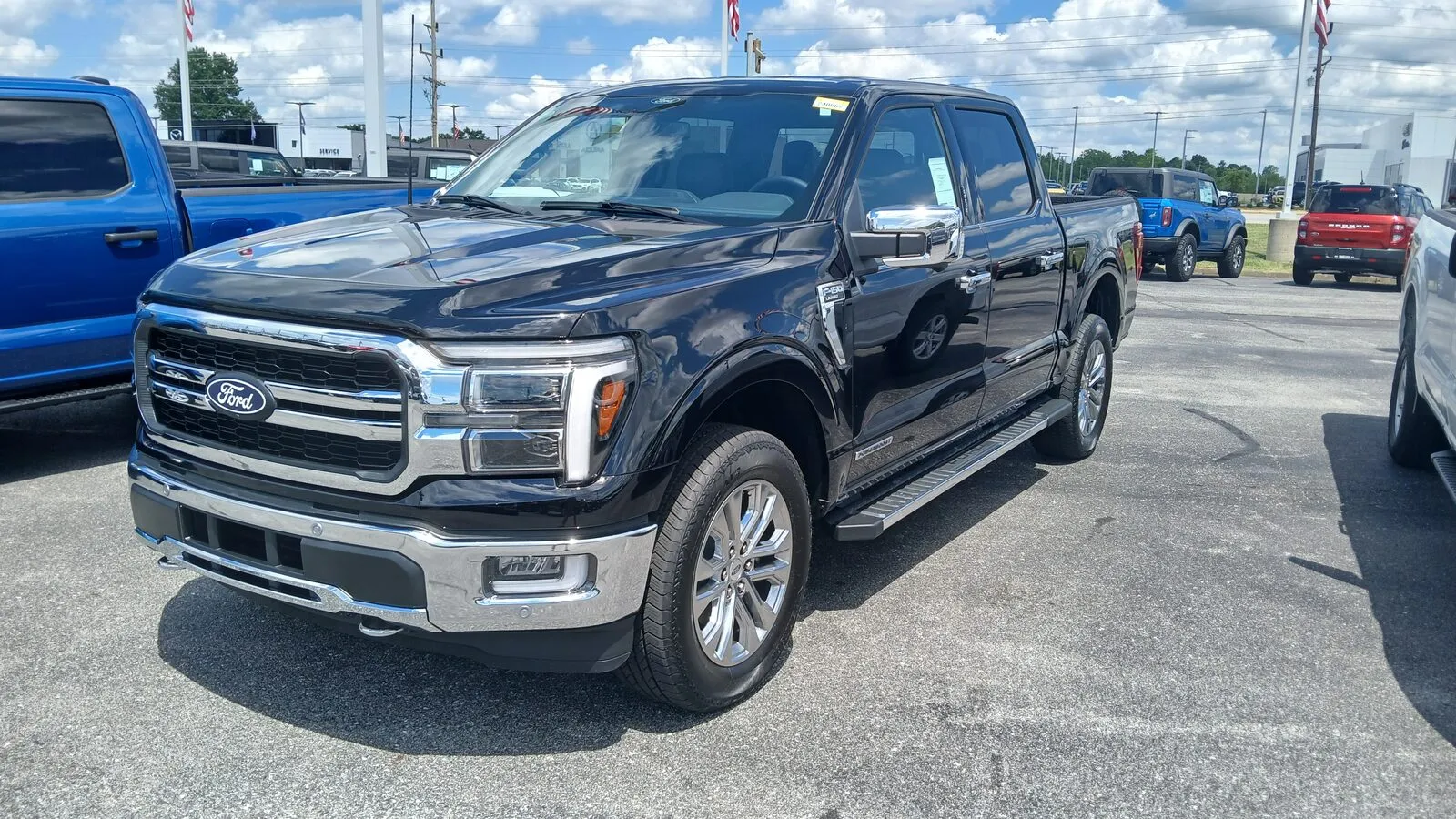

If the trip involves towing a camper or sleeping where there are no outlets, the hybrid F-150 is a category of one: truck capability, a 30.6-gallon tank that stretches past 700 miles by the EPA highway rating (about 625 real miles at 23 mpg), and the Pro Power Onboard generator — up to 7.2 kW — running a campsite, fridge, lights, induction plate, off the traction battery. Note the 36-gallon tank Ford advertises is for the other engines; the hybrid's battery takes that space. What to watch: service the 10-speed automatic on schedule with towing-duty intervals if you actually tow, and on used examples of the 3.5 EcoBoost family check that cam-phaser work (the cold-start rattle fix) is documented — the PowerBoost generation is much better, but paperwork beats optimism. Generation by generation on the F-150's page.
Sedan, SUV, minivan or truck: which is the best road trip vehicle?#
A hybrid sedan is the best road trip car for two adults: lowest noise, best economy, longest legs between stops, and the trunk of a Camry or Accord swallows a week of luggage. A two-row SUV earns its place once there is bulky gear, a dog, or a dirt road at the end — you pay a few mpg and a little wind noise for the flexibility. A three-row SUV is the answer for five people plus luggage, and in 2026 the hybrid ones (Grand Highlander, Telluride) no longer pay a fuel penalty for it. A minivan is still the most honest family road trip vehicle — sliding doors in tight parking lots, a flat floor, a third row adults can reach — and the Toyota Sienna, hybrid-only at around 36 mpg and a 2026 J.D. Power model-level dependability award, belongs on this list in everything but image. A truck only when you tow or camp off the grid; otherwise its size and thirst are pure cost.
Honorable mentions that missed the eight on one criterion each: the Chevrolet Tahoe for seven-plus with all their gear (space nothing else matches, at truck-like fuel bills), the Hyundai Palisade as the Telluride's near-twin, and the Honda Civic Hybrid as the budget pick — high-40s mpg and a surprisingly grown-up highway ride in a car that costs far less than anything above.
Is an EV a good road trip car?#
Honestly: it depends on the map. Along I-5, I-95 or most of the interstate spine, a modern EV with 300 miles of range — Ioniq 6, Ioniq 5, Model Y — road-trips beautifully in 2026; the 20-minute charge stops align with human bladders anyway. But range drops hard at 75 mph in winter, and the charging deserts of the mountain West and northern plains are still real. If your routes cross them, the hybrids above deliver the EV's quiet, effortless character with a five-minute "recharge" at any gas station. If your routes don't — test-drive one before deciding, and plan the chargers like you'd plan mountain passes.
What is the best used car for a road trip?#
The same virtues, three to six years older, at half the price. Three picks with documented records: a 2018–2024 Toyota Camry Hybrid (the previous generation, 46–52 mpg by year, with the same taxi-grade hybrid), a 2021–2024 Toyota RAV4 Hybrid (real-world 36–37 mpg and a 14.5-gallon tank; the early software gripes were patched by 2021 — the RAV4's problems by generation tell you what to verify), and a 2020–2024 Toyota Highlander Hybrid for three rows at 35 mpg ( its page lists the recalls). Whatever the car, run the VIN through NHTSA's recall lookup first — our roundup of the best-selling cars' typical failures shows how many of them are free fixes that simply weren't done, and the most reliable cars on the US market is the longer shortlist.
The pre-trip checklist that beats any car choice#
Every car above will do the distance; whether it does it drama-free is mostly decided the week before departure:
- Oil — change it if it's within a thousand miles of due; a road trip adds 2,000 in a week.
- Tires — pressures set for the load (the door-jamb sticker has a loaded figure), tread checked, the spare or inflator kit actually present.
- Fluids by date — brake fluid and coolant age, not just level; wiper blades and washer fluid for the bug season.
- The 12-volt battery — a load test, especially on any hybrid past year three; it is the most common "won't start" 500 miles from home.
- Stored trouble codes — a ten-dollar OBD2 adapter reads pending codes before the check-engine light does; here's how to use one with an iPhone.
- Your consumption trend — the one thing almost everyone skips. A creep of half a gallon per hundred miles over a month is the earliest warning most mechanical problems ever give, and the way you drive is the other half of the number.
- The service schedule — anything due inside the trip's mileage gets done before, not after; the full checklist by mileage is here.
Brimly does the last three automatically: it computes your real consumption between full tanks, knows the service schedule and the documented weak points of your exact engine, and reminds you before the trip instead of during it. For the budget, the free road trip gas cost calculator works from your real numbers — not the brochure's — and if you're wondering whether a higher grade at the pump helps, it doesn't, unless the manual asks for it.
Frequently asked questions#
What is the best car for a long road trip?
For most people in 2026 it is the Toyota Camry Hybrid: about 51 mpg combined and a 13.2-gallon tank give it a real 550-mile highway range, the seats and quiet cabin hold up past hour six, and its hybrid system has two decades of taxi-grade reliability behind it. If you need three rows, pick the Toyota Grand Highlander Hybrid; for gravel and trailheads, the Subaru Outback.
Is an SUV or a sedan better for road trips?
A hybrid sedan is better for two adults: quieter, more efficient and longer-legged between fuel stops. An SUV is better once you carry more than two people or bulky gear, or the route leaves the pavement. A minivan beats both for a family of five or more — sliding doors, a flat floor and the easiest access to the third row.
What is the most comfortable car for long-distance driving?
Among mainstream cars the Lexus RX 350h and the Honda Accord Hybrid have the best long-haul seats; the Lexus adds the quietest cabin, which is the fatigue factor most buyers underrate. Comfort is the one criterion you cannot read off a spec sheet — take the test drive on a highway, not around the block, and sit in it for at least an hour.
Is a hybrid a good road trip car?
Yes — in 2026 the hybrids are the best road trip cars, not a compromise. A Camry Hybrid or CR-V Hybrid refuels in five minutes like any gas car, but its tank goes 20–40% further, and the electric motor makes the powertrain quiet and effortless at cruising speed. The one extra upkeep item is the small 12-volt battery, which should be tested from year three.
Is an electric car good for road trips?
On the interstate spine — I-5, I-95, I-10 — a modern EV with 300+ miles of range road-trips well, with 20-minute fast-charge stops. Range drops hard at 75 mph in winter, and the mountain West and northern plains still have charging deserts. If your routes cross them, a long-range hybrid is the safer choice.
What is the best road trip car for a family?
The Toyota Grand Highlander Hybrid: three usable rows, luggage space behind the third one, around 36 mpg and a 17.8-gallon tank. The all-new 2027 Kia Telluride Hybrid gets close on economy for less money, and a Toyota Sienna minivan beats both on space and access if you can live with the image.
Which road trip car goes the farthest on one tank?
Of the cars on this list, the Ford F-150 PowerBoost: 30.6 gallons at about 23 mpg is over 700 miles by the EPA highway rating and roughly 625 real miles at 75 mph with a loaded bed. Among passenger cars the Camry Hybrid leads at about 550 real miles, with the Telluride Hybrid close behind.
Should I use premium gas on a road trip?
No — use the grade the owner’s manual specifies. Every car on this list runs on regular 87 octane, and premium changes nothing but the receipt. What actually stretches a tank on a road trip is speed: 65 mph instead of 78 is worth 15–20% in range on most of these cars.