
Consumer Reports' 2026 ranking is Japanese from top to bottom: the Subaru Impreza leads on 80/100, ahead of the Toyota Corolla Cross, Subaru Crosstrek and Toyota Crown — and J.D. Power has named Lexus the most dependable brand for the fourth year running. Eight of the ten below wear a Toyota, Lexus, Subaru or Honda badge. The pattern matters more than the order: nine of the ten run a naturally aspirated or long-serving hybrid powertrain that has been in production for five years or more — in a year when the industry average got worse, not better.

2026 is a strange year to buy a car: the industry as a whole is getting less dependable. J.D. Power's 2026 Vehicle Dependability Study recorded the worst average since the study was redesigned — 204 problems per 100 three-year-old vehicles, two more than a year ago. Which makes the cars that buck the trend more valuable than ever. Below are the ten models that top Consumer Reports' 2026 reliability rankings, built from owner data on more than 380,000 vehicles across twenty trouble areas — cross-checked against the J.D. Power results, and annotated with the few weak points each one still has, from the verified vehicle knowledge base we maintain for the Brimly app.
Two headlines before the list. First, Japan still owns this game: eight of the ten spots below belong to Toyota, Lexus, Subaru and Honda, and in J.D. Power's study Lexus was the most dependable brand for the fourth straight year, with the Lexus IS the single most dependable model on the market. Second, no car is maintenance-free — every entry notes what to actually watch, because "reliable" means fewer surprises, not zero.
The whole ranking in one table — the score, what each car actually is, the version to buy if dependability is the point, and the one thing that still deserves attention.
| Model | Score | What it is | Version to pick | What to watch |
|---|---|---|---|---|
| Subaru Impreza | 80/100 | Compact hatchback, standard AWD | 2.0 naturally aspirated plus CVT | CVT fluid by 60,000 mi, whatever the book says |
| Toyota Corolla Cross | 79/100 | Compact SUV | 2.0 or the hybrid — both proven | The 12-volt battery after year three |
| Subaru Crosstrek | 78/100 | Lifted Impreza, standard AWD | Same 2.0 and CVT | CVT fluid, and glass coverage for the windshield |
| Toyota Crown | 78/100 | Lifted hybrid sedan | The standard 2.5 hybrid, not Hybrid Max | Hybrid Max is newer and far less proven |
| Toyota Corolla | 76/100 | Compact sedan or hatchback | 2.0 plus CVT, or the hybrid | Denso fuel-pump recall on a used car |
| Toyota Tacoma | 74/100 | Mid-size pickup | i-FORCE 2.4 turbo | 2024 recalls and transmission software |
| Honda Accord | 74/100 | Mid-size sedan | The 2.0 hybrid ahead of the 1.5 turbo | Fuel-diluted oil on short winter trips |
| Toyota Grand Highlander Hybrid | 73/100 | Three-row family SUV | 2.5 hybrid | 2024 curtain-airbag recall, and rotor rust |
| Toyota Highlander Hybrid | 71/100 | Two-row family SUV | 2.5 hybrid, unchanged since 2020 | The 12-volt battery, and rotor rust |
| Lexus NX | 71/100 | Luxury compact SUV | NX 350h hybrid over the 2.4 turbo | If you buy the 450h+, actually plug it in |
1. Subaru Impreza — score 80/100#
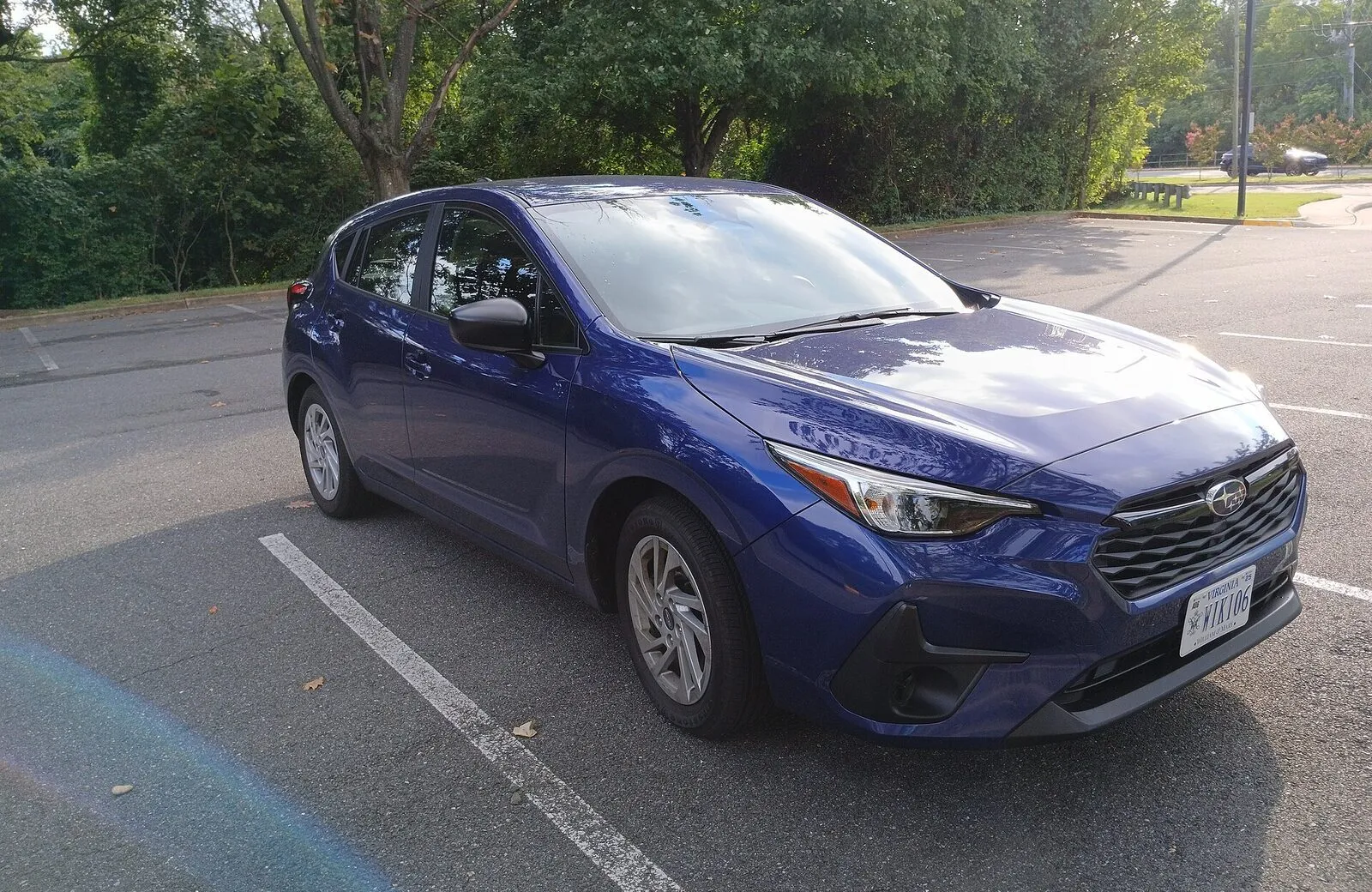

The most reliable car in America in 2026 is a compact hatchback with standard all-wheel drive. The Impreza's formula is deliberate boredom: a naturally aspirated 2.0 boxer with no turbo to stress, a Lineartronic CVT that Subaru has been refining since 2010, and a platform shared with half the lineup. Consumer Reports gives it 80/100 — the top predicted-reliability score of any 2026 model. What to watch: the CVT is only as good as its fluid — change it around 60,000 miles even though Subaru calls it "inspection only", and on older FB-series engines keep an eye on oil level between changes, a documented habit of the earlier revisions.
2. Toyota Corolla Cross — score 79/100#
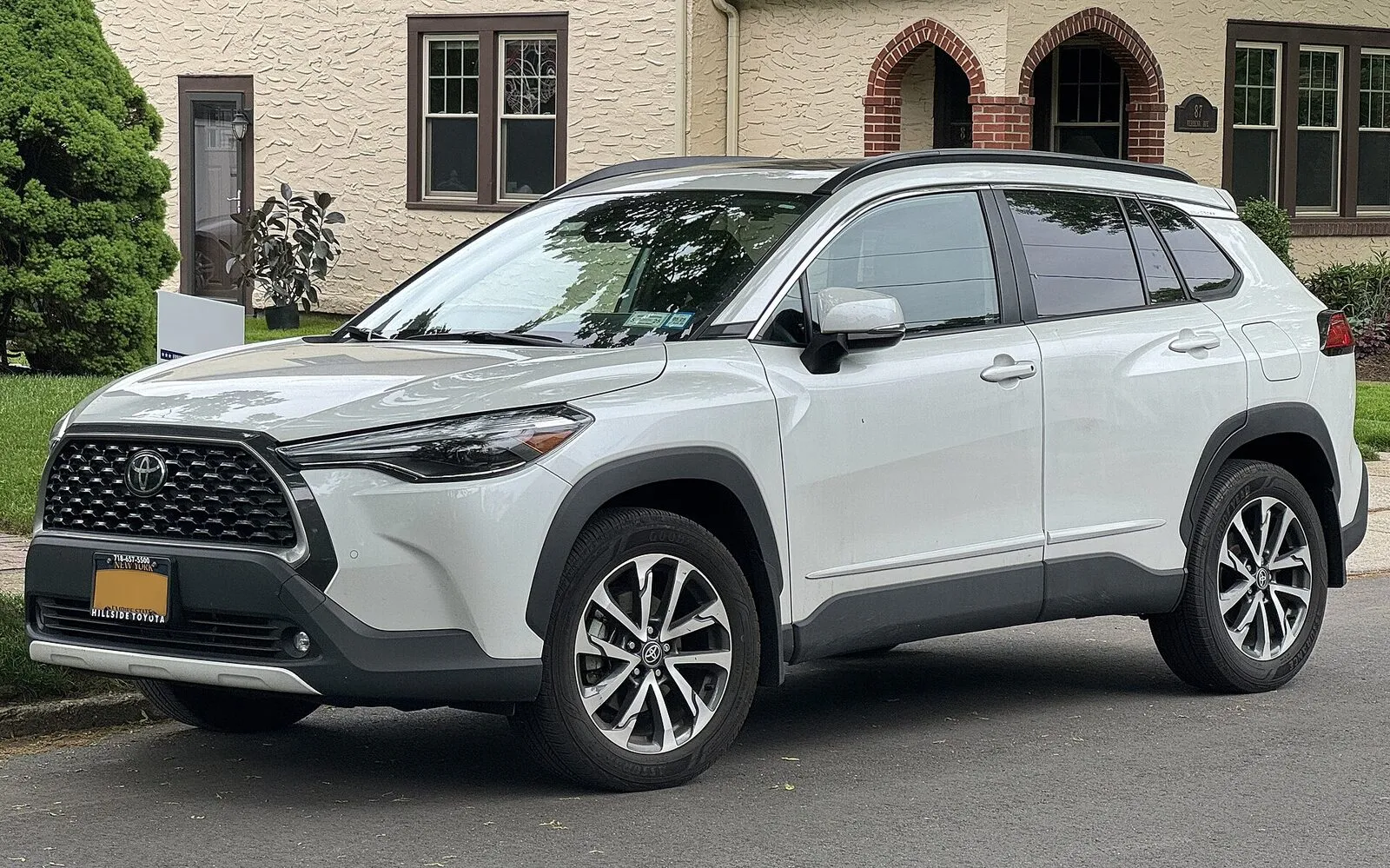

Corolla mechanicals in a small SUV body: the 2.0 Dynamic Force engine and the hybrid option are both among the most proven powertrains on sale, and the Corolla Cross has had three years to shake out its launch bugs. What to watch: almost nothing mechanical. Owner complaints cluster around road noise and the infotainment, and on hybrids the small 12-volt battery can die without warning after deep discharges — test it at every service after year three.
3. Subaru Crosstrek — score 78/100#
A lifted Impreza with cladding, and it inherits everything that put the Impreza at #1 — same engines, same CVT, same platform, redesigned in 2024 without the first-year drop that usually follows. What to watch: the same CVT-fluid discipline as the Impreza, and budget for a windshield: Subaru's acoustic glass with EyeSight cameras is expensive to replace and historically crack-prone, so comprehensive insurance with glass coverage pays for itself.
4. Toyota Crown — score 78/100#
The odd one out — a lifted hybrid sedan — but under the styling it's the 2.5 hybrid system from the Camry and RAV4, a powertrain with two decades of taxi-grade service history behind it. What to watch: stick to the standard 2.5 hybrid if reliability is the goal; the turbocharged Hybrid Max is newer, more complex and has far less field history. Everything else is routine Toyota hybrid care: coolant and inverter service by the book.
5. Toyota Corolla — score 76/100#
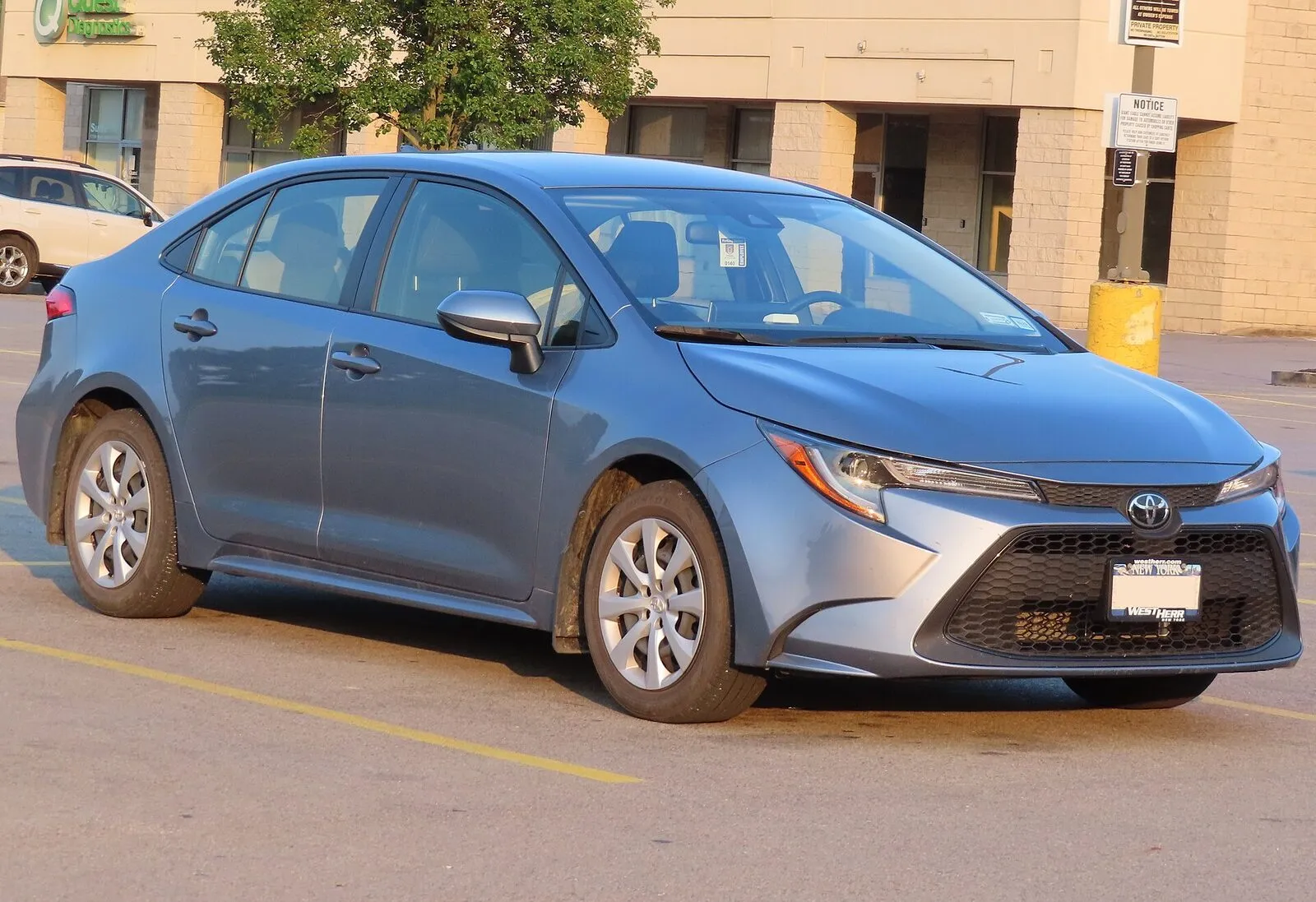

The default answer to "what's a reliable car" for fifty years, and the data still backs it up: a J.D. Power model-level award winner in 2026 on top of its Consumer Reports score. The 2.0 engine and CVT (with a real mechanical first gear for launches) are as sorted as mass-market engineering gets. What to watch: check that any used example had the Denso fuel-pump recall performed — it touched millions of 2018–2020 Toyotas — and keep the CVT fluid fresh past 60,000 miles. That's the whole list.
6. Toyota Tacoma — score 74/100#
_IMG_9727_(cropped).jpg)
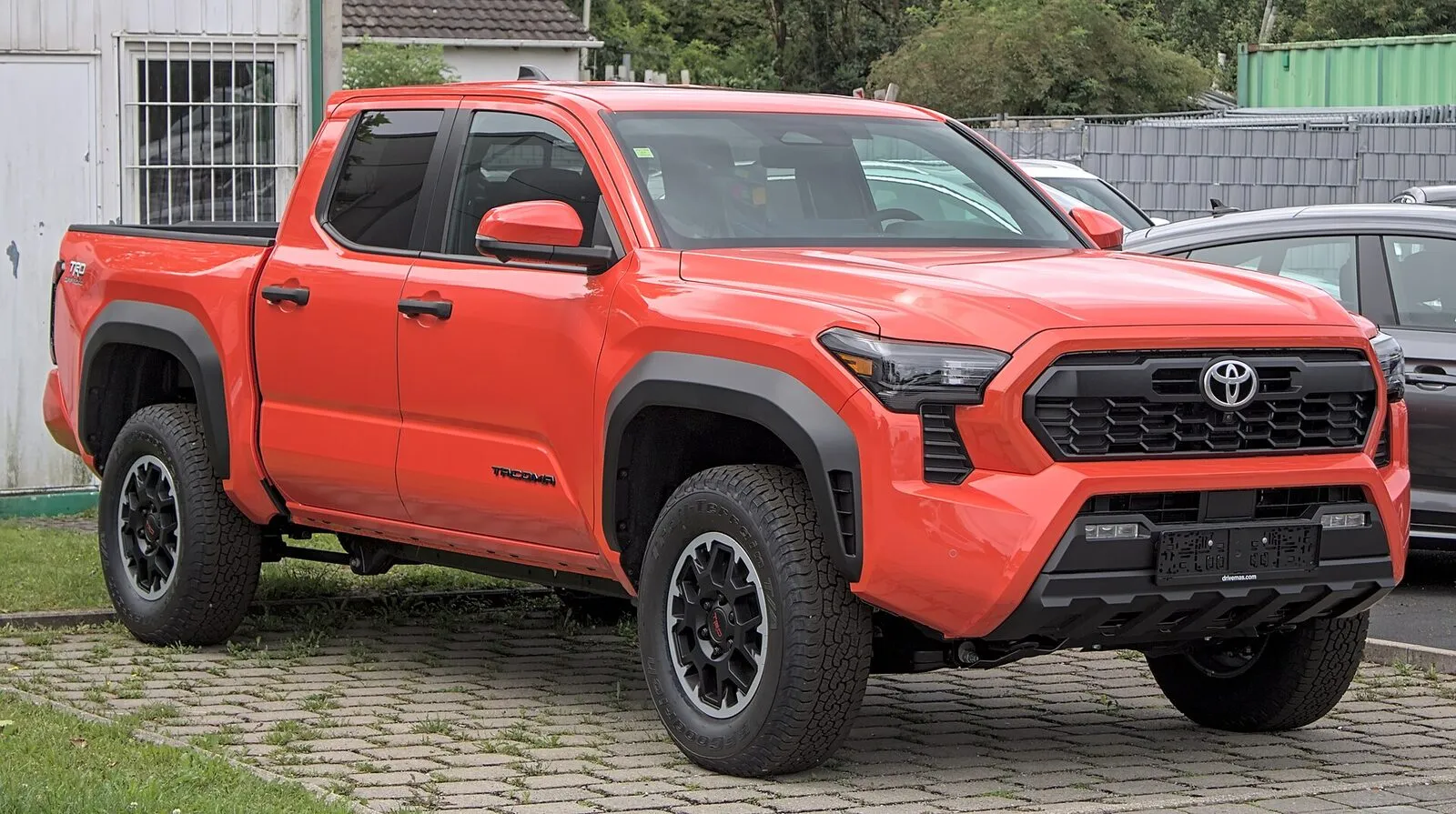
The comeback story of the list. The all-new 2024 Tacoma launched with real teething problems — early transmission complaints and a brake-line recall — and a year ago it wouldn't have made this ranking. The 2026 data shows Toyota worked through it: Consumer Reports now scores it 74/100 and J.D. Power gave the Tacoma a model-level award. What to watch: on a used 2024, verify the recalls and transmission software updates are done; on the i-FORCE MAX hybrid, remember it's still the newest powertrain in the family and service the cooling system on schedule.
7. Honda Accord — score 74/100#
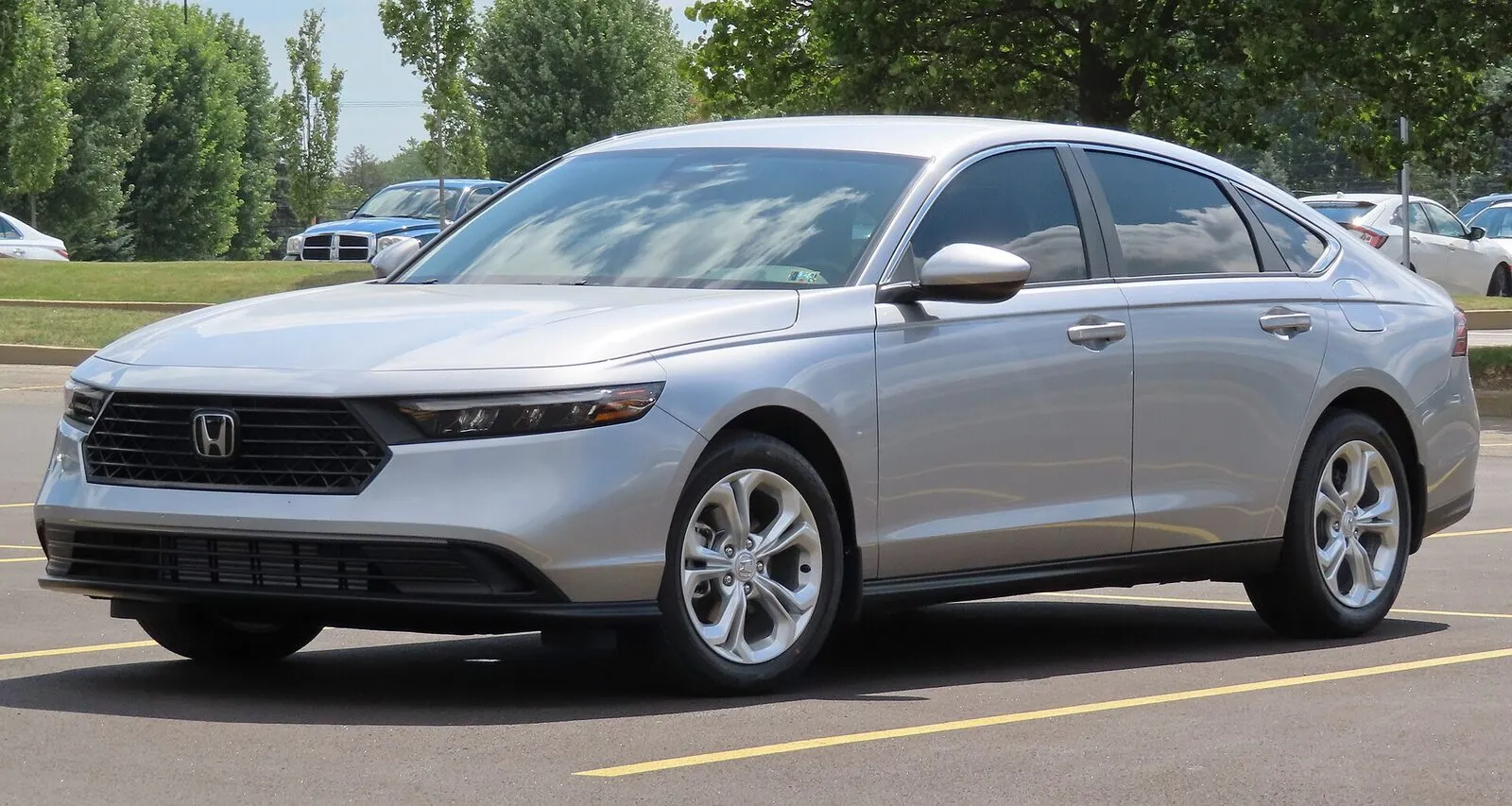

The only non-Toyota-family sedan in the top ten, and the pick if you want something that's genuinely good to drive. Both powertrains are known quantities: the 1.5 turbo has long since outgrown its 2017-era oil-dilution reputation, and the 2.0 hybrid is Honda's best drivetrain in years. What to watch: on the 1.5T, short-trip winter driving still deserves an occasional oil-level sniff test (fuel smell on the dipstick means dilution) and don't stretch oil-change intervals; on any trim, the infotainment is the most complained-about "component" — a software item, not a mechanical one.
8. Toyota Grand Highlander Hybrid — score 73/100#
Proof that reliability now scales to three rows: the Grand Highlander Hybrid pairs the proven 2.5 hybrid system with a family-bus body and lands at 73/100 in its second full year. What to watch: confirm the 2024 curtain-airbag recall was performed (production was even paused for it), avoid the first-year examples if you can, and treat the brakes gently — regenerative braking means pads last ages but rotors can rust in rainy climates; an annual brake service keeps the calipers free.
9. Toyota Highlander Hybrid — score 71/100#
The shorter Highlander Hybrid has been running essentially the same powertrain since 2020, and it shows in the data — this is the low-drama family SUV benchmark. What to watch: genuinely little. The known items are minor: 12-volt battery health after year three (hybrids are hard on small batteries), and the same rotor-rust note as any hybrid that barely uses its friction brakes. The EGR-related headaches of older Toyota four-cylinders don't apply to this generation.
10. Lexus NX — score 71/100#
_1X7A0329.jpg)
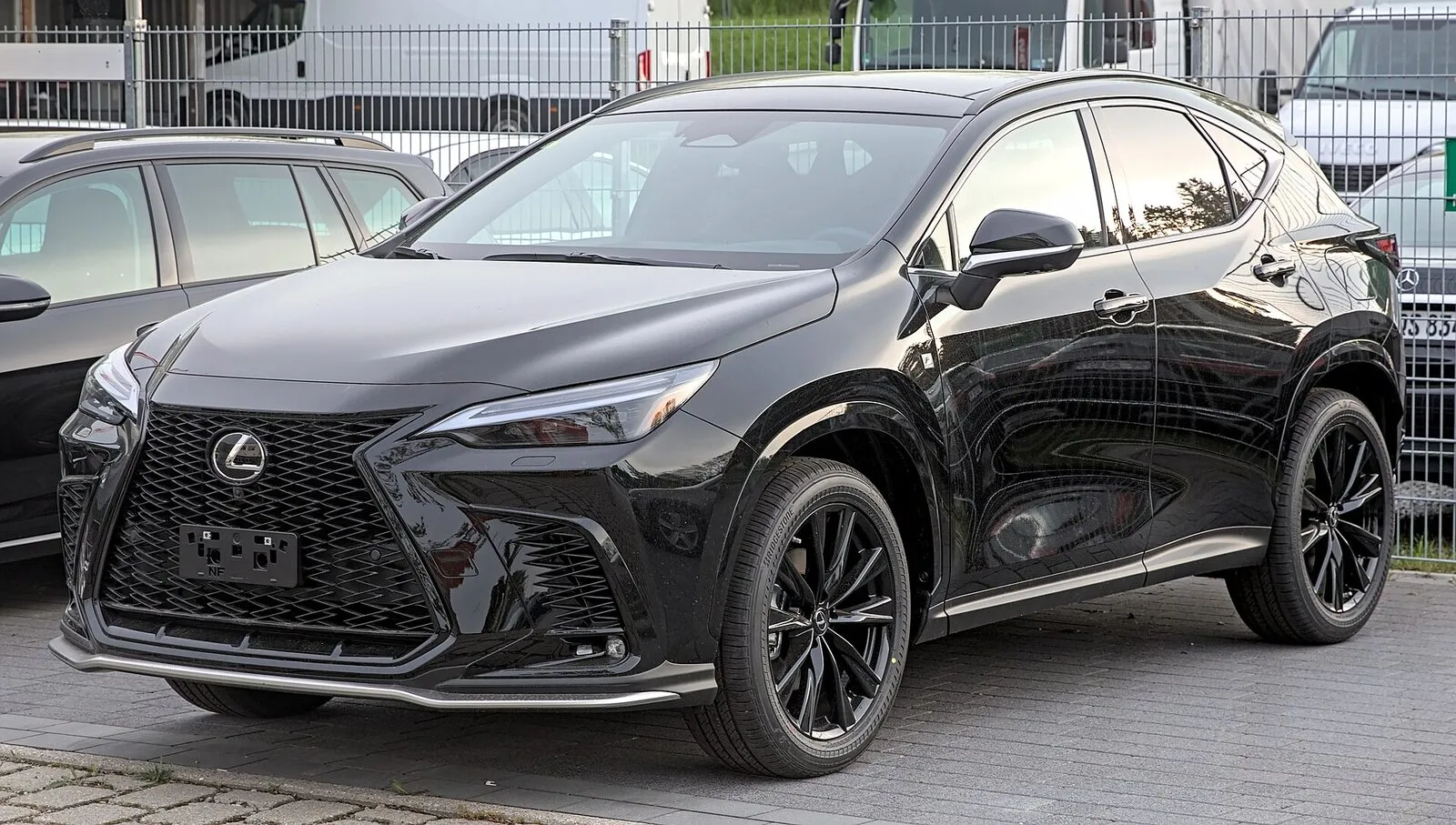
The luxury seat at the table, and no token entry: in J.D. Power's 2026 study Lexus was the top brand outright — for the fourth consecutive year — and the NX shares its hybrid hardware with the RAV4 while adding a quieter cabin and a longer warranty. What to watch: the NX 350h hybrid is the reliability pick over the 2.4-turbo NX 350; the plug-in NX 450h+ is excellent but adds a big battery — if you buy one, actually plug it in, because a PHEV driven empty is just a heavier hybrid. The touchpad-free infotainment since 2022 fixed the old complaint list.
Frequently asked questions#
What is the most reliable car in the US in 2026?
The Subaru Impreza. It tops Consumer Reports' 2026 predicted-reliability ranking with 80 points out of 100 — a compact hatchback with standard all-wheel drive, a naturally aspirated 2.0 boxer and a CVT Subaru has been refining since 2010. In J.D. Power's separate dependability study, the Lexus IS was the single most dependable model on the market.
Which car brand is the most reliable?
Lexus. It was the most dependable brand in J.D. Power's 2026 Vehicle Dependability Study for the fourth year in a row, with Toyota, Subaru and Honda close behind — eight of the ten models in this ranking come from those four brands.
Are hybrids reliable?
Toyota's are. Five of the ten cars here use the 2.5-litre hybrid system that has been running in taxi fleets for two decades, and none of them is on the list in spite of the hybrid — they are on it because of it. The weak point is not the traction battery but the small 12-volt one, which can die without warning after year three, plus brake rotors that rust because regenerative braking barely uses them.
Is it worth avoiding the first model year?
Yes, and the Tacoma proves it in both directions. The all-new 2024 truck launched with transmission complaints and a brake-line recall and would not have made this ranking a year ago; by 2026 Toyota had worked through it and both Consumer Reports and J.D. Power rate it well. Buying the same car two model years later costs nothing and skips the shakedown.
Do reliable cars still need maintenance?
Every powertrain on this list has exactly one failure mode that matters: neglected fluids. CVT fluid on the Subarus around 60,000 miles even though Subaru calls it inspection only, oil intervals that never get stretched on the Accord's 1.5 turbo, coolant and inverter service by the book on the Toyota hybrids. Reliable means fewer surprises, not none.
How do I spot a problem before the warning light comes on?
Watch your fuel economy. Consumption that creeps up over several tanks is often the first symptom of a failing sensor, a dragging brake or a clogging filter — weeks before anything shows on the dashboard. It only works if you measure between full tanks, which is exactly what a fuel log is for.
What this list is really telling you#
Read the pattern, not just the names: nine of ten entries are either naturally aspirated, hybrid, or mild-turbo powertrains that have been in production for five-plus years. In a year when average dependability is the worst J.D. Power has recorded since 2022, the winning move is boring, proven engineering — and skipping the first model year of anything, which Consumer Reports' own data keeps confirming.
The other half of reliability is on you. Every powertrain above has exactly one failure mode that matters — neglected fluids — and one early-warning system that costs nothing: your fuel log. Consumption that creeps up over weeks is often the first symptom of a problem long before a warning light. Brimly computes your real consumption automatically between full tanks, knows the service schedule and documented weak points of your exact engine, and reminds you before the typical failure window — not after. And before a road trip, the free trip cost calculator turns your real numbers into a budget, not the brochure ones.