Best-selling does not mean trouble-free — each of these five has a short, well-documented list of weak points. Cam phasers and the timing chain on the F-150's 3.5 EcoBoost, collapsed AFM/DFM lifters on the Silverado's V8 (the one fault here you should not keep driving on), the hybrid fuel tank that refuses to fill on the RAV4, front control arms and the 12V battery on the Model Y, and fuel-diluted oil on the CR-V's 1.5 turbo. Several of the worst ones are fixed free under a recall or a settlement, which is why a two-minute VIN check is the first thing to do.
.jpg)
Best-selling doesn't mean trouble-free. Every one of America's five most popular vehicles — the Ford F-150, Chevrolet Silverado, Toyota RAV4, Tesla Model Y and Honda CR-V — has a short list of well-documented weak points that owners run into again and again. Knowing them in advance is worth real money: most of these problems are cheap to fix early and expensive to ignore. This guide is based on the verified vehicle knowledge base we maintain for the Brimly app — the same data that powers its smart reminders and AI assistant.
For each car you'll find the typical symptoms, the mileage window where the problem usually appears, and what actually fixes it — including the cases where the repair should be free because a recall or service bulletin covers it.
The five at a glance#
- Ford F-150 (2015–2025): cam phasers, oil use and the 10-speed
- Chevrolet Silverado 1500 (2019+): the lifter problem you shouldn't drive through
- Toyota RAV4 (2019–2025): excellent engine, annoying details
- Tesla Model Y (2020+): suspension, the 12V battery and winter
- Honda CR-V (2017+): oil dilution and a steering recall
The whole article in one table — the headline fault of each car, when it usually shows up, and whether you can keep driving while you sort it out.
| Model | Headline fault | When it shows up | Keep driving? | Who pays |
|---|---|---|---|---|
| Ford F-150 | Cam phasers and timing chain — the 3.5 EcoBoost cold-start rattle | from about 50,000 mi (80,000 km) | Yes, but book the inspection | Service bulletin, not a recall — free only while in warranty |
| Chevrolet Silverado 1500 | Collapsed AFM/DFM lifter, which can score the camshaft | from as little as 10,000 mi (16,000 km) | No — a persistent top-end tick means stop | The 6.2 L87 rod defect is a recall: check the VIN |
| Toyota RAV4 | Hybrid bladder tank that will not take a full fill | from new, at any mileage | Yes — it costs range, not reliability | Dealer bulletin plus a class-action settlement; the 2019 fuel pump is a recall |
| Tesla Model Y | Front upper control-arm bushings and ball joints | 30,000–60,000 mi (48,000–96,000 km) | Yes, but do not live with the creak | A wear item, on you; the heat-pump valve was fixed over the air |
| Honda CR-V | Fuel dilution of the oil on the 1.5 turbo | short winter trips, from the first year | Yes, on a shortened oil interval | Software updates; the 2023+ sticky steering is a safety recall |
Mileages are where owners and bulletins report the fault clustering, not a guarantee — a well-serviced example can go much further, and a neglected one can get there sooner.
Ford F-150 (2015–2025): cam phasers, oil use and the 10-speed#
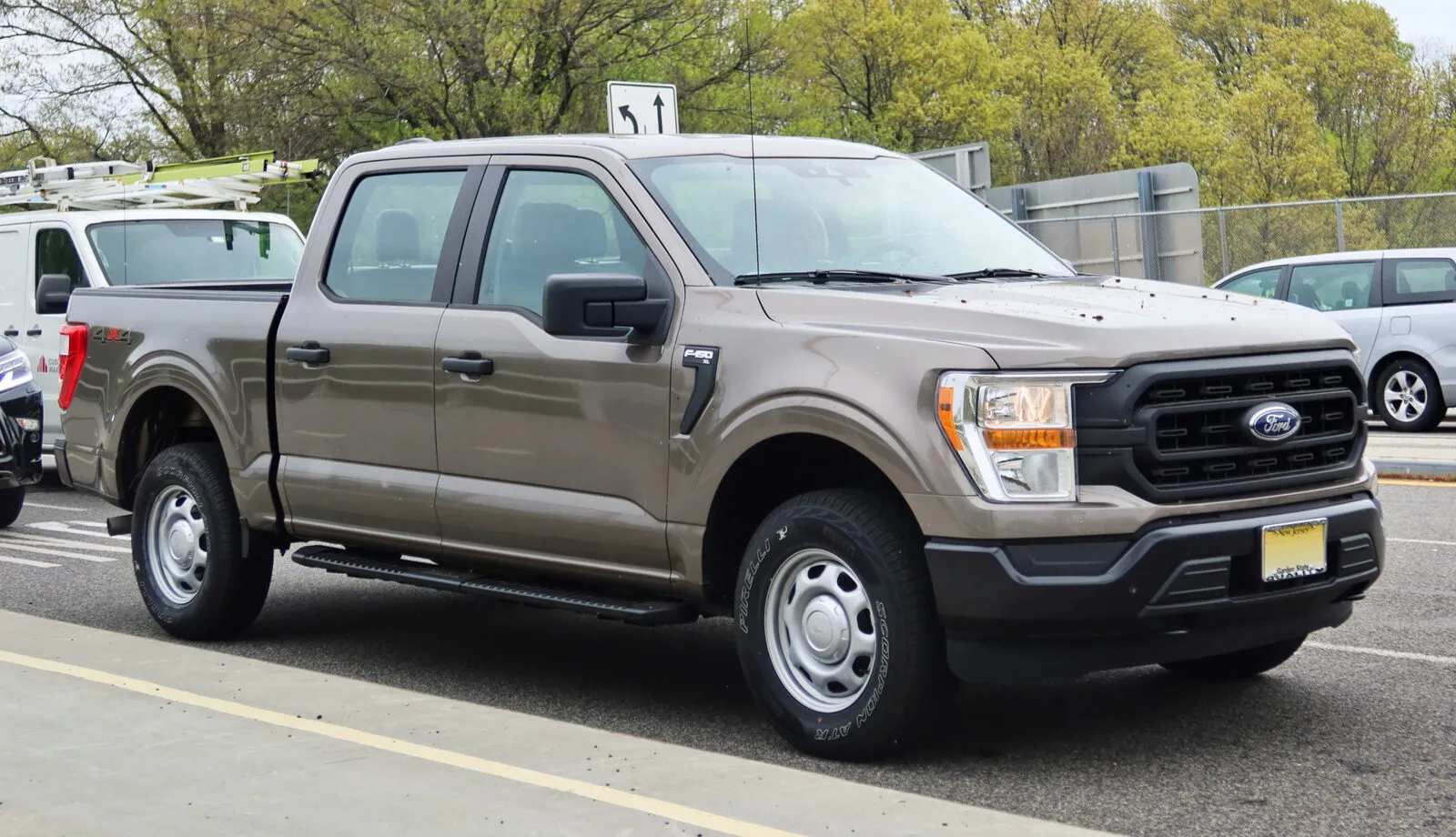

3.5 EcoBoost cold-start rattle — cam phasers and timing chain
The signature F-150 complaint: a few seconds of metallic rattle on a cold start that fades once the engine warms, typically from about 50,000 miles (80,000 km). It points to worn cam phasers and a stretching timing chain, and Ford has issued service bulletins for it. The fix: have it inspected before it progresses — the usual repair replaces the phasers and chain together. Strictly on-schedule oil changes with the correct specification slow the wear; ignoring the rattle eventually sets cam-timing fault codes and turns a maintenance job into a major one. The same rattle can appear on higher-mileage 14th-generation (2021+) trucks too.
5.0 V8 Coyote oil consumption
On 2018–2020 trucks especially, the 5.0 V8 can burn oil with no visible leak — the level simply drops between changes. The fix: check the dipstick regularly, top up as needed, and ask a dealer about the engine-control software update that reduces consumption. Keep records in case the case needs escalating.
10-speed automatic (10R80) harsh shifting
Clunky, jerky or delayed shifts, sometimes a clunk when going into gear. The fix: start with the dealer software update and an adaptive relearn; a fluid service often helps. Persistent cases can need valve-body work — address it while the warranty applies. On early 2015–2016 3.5 EcoBoost trucks there's also a known intercooler condensation stumble under hard acceleration in damp weather — a driveability nuisance cured by updated calibration, not a failure.
Chevrolet Silverado 1500 (2019+): the lifter problem you shouldn't drive through#
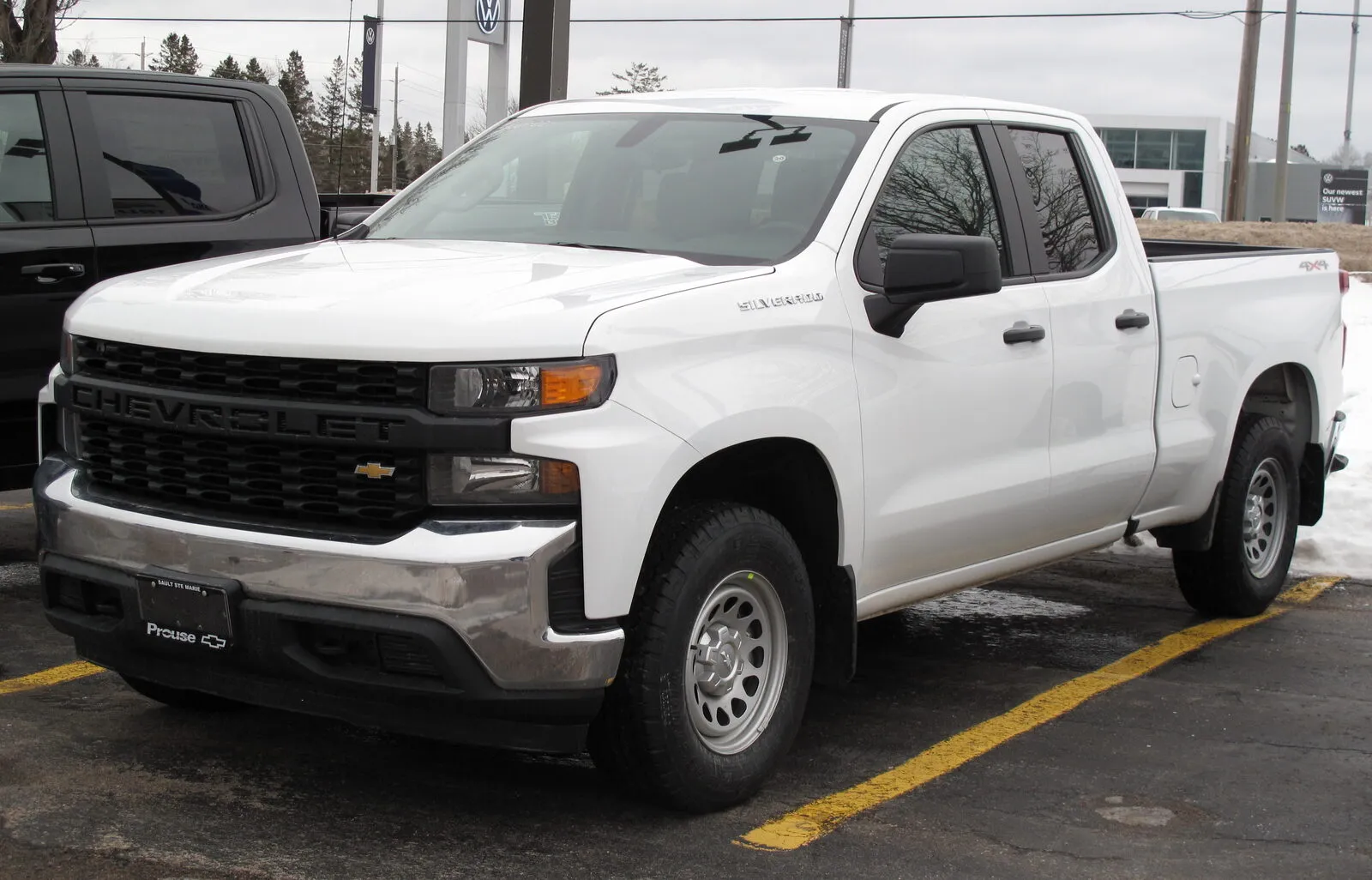

AFM/DFM collapsed lifters (V8)
The most serious issue on this list. The cylinder-deactivation lifters on the 5.3 and 6.2 V8 can collapse — sometimes as early as 10,000 miles — causing ticking or knocking, rough idle, misfire codes and reduced power. A collapsed lifter can score the camshaft. The fix: do not keep driving on a persistent top-end tick or misfire. Have the lifters and camshaft inspected promptly — caught early, the repair can save the cam and avoid a full rebuild.
6.2 V8 (L87) connecting-rod recall
Some 6.2 engines left the factory with manufacturing debris and out-of-spec rod and crank parts, which can end in sudden knocking or abrupt engine failure. The fix: check your VIN against the L87 recall and have the field remedy performed free of charge. Treat any new bottom-end knock as urgent.
Oil consumption and torque-converter shudder
The deactivation V8s can use up to about a quart of oil per 1,000 miles — check the level between changes rather than trusting the interval. The 8-speed automatic has a known torque-converter shudder at steady cruising speeds; the fix is the fluid-service procedure from GM's shudder bulletin, which usually clears it. The 2.7 turbo four had early injector-calibration issues — keep its software current.
Toyota RAV4 (2019–2025): excellent engine, annoying details#
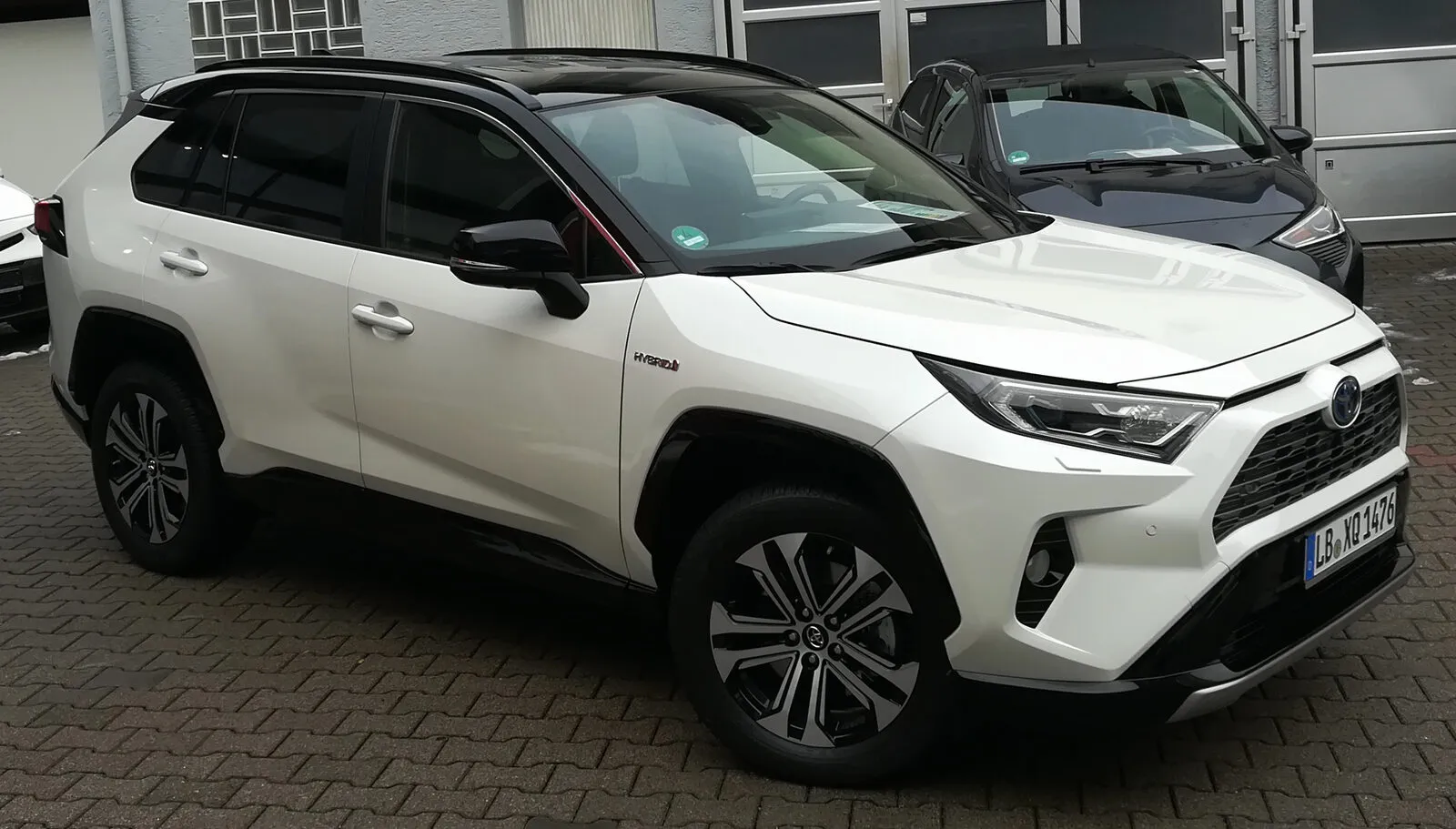

Hybrid fuel tank that won't fill up
On RAV4 Hybrid and Prime models with the bladder-style tank, the pump clicks off early and the tank accepts only part of its rated capacity — range drops accordingly. The fix: a dealer service bulletin (gauge recalibration, sender or tank replacement as needed). A class-action settlement and extended warranty covered many owners — check eligibility before paying out of pocket.
Low-speed hesitation from the 8-speed automatic
Gasoline 2019–2021 cars can hesitate or hunt for a gear pulling away from a rolling stop, then engage with a bump. It's shift software, not hardware. The fix: the current transmission control update at a dealer; a mechanical rebuild is rarely needed.
Denso fuel-pump recall and 12V battery drain
The 2019 RAV4 was part of Toyota's large Denso low-pressure fuel-pump recall — rough running or stalling means checking the VIN for the open campaign and getting the redesigned pump fitted free. Separately, cars that sit for a week or two can flatten the 12V battery; the fix is a battery maintainer for long parking and the latest head-unit software for the occasional infotainment freeze.
Tesla Model Y (2020+): suspension, the 12V battery and winter#
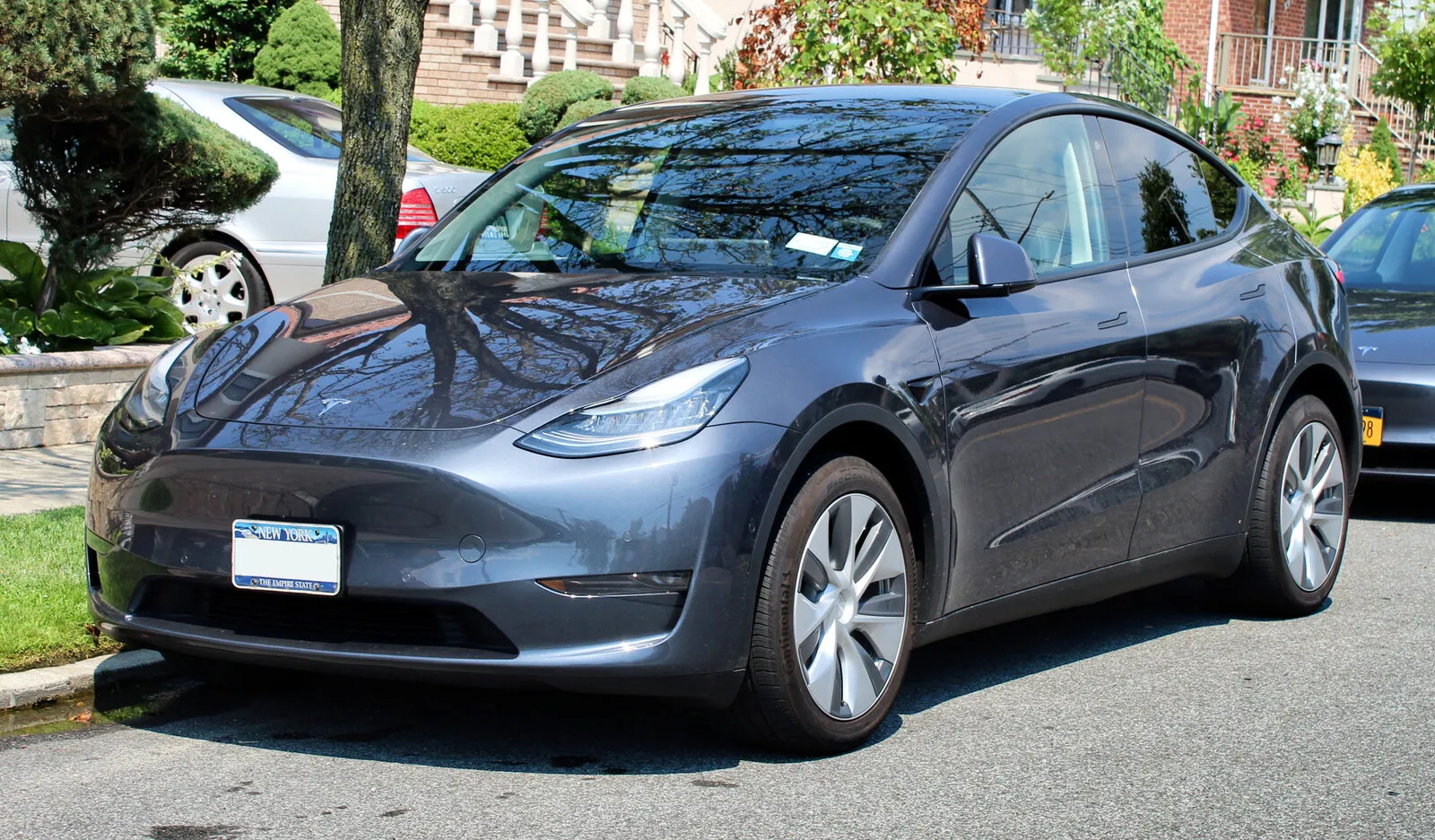

Front control-arm wear
Creaks or squeaks from the front end between roughly 30,000 and 60,000 miles (48,000–96,000 km) usually mean worn upper control-arm ball joints or bushings — a known wear point, more so on rough roads. The fix: have any front-end creak inspected and check for related service bulletins; it's a straightforward replacement.
12V auxiliary battery failure (2020–2021 cars)
Early cars used a lead-acid 12V battery that can die with little warning — the car may fail to wake, unlock, or start the high-voltage system. The fix: replace it proactively once it's aging or throwing low-voltage warnings. Later cars switched to a longer-lived lithium auxiliary battery.
Cabin heat and range in deep cold
Some 2021–2022 cars could intermittently lose cabin heat in severe cold from a sticking heat-pump valve — Tesla fixed it with an over-the-air campaign, so the fix is simply keeping software current. Losing around a quarter of rated range in freezing weather, though, is normal EV physics, not a fault: precondition while plugged in and plan accordingly. Finally, inspect panel gaps and trim carefully at delivery or when buying used — early cars are the most affected, and it's cosmetic but easier to fix while documented.
Honda CR-V (2017+): oil dilution and a steering recall#
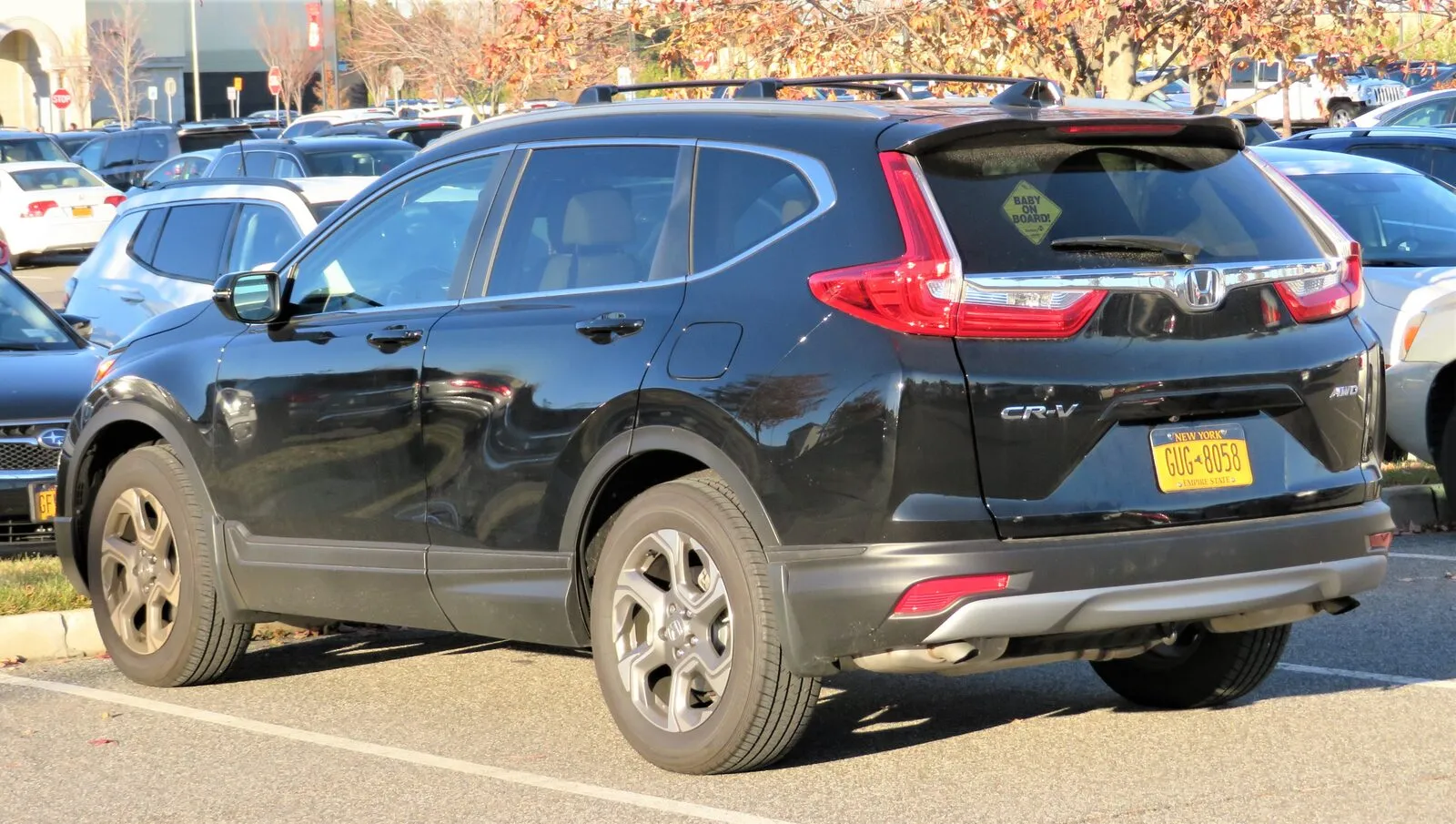

Fuel dilution of engine oil (1.5 Turbo)
The 1.5 Turbo's best-known trait: on short trips and in cold climates, gasoline can seep into the oil — the level on the dipstick rises and the oil smells of fuel; cold-weather misfires are possible. The fix: shorten oil-change intervals to about 3,000 miles (5,000 km) if you mostly drive short hops in the cold, let the engine reach full temperature regularly, and apply Honda's engine/transmission software updates. The sixth-generation (2023+) engine is much improved, but the habit of checking the oil level and smell is still worth keeping.
Sticky steering — a safety recall on 2023+ cars
Some sixth-generation cars have steering that momentarily sticks or takes extra effort before freeing up, mostly at highway speed. This is covered by a Honda safety recall. The fix: have the steering worm-gear spring and lubrication addressed at a dealer — and never ignore a change in steering effort.
A/C condenser pinhole leaks
On 2017–2022 cars the air conditioning can slowly stop cooling as refrigerant escapes through tiny condenser holes — no stone impact required. The fix: a leak test and condenser replacement; check Honda's extended condenser warranty for this era before paying.
Frequently asked questions#
What is the best-selling vehicle in America?
The Ford F-150 has been the best-selling vehicle in the United States for more than four decades, with the Chevrolet Silverado behind it. The Toyota RAV4 is the best-selling vehicle that is not a pickup, and the Tesla Model Y is the best-selling electric car.
Are best-selling cars more reliable than the rest?
Not automatically — sales rank reflects price, dealer reach and how well a vehicle fits American life, not its fault rate. What popularity does buy you is cheap parts, a mechanic who has already seen your problem, and faults documented in public bulletins and recalls, which is exactly what this list is.
Which problem here is the most expensive to ignore?
The Silverado's collapsed AFM/DFM lifter. The lifter itself is a modest part, but a collapsed one scores the camshaft, and driving on a persistent top-end tick turns a top-end job into a rebuild. That is why it is the only entry on this list with a stop-driving verdict.
How do I check whether my car has an open recall?
Enter the VIN in NHTSA's recall lookup or on the manufacturer's owner site. Recall work is free at any franchised dealer regardless of mileage or how many owners the car has had — the Silverado L87 rod campaign, the RAV4 fuel pump and the CR-V steering recall are all in that category.
Does the F-150 cold-start rattle mean the engine is about to fail?
No, but it is a countdown rather than a quirk. A few seconds of metallic rattle on a cold start points at worn cam phasers and a stretched timing chain. Inspected early it is a defined repair; ignored long enough it sets cam-timing codes and takes the chain guides with it.
How often should I check the oil on these cars?
Once a month, with the engine warm and the car level. Half the engines here either consume oil — the 5.0 V8 and the cylinder-deactivation V8s — or dilute it with fuel, like the 1.5 turbo, where the level on the dipstick goes up and the oil smells of gasoline. The dipstick notices all of that long before the dashboard does.
How to stay ahead of all of this#
Three habits cover most of the list. First, check your VIN for open recalls — several of the most serious problems here (Silverado L87, RAV4 fuel pump, CR-V steering) are fixed free. Second, check the oil level monthly, not just at changes — half the engines on this list either burn oil or dilute it. Third, read fault codes the moment a light comes on: a $20 OBD-II adapter names the problem in a minute, and early diagnosis is the difference between replacing lifters and replacing an engine.
A fuel log helps more than most people expect: creeping consumption is often the first symptom of a mechanical problem. Brimly computes your real consumption automatically between full tanks, knows the service schedule and documented weak points for your exact engine, and reminds you before the typical failure window. And if you're planning a trip in the meantime, our free trip cost calculator works with your real numbers, not the window sticker.