
At $4.27 a gallon, a hybrid pays back its extra price only when two things line up: you drive plenty of miles, and a good share of them in town. A 2026 Corolla Hybrid earns back its $1,850 premium over the gas Corolla in about four years at 12,000 miles a year; a CR-V Hybrid needs about six against a comparable gas trim — and both stretch if gas falls to the $3.56 the EIA expects for 2027. Don't pay a fuel-shock markup for a used hybrid, and measure what your current car really burns before you decide.
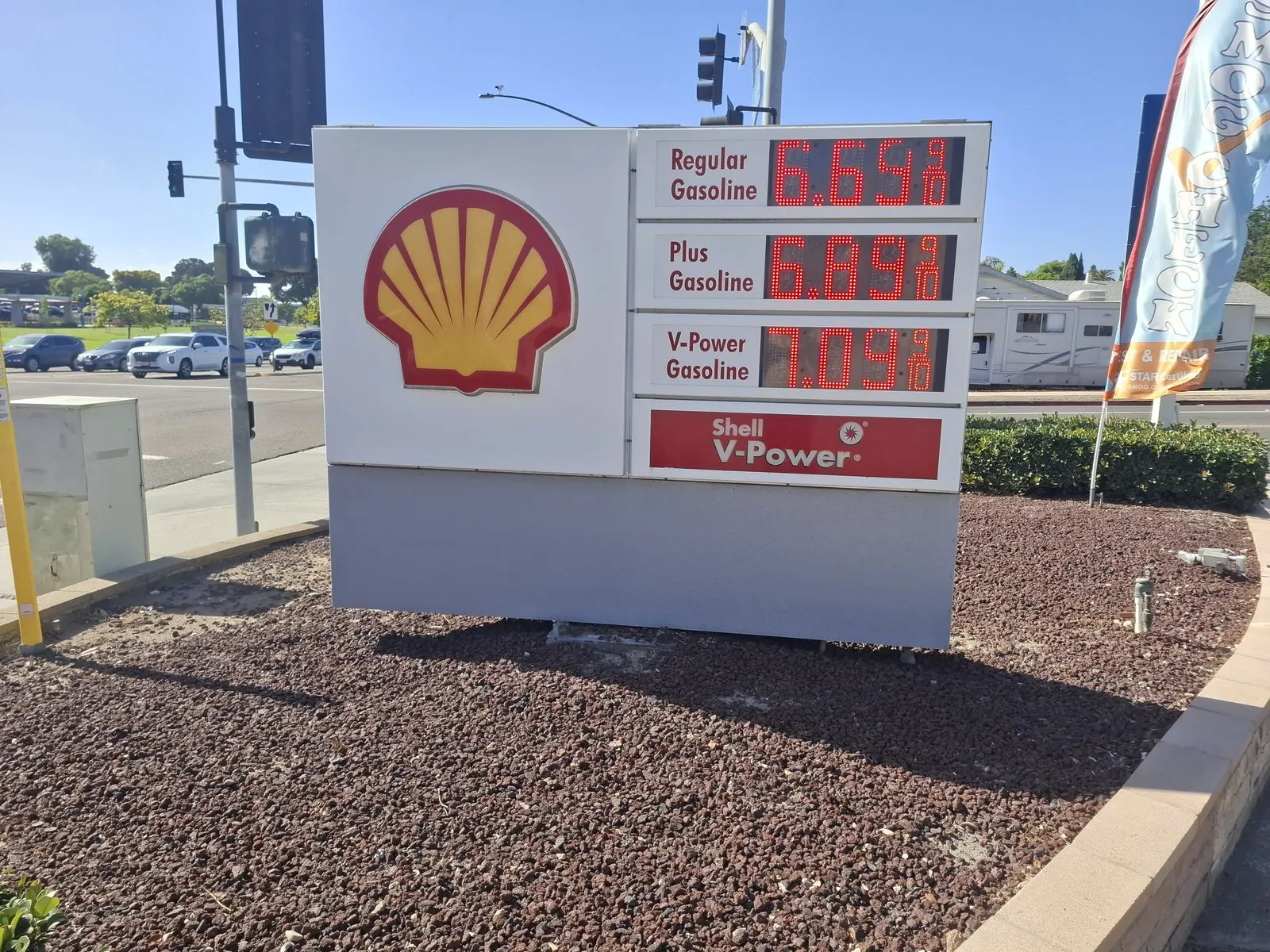

Every fill-up this fall has come with sticker shock. Regular gas is more than a dollar dearer than a year ago, diesel has jumped nearly three, and hybrid sales are up by a quarter as shoppers run for cover. The question in every showroom is the same: is now the time to buy a hybrid? The honest answer is arithmetic, not mood — and the arithmetic depends on numbers only you have: how far you drive, where you drive, and what your current car really burns. Here is what the price spike actually costs, the break-even math on real 2026 models, the trap in the used market, and a calculator that runs your own numbers.
Why gas costs $4.27 — and where it's heading#
AAA put the national average for regular at $4.27 a gallon on October 27, 2026 — $1.21, or 40%, above the $3.05 of a year earlier. September averaged $4.33, a record for the month (the old one was $3.83 in 2023), and 2026 is the first year the national average has stayed above $4 into October; it has been there since late July. It is not the all-time high — that remains the $5.02 of June 2022 — but it is the most expensive autumn on record. Diesel hurts more: $6.35, up 73% in a year.
| Fuel | Oct 27, 2026 | A year earlier | Change |
|---|---|---|---|
| Regular | $4.27 | $3.05 | +40% |
| Premium | $5.17 | $3.90 | +33% |
| Diesel | $6.35 | $3.66 | +73% |
AAA national averages per gallon, October 27, 2026 and a year earlier.
The driver is crude oil, back near $100 a barrel. The Energy Information Administration's October outlook assumes Middle East oil flows through the Strait of Hormuz stay constrained through the end of 2026, and points to attacks on Saudi Arabia's East-West pipeline — the route that bypasses the strait — as a source of continued volatility; it puts Brent at $105 a barrel for the fourth quarter. Diesel is tighter still: East Coast distillate stocks fell 32% below their five-year average in September. The seasonal switch to cheaper winter-blend gasoline is shaving a few cents a week off pump prices, but that is a nudge, not a reversal.
Where next? The EIA expects regular to average $3.56 in 2027 and diesel $4.49, with Brent easing to $84. Treat it as a forecast, not a promise: the same outlook raised its oil path by $14 a barrel in one month. For a car you will keep for years, it is safer to run the numbers at both today's price and the forecast one — which is exactly what the tables below do.
What the price spike costs you per year#
The extra is easy to compute: gallons you burn in a year times the dollar-twenty increase. At 12,000 miles a year — close to the national average for a household car — the bill looks like this:
| Your car's real mpg | Gallons a year | At $3.05 | At $4.27 | Extra per year |
|---|---|---|---|---|
| 20 mpg (big SUV, pickup) | 600 | $1,831 | $2,560 | +$728 |
| 25 mpg (midsize SUV) | 480 | $1,465 | $2,048 | +$583 |
| 30 mpg (compact SUV) | 400 | $1,221 | $1,706 | +$486 |
| 35 mpg (compact sedan) | 343 | $1,046 | $1,463 | +$416 |
| 50 mpg (compact hybrid) | 240 | $732 | $1,024 | +$291 |
12,000 miles a year; AAA regular averages of October 27, 2026 and a year earlier.
So for a typical 25-mpg family SUV, the spike is about $49 a month. Real money, but not a car payment — which is worth remembering before signing for a $35,000 vehicle to save it. Diesel owners have the stronger case for alarm: an 18-mpg diesel pickup doing the same 12,000 miles now spends about $1,790 a year more than last fall.

The hybrid break-even formula#
Whether a hybrid pays off comes down to one division. Work out the gallons it saves you in a year — miles ÷ the gas car's mpg − miles ÷ the hybrid's mpg — multiply by the price per gallon, and divide the hybrid's extra purchase price by that. The result is the payback time in years. Two things in that formula are easy to get wrong.
Mpg is not linear. Going from 25 to 35 mpg saves 137 gallons over 12,000 miles; going from 40 to 50 saves only 60, though both are "10 mpg better." Replacing a thirsty car is where the money is. And the sticker is not your mpg. Hybrids are the cars that miss their EPA rating the most in winter and at highway speed — owners of the 2019–2025 RAV4 Hybrid average about 37 mpg against its 40 — so put in the numbers from your fill-up log, not the brochure. If you have never measured your real mpg, the full-tank method takes two fill-ups.
Hybrid payback calculator
- The hybrid pays for itself in
- 5.8 years
- Fuel saved per year
- $427
- Net over the years you keep it
- $509
- Gas price at which it just breaks even
- $3.54
Fuel only: insurance, maintenance and resale value are left out. Use your car's real mpg from your fill-up log, not the window sticker — hybrids miss their EPA number by more in winter and at highway speed.
The example above is the CR-V pair from the next section: at $4.27 the hybrid comes out about $500 ahead over seven years, and the bottom line is the useful one — it only just breaks even at $3.54 a gallon, almost exactly the EIA's 2027 forecast. Change the pump price to $3.05, last year's, and the same hybrid loses money over the same seven years.
Real gas-versus-hybrid pairs, priced for 2026#
The cleanest test is a car sold both ways. Here are two of the best-selling, with EPA combined ratings from fueleconomy.gov and launch prices for the 2026 model year:
| Pair | EPA combined | Hybrid costs | Saved at $4.27 | Payback at $4.27 | Payback at $3.56 |
|---|---|---|---|---|---|
| Corolla LE → Corolla Hybrid LE | 34 → 50 mpg | +$1,850 | $482 / yr | 3.8 yrs | 4.6 yrs |
| CR-V EX → CR-V Sport Hybrid, FWD | 30 → 40 mpg | +$2,480 | $427 / yr | 5.8 yrs | 7.0 yrs |
| CR-V LX → CR-V Sport Hybrid, FWD | 30 → 40 mpg | +$4,710 | $427 / yr | 11.0 yrs | 13.2 yrs |
12,000 miles a year. Toyota prices exclude the $1,195 destination charge, Honda prices include its $1,395 — the difference between the two versions is what matters. Fuel only: insurance, maintenance and resale are not counted.
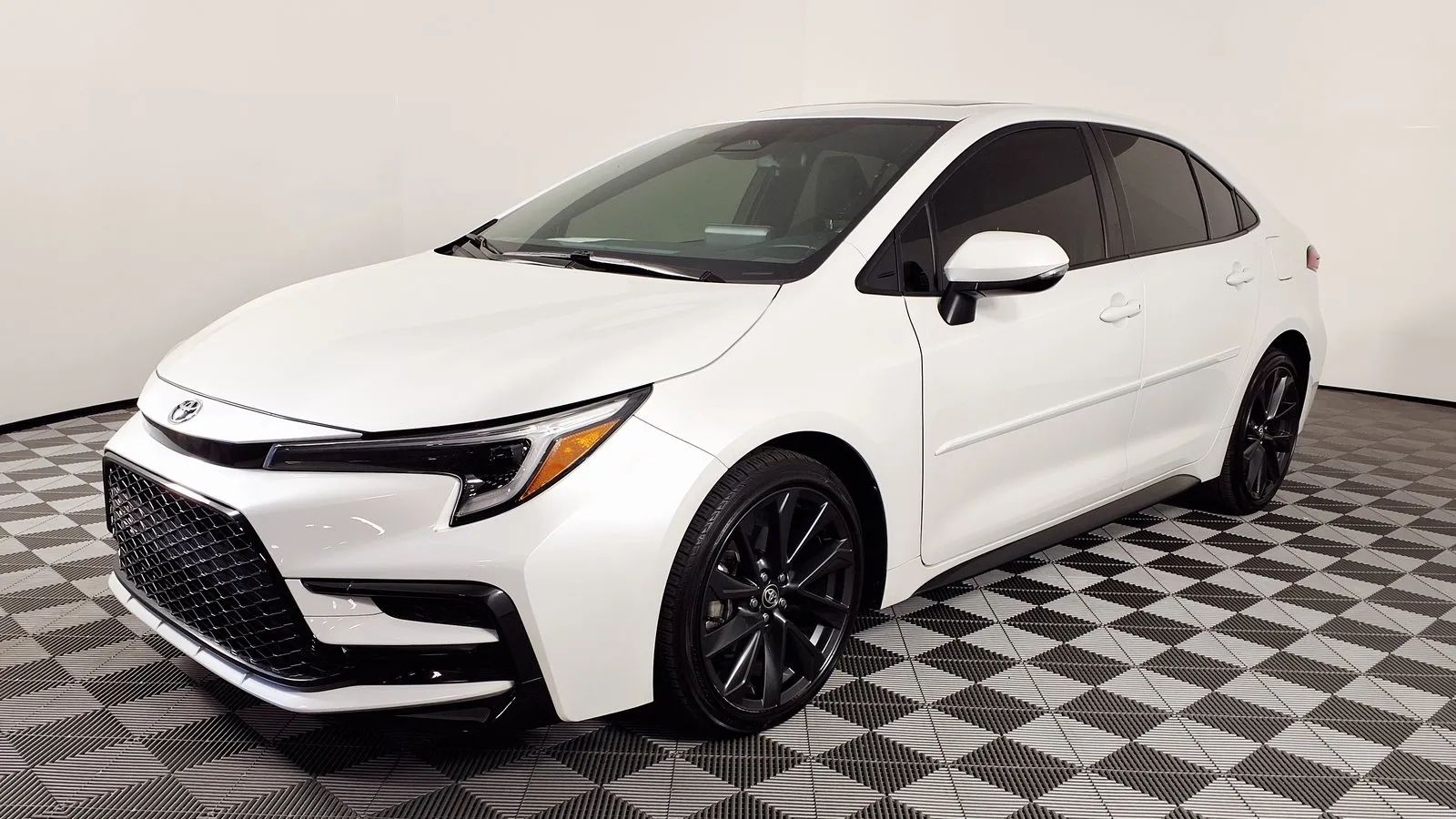

The Corolla is the easy call: a small premium and a huge mpg jump. The CR-V shows the catch — the payback depends on which gas trim you call the baseline. Against the base LX, the Sport Hybrid looks like an eleven-year bet, but it also brings equipment the LX lacks; against the EX, which is closer in kit, it is under six. Compare like with like, or the hybrid gets blamed for options. And at some dealers the choice has already gone: the current Camry and the 2026 RAV4 are sold in the US only as hybrids, so there the question is not whether to pay for a hybrid, but which car to buy.
The tables leave out two things that lean the hybrid's way. Brakes last longer, because regenerative braking does much of the work. And hybrids hold their value well — right now unusually well, which is the next section's problem.
City miles are where a hybrid earns its keep#
A hybrid's advantage lives in stop-and-go traffic, where it recovers braking energy and runs on the battery at low speed. On the open highway the engine does nearly all the work, and the gap nearly closes. The EPA's split ratings show it plainly:
| Model | City, gas → hybrid | Highway, gas → hybrid | Saved per 10,000 city miles | Saved per 10,000 highway miles |
|---|---|---|---|---|
| Corolla | 31 → 53 mpg | 38 → 46 mpg | $571 | $195 |
| CR-V, FWD | 28 → 43 mpg | 33 → 36 mpg | $531 | $108 |
EPA city and highway ratings, 2026 models; savings at $4.27 a gallon.
A suburban commuter who spends the day in traffic and on school runs saves three to five times more per mile than someone who drives 60 miles of interstate to work. If your fill-up log shows a car already close to its highway rating, a hybrid will do less for you than the combined number suggests.
The used-hybrid trap: don't pay for the panic#
The rush is real. CarGurus' third-quarter 2026 report has new hybrid sales up 24% for the year, and a new RAV4 Hybrid lasting about 15.6 days on a dealer lot. When new ones are that hard to find, buyers turn to used ones — and in the same report, used 2026 RAV4 Hybrids were listed at about 116% of their new sticker price. The Los Angeles Times found one listed $6,040 above its original MSRP.
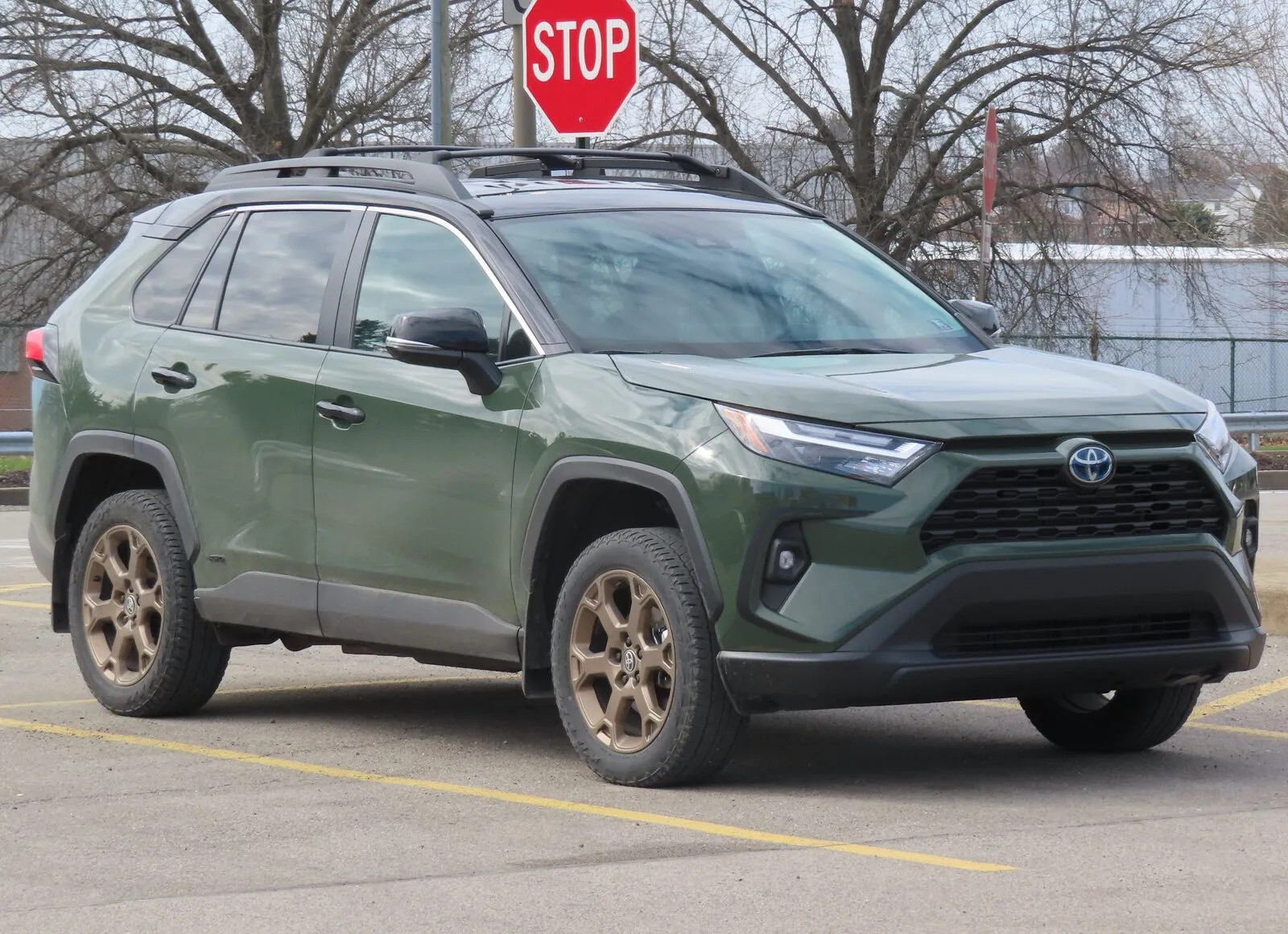

Run that markup through the formula. A RAV4 Hybrid rated 43 mpg against a 30-mpg car saves about 121 gallons over 12,000 miles — $516 a year at $4.27. A $5,000 markup alone takes almost ten years to earn back, before the hybrid has saved you a cent. Prices bid up by a fuel shock also tend to fall when the shock fades, and if gas drifts toward the EIA's $3.56, today's premium is the first thing to go. If you want a hybrid, order a new one at sticker, or buy a model the crowd isn't chasing — and if your current car is paid off and healthy, keeping it is often the cheapest move of all; the full cost of owning a car shows why depreciation, not fuel, is usually the biggest line.
What you can do this week without buying anything#
- Measure your real mpg. Fill up to the click, log the odometer, repeat at the next fill. That one number tells you what the spike really costs and whether a hybrid would pay — and a sudden drop is often the first sign of a sticking brake or a failing sensor.
- Check whether premium is required or just recommended. Premium now costs $0.91 a gallon more than regular — about $435 a year on a 25-mpg car at 12,000 miles. If the owner's manual says "recommended," regular is usually fine; we went through what really happens when you run regular instead of premium.
- Drive for the meter. Smooth starts, earlier lifts and a few mph less on the highway are the biggest free lever there is — see how driving style affects fuel consumption.
- Keep the tires at the door-jamb pressure. fueleconomy.gov puts the gain at 0.6% on average and up to 3% — small, but it costs nothing.
- Budget trips with real numbers. Before a long drive, price it in the free trip cost calculator with your real mpg and today's gas price.
Frequently asked questions#
Is a hybrid worth it with gas over $4 a gallon?
Often, but not automatically. At $4.27 a gallon and 12,000 miles a year, a 2026 Corolla Hybrid pays back its $1,850 premium over the gas Corolla in about 3.8 years, and a CR-V Hybrid pays back its premium over a comparable gas trim in about 5.8. The more of your driving is in town, the faster it pays; mostly-highway drivers save far less.
How many miles a year do I need for a hybrid to pay off?
For a five-year payback at $4.27 gas: about 9,200 miles a year for the Corolla Hybrid against the gas Corolla, and about 14,000 for the CR-V Hybrid against a CR-V EX. If gas falls to the $3.56 the EIA forecasts for 2027, those become roughly 11,000 and 16,700 miles.
Will gas prices go down in 2027?
The EIA's October 2026 outlook expects regular to average about $3.56 a gallon in 2027 and diesel about $4.49, as Middle East oil flows recover. That is a forecast, not a promise — the same outlook raised its oil-price path by $14 a barrel in a single month.
Should I buy a used hybrid right now?
Only at a fair price. CarGurus found used 2026 RAV4 Hybrids listed at about 116% of their new sticker in the third quarter of 2026. A $5,000 markup alone takes almost ten years of fuel savings to recover at today's prices — order a new one, or wait for the panic to fade.
Is an EV cheaper to run than a hybrid at these prices?
Charged at home, usually yes. On public chargers at AAA's October average of 41 cents per kWh, an EV doing 3.5 miles per kWh costs about 12 cents a mile — more than a 50-mpg hybrid at $4.27 gas, which costs about 8.5 cents.
Will a hybrid battery replacement wipe out the savings?
Rarely. Hybrid packs typically carry an 8-year/100,000-mile warranty — 10 years/150,000 miles in California-emission states — and Toyota covers its hybrids from 2020 on for 10 years or 150,000 miles everywhere. Most packs outlast that, and a tired one announces itself with falling mpg long before it fails.
The takeaway: run your own numbers, not the headlines#
Record-high gas makes a hybrid look like an obvious answer, and for a lot of drivers it is a good one — a high-mileage, mostly-in-town driver buying new at sticker will usually see the premium back in four to six years. But the payback is personal: it moves with your miles, your mix of city and highway, the trim you compare against and the price you actually pay, and it stretches by a year or more if gas eases as forecast. The one input nobody else can give you is your car's real fuel economy. Brimly computes it honestly between full tanks, tracks what fuel costs you each month and keeps the whole record on your phone — so when you sit down with the calculator above, the numbers you type in are your own.