
A U-code does not say a part has failed. It says one of the car’s computers stopped hearing another — U0100 the engine computer, U0101 the transmission, U0121 the ABS. The usual reason is electrical and cheap: a weak battery, a loose terminal, a blown fuse, or something spliced into the wiring. Check those in that order before anyone quotes a control module, because the module is the least likely cause and the most expensive guess.
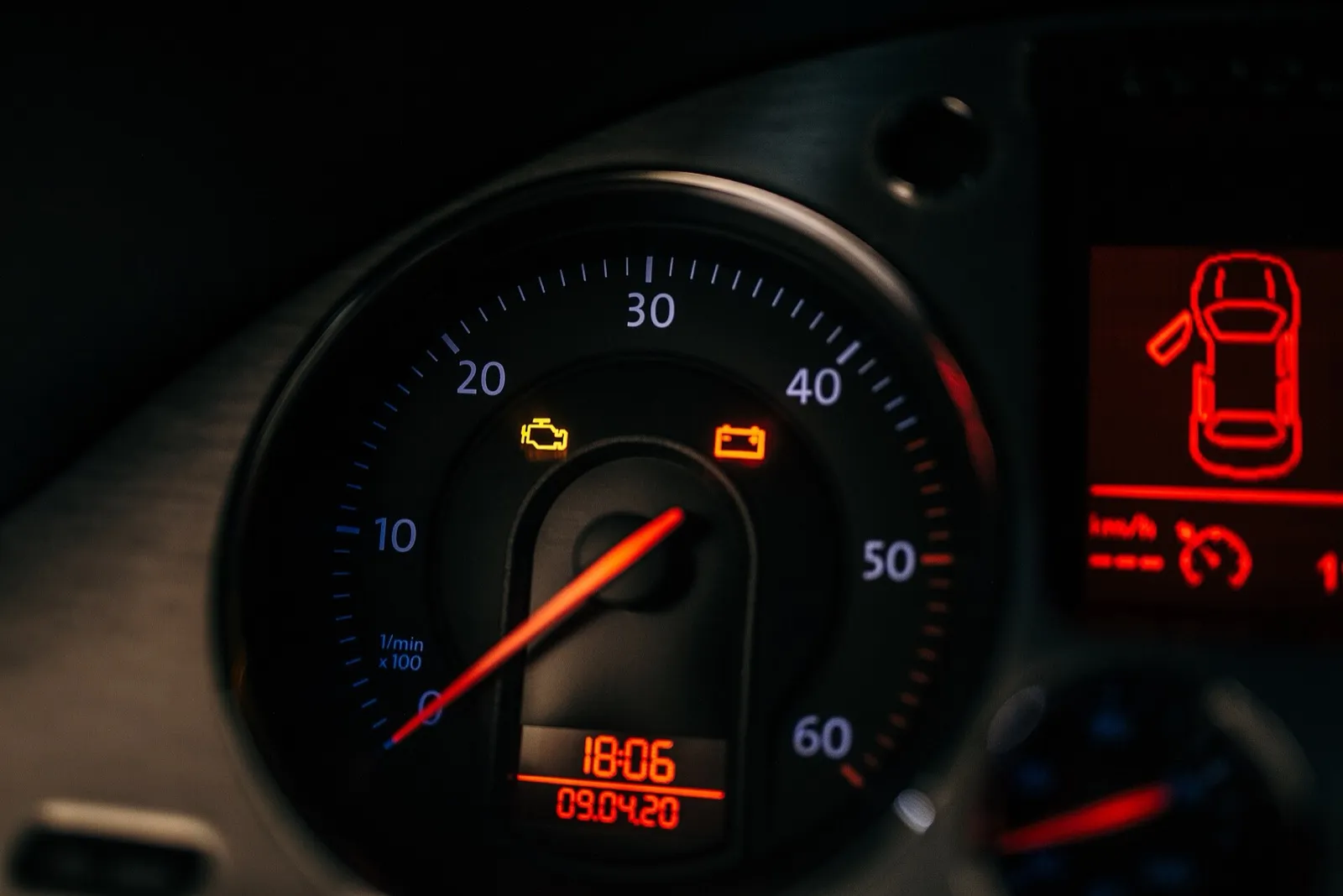

It tends to happen on the first cold morning of the season, or the day after a jump start: three warning lamps where there were none, a scan that returns a list of codes starting with U instead of the familiar P, and an estimate that mentions a “module”. U-codes read as if the car’s electronics were falling apart. Usually the opposite is true — the computers are fine and are reporting, accurately, that for a moment they could not hear each other. This guide covers what the code literally says, why the battery is the first suspect, a five-step check you can do in a driveway, which U-codes are safe to drive on, and what the honest repair costs in the United States in 2026.
What a U-code actually says#
A modern car is a network. The engine computer, the transmission computer, the ABS unit, the airbag module, the instrument cluster and dozens of others — over a hundred on a loaded luxury car — exchange messages many times a second over a pair of twisted wires called the CAN bus, which every car sold in the US has used for diagnostics since the 2008 model year. Each module expects to hear certain others on schedule. When one goes quiet for longer than it should, the modules that were listening store a code.
That gives the rule that prevents most wrong repairs: the code names the module that went silent, and it is stored by the one that was listening. A U0121 found in the engine computer does not mean the engine computer is faulty. It means the engine computer could not hear the ABS module — and the question is why the ABS module stopped talking: no power, no ground, a broken wire, or, last of all, a failed module.
U = network: the wiring and messages between the car’s computers. P = powertrain, B = body, C = chassis.
0 = generic SAE code, the same on every brand. U1xxx and U2xxx are manufacturer-specific — Nissan’s U1000 is the famous one.
0 = the bus itself (wiring, voltage). 1 and 2 = lost communication with a module. 3 = software mismatch. 4 = invalid data received.
The module that went silent: 00 = engine computer, 01 = transmission, 21 = ABS, 40 = body computer, 51 = airbags, 55 = instrument cluster.
The third character sorts the U-codes into four families, and they are not equally serious. U00xx codes describe the bus itself — its wiring and voltage. U01xx and U02xx are the “lost communication” codes this article is about. U03xx means two modules run software that does not match, which almost always follows a module replacement. U04xx means the messages arrive but make no sense to the receiver. Every generic code has its own page in our OBD2 code directory.
Which module went silent: ten common codes at a glance#
| Code | Silent module | What you notice | Keep driving? | Check first |
|---|---|---|---|---|
| U0100 | Engine computer (ECM/PCM) | Stalling or a no-start, a dead tachometer, several lamps at once | No — tow it if it stalls | Battery, the engine-computer fuses and main relay, the engine ground strap |
| U0101 | Transmission computer (TCM) | Stuck in one gear (limp mode), harsh or no shifts, no gear readout | To the shop, gently | Battery, the transmission-computer fuse, the connector on the transmission case |
| U0103 | Gear shift module | The shifter does not respond or the car will not leave Park | No, if it will not select a gear | Battery, the shifter fuse, anything spilled into the console |
| U0121 | ABS module | ABS and traction-control lamps, sometimes a dead speedometer | Carefully — the brakes work, ABS does not | Battery, the ABS fuses, the connector at the ABS unit |
| U0126 | Steering angle sensor | Stability-control lamp, lane-keeping and cruise assist switched off | Yes, without the assists | Battery; whether the steering column or the wheel was recently worked on |
| U0129 | Brake system control module | Brake warning lamp; on hybrids and EVs, changed pedal feel | Not if the pedal feels different | Battery (on a hybrid, the 12 V auxiliary one), the brake-control fuses |
| U0131 | Power steering module | Steering lamp, heavy steering | No — the wheel can go heavy mid-corner | Battery and charging voltage, the power-steering fuse |
| U0140 | Body control module (BCM) | Locks, windows, wipers or lighting misbehaving | Yes, if the lights and wipers work | Battery, the body-computer fuses, water in the footwell or fuse box |
| U0151 | Airbag module (restraints) | Airbag lamp stays on | It drives, but the airbags may not fire | Battery, the airbag fuse, connectors under the front seats |
| U0155 | Instrument cluster | Gauges dead or frozen, warning lamps all lit or all dark | Not without a speedometer | Battery, the cluster fuse, the connector behind the cluster |
Notice the last column: every row starts with the same word. That is not laziness, it is the statistics of the fault.
Why it is usually the battery#
A control module is a small computer, and like any computer it restarts when its supply voltage drops too far. The moment of greatest stress is the engine start: the starter pulls hundreds of amps, and a tired battery sags well below its resting voltage for a second or two. Most modules ride through it. One or two, often the ones at the end of a long wire or behind a slightly corroded ground, reset — and for that instant every other module on the network hears nothing from them and writes down a lost-communication code. The engine starts, everything works, and the codes stay in memory.
How common is a weak battery? It is the single largest reason cars stop. AAA answered more than 27 million roadside calls in 2024, and about 7 million of them were battery problems; in Germany the ADAC’s 2026 breakdown statistics attribute 45.4% of all call-outs to the 12-volt battery. A battery does not have to be dead to cause U-codes — it only has to be weak enough to dip during cranking, which happens months before the morning it fails to start the car.
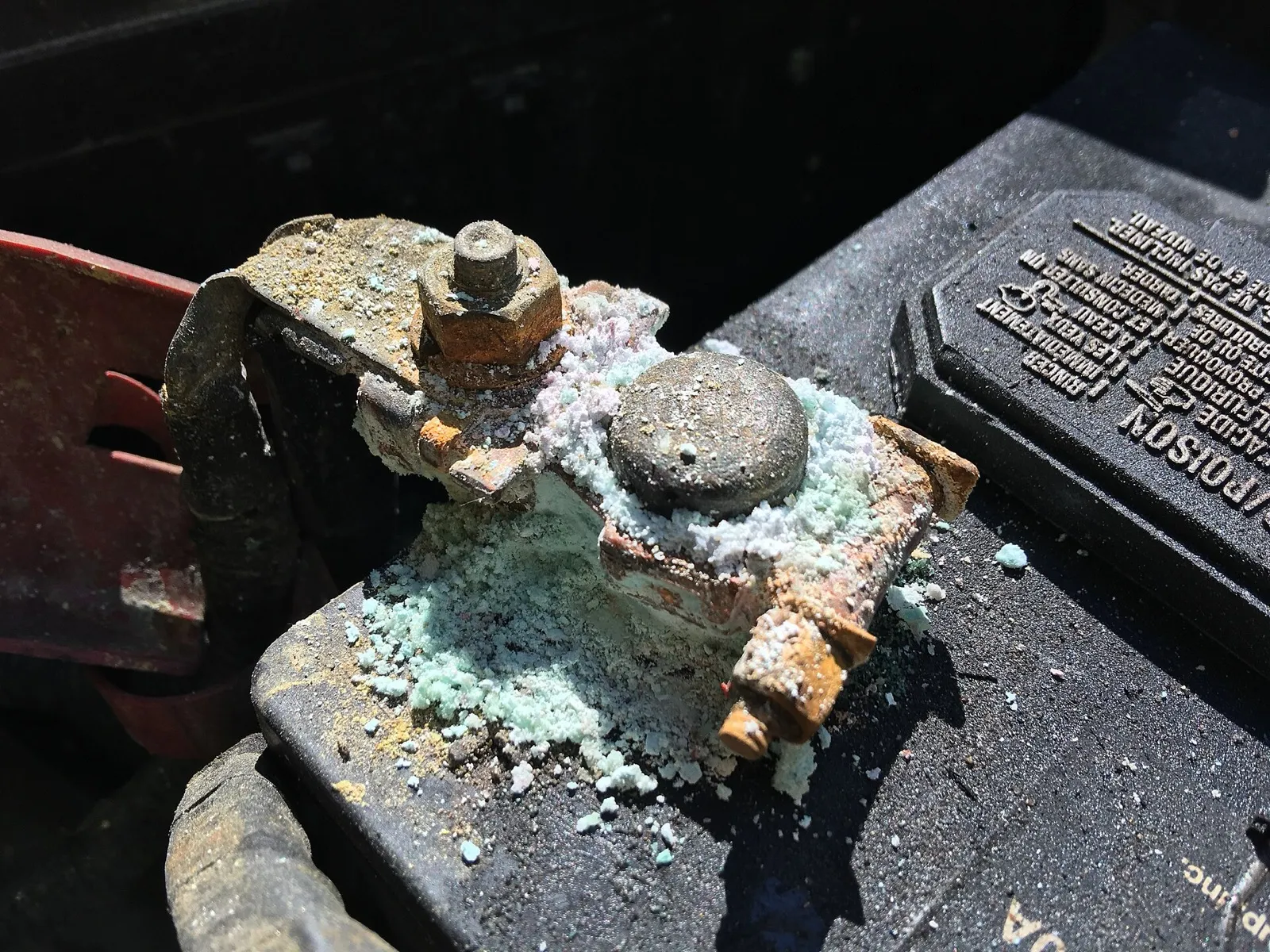

A $15 multimeter answers the question in two minutes. Measure across the battery posts — the posts themselves, not the clamps:
| When | Reading | What it means |
|---|---|---|
| Engine off, rested an hour | 12.6 V or more | Fully charged |
| Engine off, rested an hour | 12.2–12.4 V | Half to three-quarters charged — charge and retest |
| Engine off, rested an hour | 12.0 V or less | Discharged or failing |
| While cranking | Below about 9.6 V | Too weak to hold the modules up — the usual source of U-codes |
| Engine running | About 13.5–14.7 V | The alternator is charging |
Then repeat the cranking measurement on the clamps instead of the posts. If the clamps read noticeably lower than the posts, the battery is fine and the connection is not: clean and tighten the terminals, and follow the thick black cable to where it bolts to the body and the engine — a loose or rusty ground strap produces exactly the same codes.
Hybrids deserve a separate line. A hybrid has a large high-voltage battery for driving and a small 12-volt auxiliary battery that boots the computers and closes the main relays. The small one is the one that ages quietly, because no starter ever tests it. When it weakens, the car can light up with brake-system, steering and hybrid-system warnings and store a wall of U-codes — U0100, U0129 and others — while the expensive battery is perfectly healthy. On a hybrid, test the 12-volt battery before believing anything else on the scan.
The five-step check, cheapest first#
- Count the codes and note when they appeared. Many U-codes across different modules, all at once, mean a power or ground problem shared by the whole car. A single U-code that always names the same module points at that module’s own fuse, connector or wiring. If the car was jump-started, had its battery changed or sat unused for weeks just before the codes showed up, you already have the leading theory.
- Test the battery and its connections as described above: resting voltage, cranking voltage, charging voltage, terminals, ground straps. Most U-code stories end here.
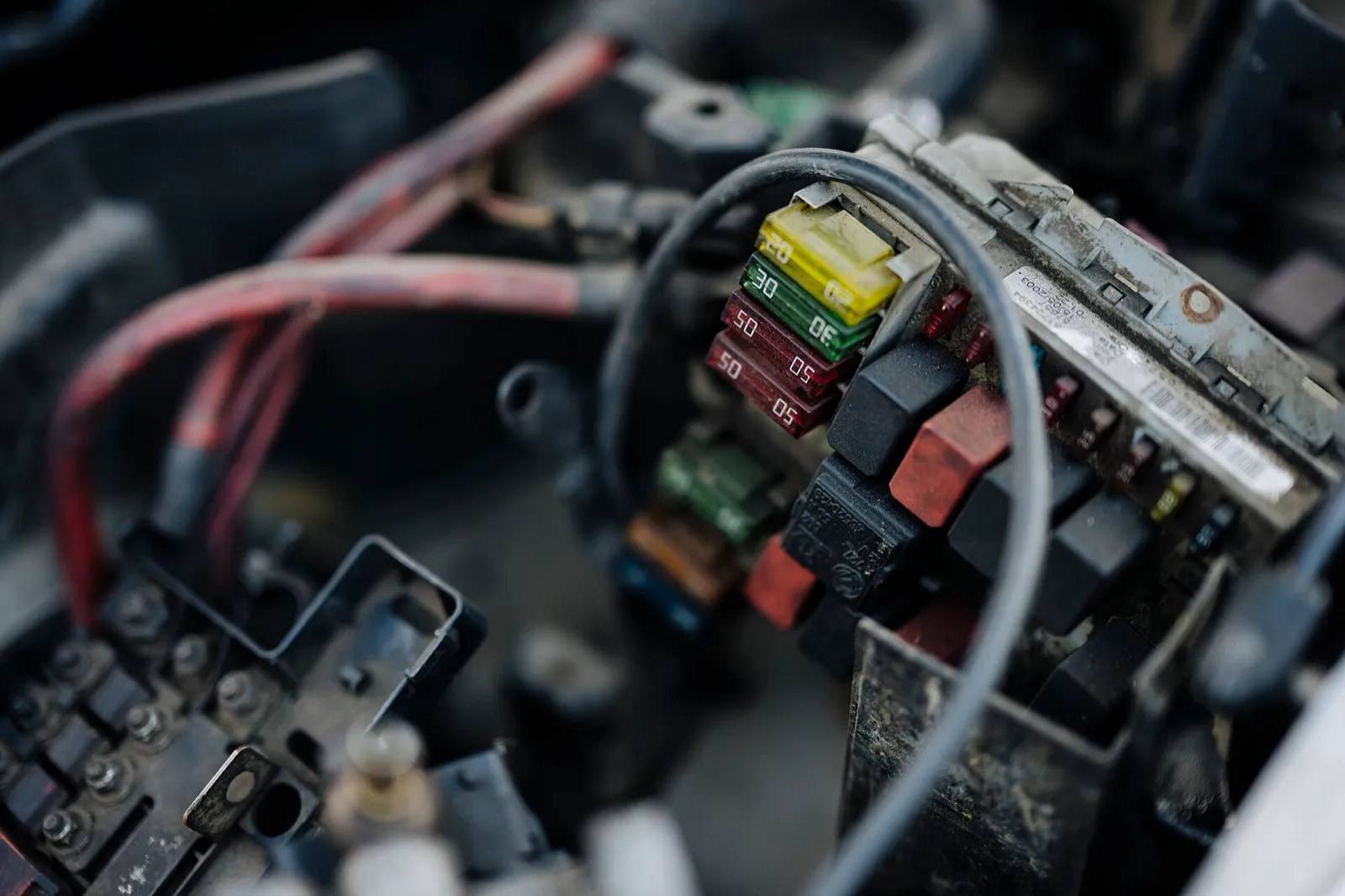
- Check the fuses and relays that feed the silent module. The owner’s manual maps both fuse boxes; many modules have two or three fuses — one always live, one switched by the ignition. A module with no power cannot talk, and a $2 fuse produces the same U-code as a $1,000 module. If a fuse has blown, replace it once; if it blows again, something downstream is shorted and that is the real fault.
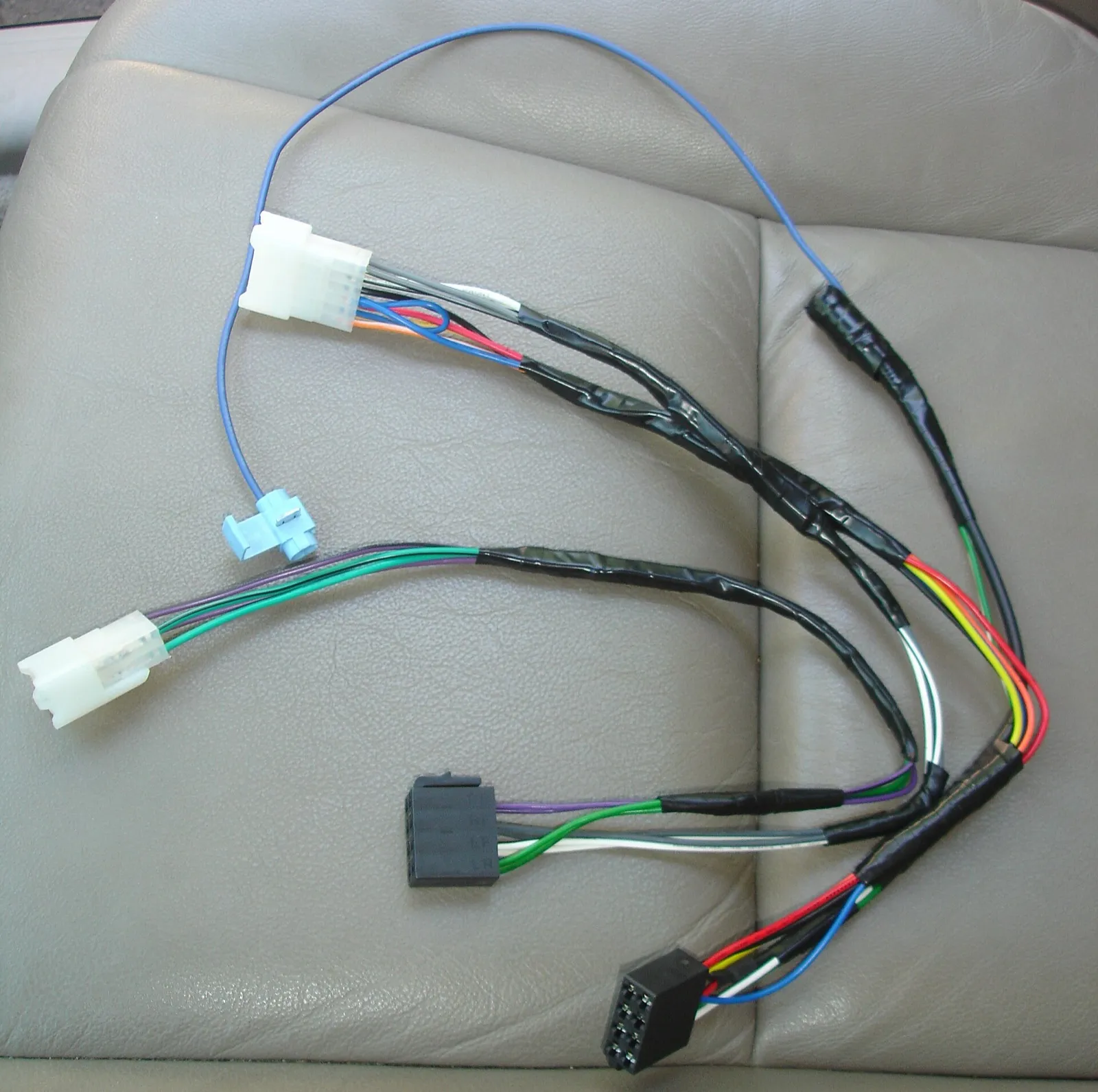
- Ask what was added to the car. An aftermarket stereo, a remote starter, an alarm, a GPS tracker, a hard-wired dash cam, trailer wiring, an insurance dongle or a cheap adapter left in the OBD2 port — anything spliced into the wiring or parked on the diagnostic connector can disturb the network or drain the battery overnight. Unplug what unplugs, and look for tap connectors and electrical tape behind the dash and under the seats. Water is the other intruder: a wet carpet, a leaking windshield or a blocked sunroof drain corrodes connectors and fuse boxes.
- Clear the codes and see which come back. This is the step that separates history from a live fault. Codes left over from one voltage dip stay away. A code that returns within a drive or two names a module that is still dropping out, and now you know exactly which wire to follow.

Past step five the work moves to a shop, and it helps to know what a competent one does next, because it is not “replace the module”. With the battery disconnected, a technician measures the resistance between pins 6 and 14 of the OBD2 connector — the two CAN wires. A healthy bus reads about 60 ohms, because a 120-ohm resistor sits at each end. About 120 ohms means one end of the bus is disconnected — a broken wire or an unplugged module; a reading near zero means the two wires are shorted together. Then comes the test that settles the module question: checking for battery voltage and a good ground at the silent module’s own connector. Only a module that has power, ground and an intact bus and still says nothing has earned a replacement.

Can I keep driving?#
It depends entirely on which module is offline and whether the car behaves differently. A stored code with a car that drives normally is information. A code with a symptom is a fault.
- Stop and have it towed: the engine stalls or cuts out (U0100); the steering goes heavy (U0131); the brake pedal feels different or a red brake lamp is on (U0129); the car will not select a gear (U0103). These modules can drop out again at the worst moment.
- Drive to the shop, gently, this week: the transmission is stuck in one gear (U0101); the ABS and traction lamps are on (U0121) — the brakes still work, but the wheels can lock on a wet road; the airbag lamp is on (U0151) — the car drives normally and may not protect you in a crash; the gauges are dead (U0155).
- Fine for now, but check the battery: lost communication with comfort modules — climate control, radio, seat or door modules — and any U-code that was stored once, on a car that drives normally, around a cold start or a jump.
One more thing for the US: if the check engine light is on because of a U-code, the car fails an OBD emissions inspection like it would for any other code, and clearing it the day before does not help — the readiness monitors reset and the car is rejected as “not ready”. We covered that trap in the guide to the ten most common check engine codes.
What it costs in the US in 2026#
The order of the checks is also the order of the bills:
| Fix | Typical cost | How often it is the answer |
|---|---|---|
| Clean and tighten terminals, clear codes | $0–20 | Often |
| New 12 V battery, installed | About $280–450 | Most often |
| Fuse or relay | $2–40 | Sometimes |
| Diagnosis at a shop | $122–233 | When the driveway checks find nothing |
| Connector or wiring repair | One to three hours of labor | Sometimes — more on older or water-damaged cars |
| Engine computer, replaced | $1,122–1,192 plus programming | Rarely |
Battery, diagnosis and engine-computer figures are RepairPal 2026 estimates: battery replacement runs from $279–302 on a Ford Explorer to $400–446 on a Chevrolet Silverado 1500; the engine-computer range is the national average, before taxes and programming.
The trap is the bottom row quoted first. A scan tool that prints “U0100 — lost communication with ECM” makes a new ECM look like the obvious repair, and it is the one line on the estimate that cannot be returned if the code comes back. Three questions protect you: what was the battery voltage while cranking; were power and ground tested at the module’s connector; did the code return after it was cleared? A shop that did the diagnosis has all three answers. A replacement module also has to be programmed to the car, and a used one from a salvage yard may be locked to the car it came from — ask about that before agreeing to it. More on reading an estimate line by line in how to tell whether a mechanic is overcharging you.
What a $25 adapter can and cannot see#
An honest scope note, because U-codes are where generic tools meet their limit. The standard OBD2 protocol — the one a Bluetooth adapter and a phone app speak — is answered by the emissions-related computers: the engine and, on most cars, the transmission. Those two store plenty of U-codes, since they are the ones listening for the ABS, the body computer and each other; a check engine light caused by a network fault is almost always readable this way. What a generic adapter cannot do is open the ABS, airbag or body module and read the codes kept only there, and it has no dictionary for manufacturer-specific U1xxx and U2xxx codes. For those you need a scan tool that speaks the brand’s own protocol, which is what a shop’s diagnostic fee buys.
Within that scope the phone does the two things that matter for a U-code. First, it shows the three memories — stored, pending and permanent — so you can tell a confirmed fault from one seen once. Second, it clears the codes for step five, and Brimly writes each clear into the car’s history together with the codes it removed, which turns “I think it was the same one” into a record: cleared on the 3rd after the jump start, U0121 back on the 9th, U0100 never again. That record is also what makes a shop visit short. Setup, adapters that work with an iPhone and the ones that never will are in how to use an OBD2 scanner with an iPhone.
And since the battery is the usual culprit: it is a wear item with a predictable life, four to six years, shorter where summers are hot. Write the install date down and have it load-tested each fall — the maintenance-by-mileage checklist lists it with the other by-condition items — and the next time the dash lights up after a cold night, the first question already has an answer.
Frequently asked questions#
What does a U-code mean on a car?
U-codes are network codes: one of the car’s computers reporting a problem talking to another. The most common kind, U01xx “lost communication”, means the module that stored the code stopped hearing the module named in it — U0100 the engine computer, U0101 the transmission computer, U0121 the ABS module. It describes a silence on the network, not a failed part.
Can a weak battery cause U0100 and other U-codes?
Yes, and it is the most common cause. When voltage sags during a cold start, or after a jump start or a battery swap, a module can reset for a fraction of a second; the others notice it missing and store lost-communication codes. Several U-codes that appeared at the same moment across different modules almost always point to the battery, its terminals or a ground — not to several failed computers.
Can I drive with a U0100 code?
If the engine runs normally and the code was stored once, you can drive to where you will check the battery. If the engine stalls, cuts out or will not start, do not drive — an engine computer that drops off the network on the highway takes the engine with it. The same rule applies to U0121, U0129 and U0131: ABS, brake control and power steering are not systems to gamble on.
Will a U-code clear itself?
Often. If the cause was a one-off voltage dip, the fault does not repeat, the warning lamp goes out after a few clean drives and the stored code ages out — on the emissions side after about 40 warm-up cycles. A code that returns right after you clear it is a current fault with a real cause: a fuse, a connector, wiring or the module itself.
Why did U-codes appear after I replaced the battery or jump-started the car?
Because the modules lost power or saw a voltage spike and came back up at different times, each logging the others as missing for a moment. Clear the codes and drive: if they stay away, that was all it was. Some cars also need the new battery registered with a scan tool so the charging system treats it correctly.
Does a U0100 code mean I need a new engine computer?
Rarely. A control module is the last thing to suspect and the most expensive to guess at — RepairPal’s 2026 average for an engine computer replacement is $1,122–$1,192 before programming. Before any module is quoted, the battery, the module’s fuses, its power and ground at the connector, and the network wiring to it should have been tested, and you can ask to see those results.
Can a Bluetooth OBD2 adapter read U-codes?
It reads the U-codes that the engine and transmission computers store, because those answer the standard OBD2 protocol — which covers most cases where the check engine light is on. U-codes kept only inside the ABS, airbag or body module, and manufacturer-specific U1xxx codes, need a scan tool that speaks that brand’s own protocol.
What is the difference between U0100 and U0101?
The module that went silent. U0100 is lost communication with the engine computer (ECM/PCM), U0101 with the transmission computer (TCM). The causes and the checks are the same — battery, fuses, connector, wiring, and only then the module — but the symptoms differ: U0100 can stall the engine, U0101 usually leaves the transmission stuck in one gear.
The takeaway#
A U-code is a report of silence, not a diagnosis. Read which module went quiet and which one noticed; count how many codes appeared together; then work up the price list from the bottom — battery and terminals, fuses, whatever was added to the wiring, and a clear to see what returns. Stop driving when the silent module is the engine, the brakes or the steering and the car feels different. And when an estimate opens with a control module, ask for the three numbers that justify it. Most of the time the repair is the battery the car was already asking for.
Was this article helpful?
Comments
No comments yet. Ask a question or share how it went with your car.
Couldn't load comments.