Two Ladas and three Chinese crossovers — and every one of them has a short list of documented weak points. The timing belt on the 16-valve Granta is the only item here that turns into a rebuild when it is skipped; the early 1.8 in the Vesta drinks oil; the Jolion's wet dual-clutch jerks at walking pace by design rather than by fault; and both Cherys live exactly as long as their CVT fluid does. The table below gives the mileage where each fault usually shows up, whether you can keep driving, and what actually fixes it.

.jpg)
Russia's sales charts look nothing like America's or Europe's: the top five is two Ladas and three Chinese newcomers — the Lada Granta, Lada Vesta, Haval Jolion, Chery Tiggo 4 Pro and Chery Tiggo 7 Pro Max. Each has its own well-documented weak points, and knowing them in advance is worth real money: most are cheap to fix early and expensive to ignore. This guide is based on the verified vehicle knowledge base we maintain for the Brimly app — the same data that powers its smart reminders and AI assistant.
For each car you'll find the typical symptoms, the mileage window where trouble usually starts, and what actually fixes it.
The five at a glance#
- Lada Granta (2011+): the timing belt is not optional
- Lada Vesta (2015+): watch the 1.8's oil and be kind to the CVT
- Haval Jolion (2021+): the dual-clutch takes some getting used to
- Chery Tiggo 4 Pro (2020+): the CVT lives and dies by its fluid
- Chery Tiggo 7 Pro Max (2020+): same CVT rule, plus the A/C compressor
The whole article in one table — the headline fault of each car, when it usually shows up, and what actually keeps it away.
| Model | Headline fault | When it shows up | Keep driving? | What fixes it |
|---|---|---|---|---|
| Lada Granta | Snapped timing belt bends the valves on the 16-valve engines | belt interval 45,000–60,000 km | No, if the belt is noisy or wandering sideways | Belt with rollers and tensioner, strictly on interval |
| Lada Vesta | Oil consumption on the early 1.8 (21179) — up to a litre per 1,000 km | early engines, at any mileage | Yes, with the dipstick in hand | Check monthly and top up; heavy use means piston work |
| Haval Jolion | Jerky 7-speed wet dual-clutch in traffic | from the first thousand kilometres | Yes — it is a trait, not a failure | Dealer gearbox software plus DCT fluid on schedule |
| Chery Tiggo 4 Pro | The CVT does not forgive old fluid | trouble can start by 50,000 km | Yes, driven smoothly and without wheelspin | Fluid with the fine filter every 35,000–40,000 km |
| Chery Tiggo 7 Pro Max | The same CVT rule, plus the A/C compressor | compressor window 40,000–80,000 km | Yes; weak cooling means the shop today | Fluid every 40,000 km; never postpone a failing compressor |
The mileages are where owners and workshops see each fault cluster, not a guarantee: a well-serviced car goes much further, and a neglected one gets there sooner.
Lada Granta (2011+): the timing belt is not optional#
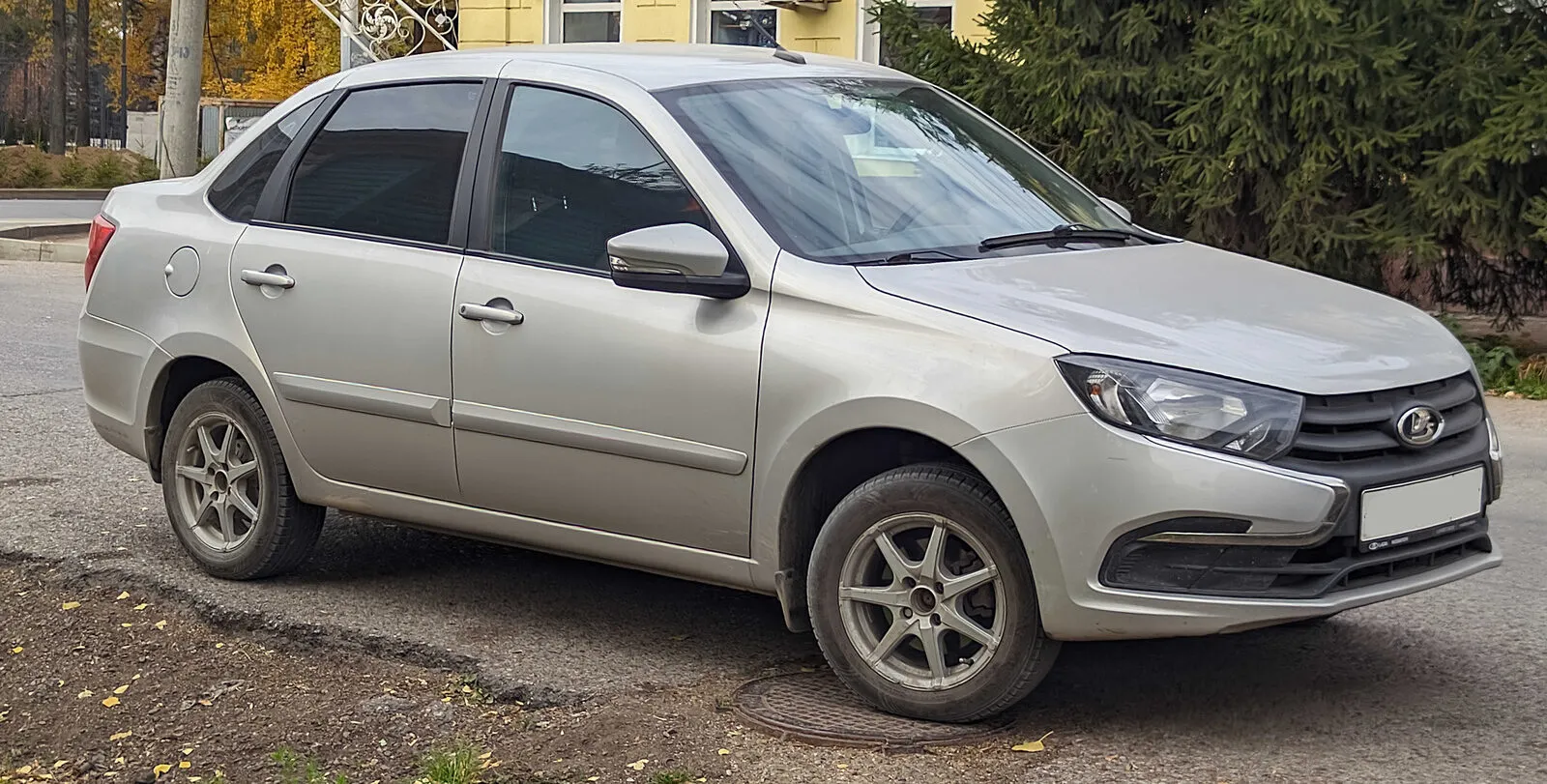

Timing belt failure — bent valves on interference engines
The Granta's one genuinely destructive weakness. On the 16-valve engines (and the older 8v 21116) a snapped or slipped timing belt lets the pistons strike the valves — a major engine repair. Belts here can also drift toward the pulley edge or shed teeth. The fix: replace the belt with its tensioner and idler rollers every 45,000–60,000 km (30,000–40,000 miles), no exceptions, and have a sideways-walking belt corrected. One consolation on the facelift: the 8v 11182 engine got non-interference pistons, so a broken belt just stops the engine — but on the 16v 21127 the interval remains non-negotiable.
Ignition coils, thermostat, and the AMT
From around 60,000 km, treat individual ignition coils and the thermostat as wear items: a single misfiring coil is a cheap, common fix, and a thermostat stuck open (the engine never warms up) or closed should go promptly. The robotized AMT gearbox shifts jerkily and wears its clutch and actuator; the fix is keeping its firmware updated, holding the car on the brake (not the clutch) on hills — and, if smoothness matters, choosing the plain 5-speed manual, which is the robust option. Budget also for thin paint: touch up stone chips early and treat the wheel arches and sills, especially where roads are salted.
Lada Vesta (2015+): watch the 1.8's oil and be kind to the CVT#
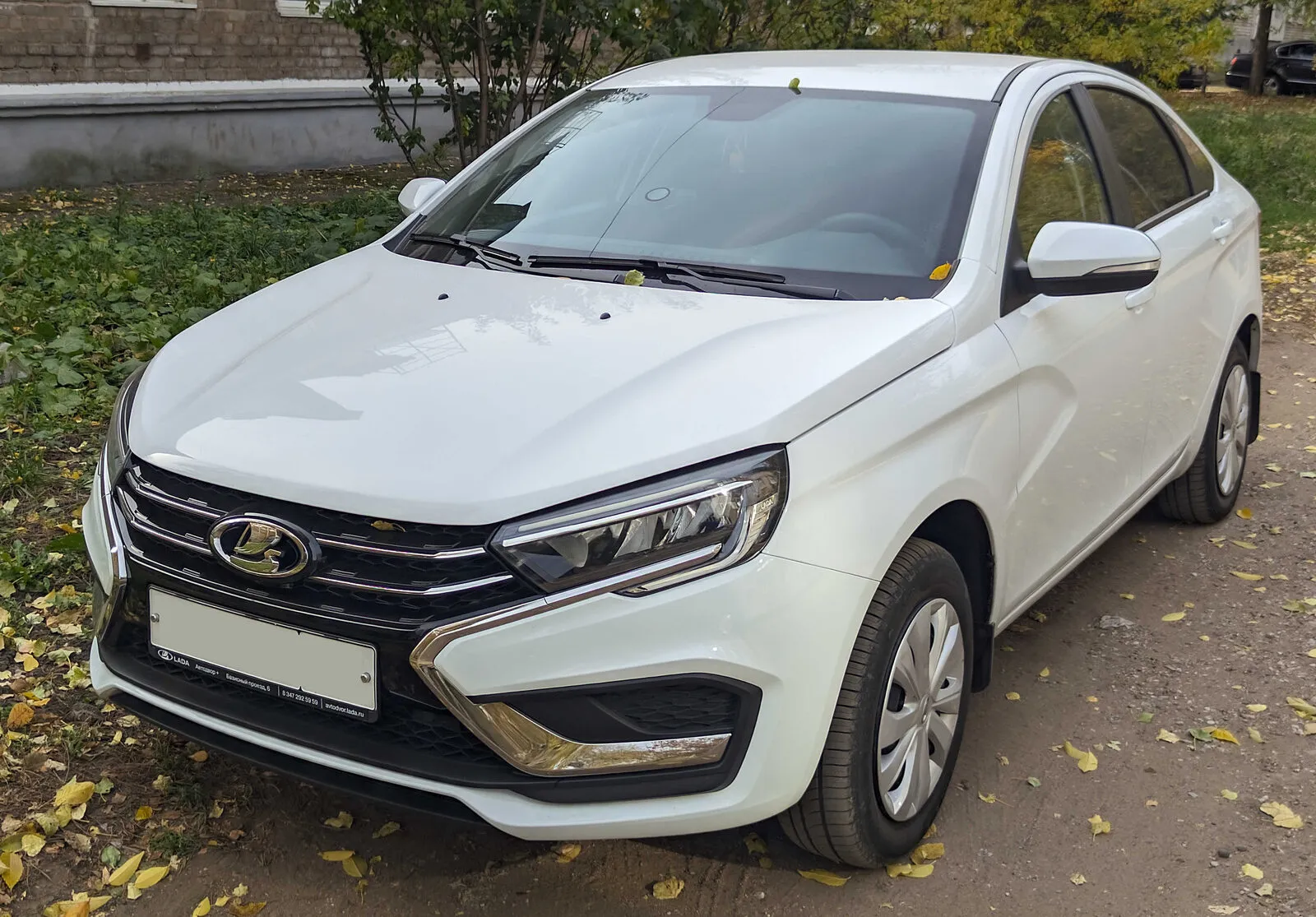

1.8 (21179) oil consumption
Early 1.8 engines could burn a litre of oil per 1,000 km. AvtoVAZ revised the pistons, valve guides and calibration over several updates and moved the recommendation to 5W-40, which greatly reduced consumption — the current NG cars are far better — but older engines can still drink. The fix: check the dipstick regularly and top up; a heavy consumer at high mileage may need piston-ring work. On any Vesta 1.8, the oil-check habit is the cheapest insurance there is.
AMT (pre-2020) and the Jatco CVT (2019+)
Early robotized-AMT cars shift jerkily and can wear the clutch within tens of thousands of kilometres; firmware updates and a reinforced clutch pack help, but the real fix was AvtoVAZ swapping the AMT for the Jatco CVT in late 2019. The CVT itself is reliable when treated gently — its enemies are overheating, old fluid, hard launches, towing and wheelspin. The fix: change the CVT fluid about every 60,000 km (sooner in hot climates), warm the car up before driving hard, and skip the towing. Suspension-wise, expect anti-roll-bar links, ball joints and bushings to knock from about 40,000 km on rough roads — they're inexpensive and best replaced before they take anything else with them.
Haval Jolion (2021+): the dual-clutch takes some getting used to#
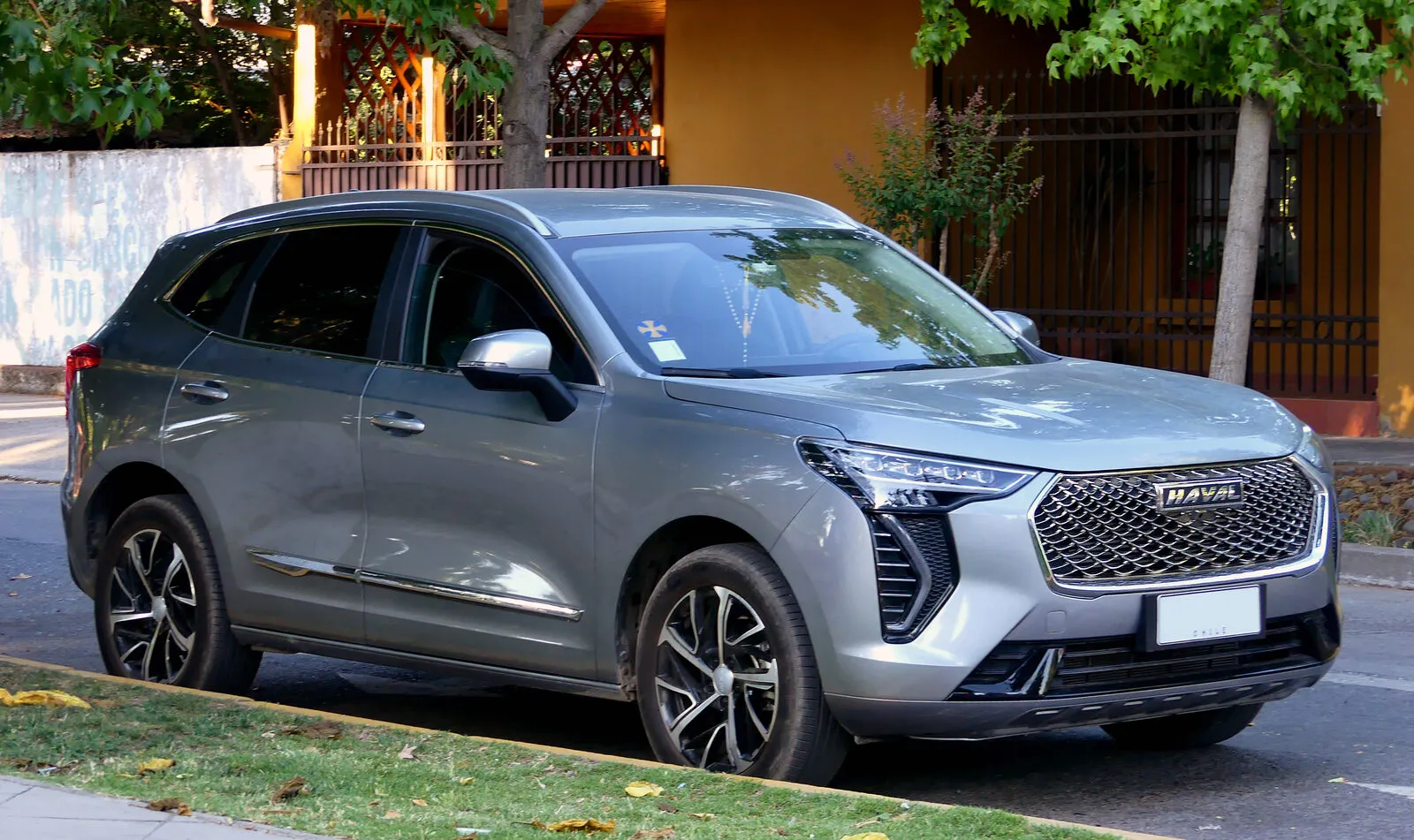

The Jolion's 7-speed wet dual-clutch is jerky and hesitant at crawling speeds — largely a trait of the design rather than a defect. The fix: keep the transmission software updated at the dealer and change the DCT fluid on schedule; have it checked if the jerking comes with warning lights, slipping or overheating messages. The other common complaints are electronic: touchscreen lag, spontaneous reboots, a rear camera that drops out, spurious warnings — mostly cured by a head-unit update or reset. Note the exact conditions that trigger a glitch so the dealer can reproduce and reflash it. Cabin squeaks and isolated water-ingress reports around windshield and door seals are warranty items — have seals checked early rather than living with damp carpet.
Chery Tiggo 4 Pro (2020+): the CVT lives and dies by its fluid#


The Tiggo 4 Pro's CVT dislikes hard launches, sustained high-speed cruising and wheelspin — and trouble can begin around 50,000 km, with a replacement unit costing serious money. The fix: drive gently and change the CVT fluid with the fine filter roughly every 35,000–40,000 km — earlier than the nominal interval. It's the single biggest factor in how long this transmission lasts. Two smaller quirks: headlight bulbs burn out early (carry spares) and a rear-view camera that cuts out repeatedly deserves a warranty wiring check, not acceptance. Steering tie-rod ends also wear early — an inexpensive part worth checking at every service.
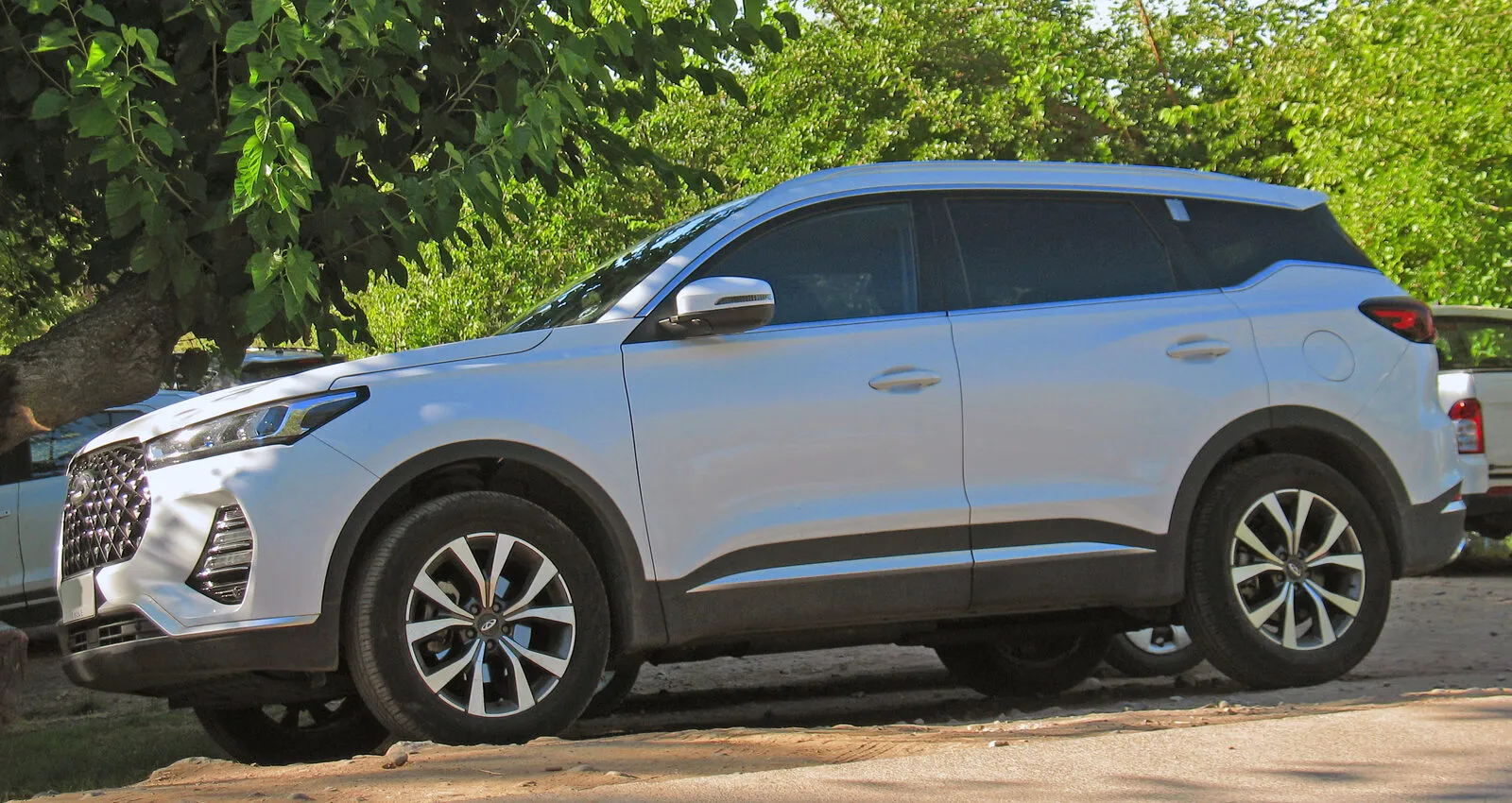
Chery Tiggo 7 Pro Max (2020+): same CVT rule, plus the A/C compressor#
.jpg)
The bigger Tiggo shares the philosophy: its CVT25 is intolerant of dirty fluid, with the oil pump and pressure-reduction valve as known weak points. The fix: fluid and fine filter about every 40,000 km, gentle starts, no sustained wheelspin — the 1.5T engine itself is well regarded. The model's own signature issue is the air-conditioning compressor, which can fail or fade in the 40,000–80,000 km window; address weak cooling early, before a dying compressor sheds debris into the rest of the circuit and turns a component swap into a full-system repair. As on the Tiggo 4, check the steering tie-rod ends at each service.
Frequently asked questions#
What is the best-selling car in Russia?
The Lada Granta has held first place for years, with the Lada Vesta behind it. Among imported brands the Haval Jolion leads, followed by the Chery Tiggo 4 Pro and Tiggo 7 Pro Max — which is why these five make up this list.
Are Chinese crossovers more expensive to run than a Lada?
On consumables they are comparable — filters, pads and oil cost roughly the same. The difference is in the big assemblies: a CVT or an air-conditioning compressor costs far more than the equivalent part on a Granta, which is why fluid discipline matters more on the Chinese cars, not less.
Which problem on this list is the most expensive to ignore?
The timing belt on the 16-valve Granta. The belt itself costs almost nothing, but when it snaps or jumps a tooth the pistons meet the valves and the bill becomes a cylinder head and a rebuild. The 8-valve 11182 in the facelift has non-interference pistons and simply stops — the 16-valve 21127 does not.
How often should the CVT fluid be changed on a Tiggo or a Vesta?
In practice every 35,000–40,000 km, together with the fine filter — earlier than the nominal schedule. Heat, traffic and towing shorten it further. Clean fluid is the single factor that decides how long these gearboxes last.
Is the Jolion's dual-clutch defective?
No. The hesitation and small jerks of a seven-speed wet dual-clutch at walking pace are inherent to the design, and the current gearbox software smooths them. What is not normal: fault codes, a slipping clutch, an overheat message or a burning smell — that is a diagnostic appointment, not a character trait.
Is the Granta worth buying with the AMT robotised gearbox?
Only if you accept its manners. The AMT is a single-clutch automated manual: it pauses between shifts and wears its clutch faster in city traffic. Keep the software current and hold the car on the brake rather than the clutch on hills. If smoothness matters, the plain five-speed manual is the most reliable choice in the range.
How to stay ahead of all of this#
Three habits cover most of this list. First, respect the fluid intervals — the timing belt on a Granta and the CVT fluid on a Vesta or either Tiggo are the difference between routine maintenance and a four-figure repair. Second, check the oil level monthly on a Vesta 1.8 — and on any engine, really. Third, read fault codes the moment a light comes on: a cheap OBD-II adapter names the problem in a minute, before it cascades.
A fuel log helps more than most people expect: creeping consumption is often the first symptom of a mechanical problem. Brimly computes your real consumption automatically between full tanks, knows the service schedule and documented weak points for your exact engine, and reminds you before the typical failure window. And if you're planning a trip in the meantime, our free trip cost calculator works with your real numbers, not the brochure figure.